Private Pilot Maneuvers · Takeoffs And Landings

Short-Field And Soft-Field Takeoffs And Landings

A short-field landing puts the airplane down within 200 feet beyond a point you name, with minimum float. A soft-field landing touches down as slowly as you can manage, nosewheel held off. Both are tasks in the Private Pilot ACS, each paired with a matching takeoff, and the ACS sets the numbers your examiner uses.

8,001 ftRunway 16R/34L at Van Nuys
4,000 ftRunway 16L/34R at Van Nuys
4ACS tasks: two takeoffs, two landings
$349Two-hour first lesson, all-in
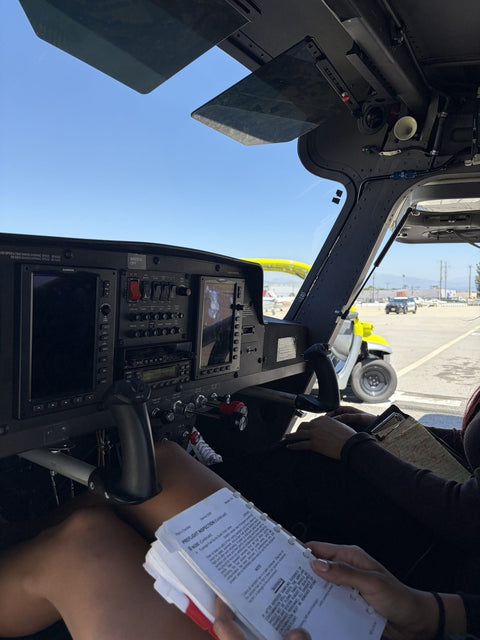
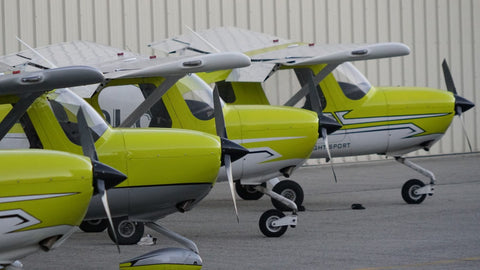
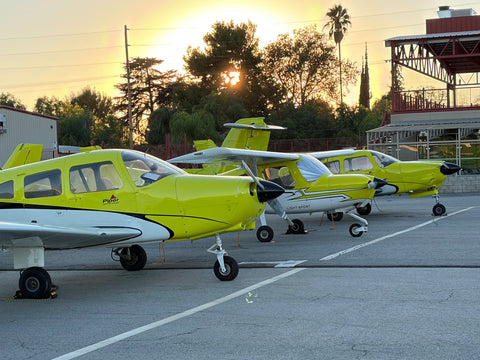
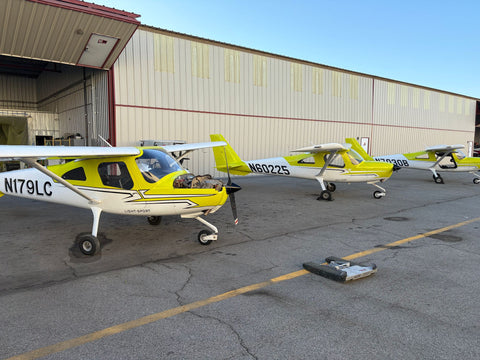
Four Cessna 162 Skycatcher trainers parked in a row on the ramp at Van Nuys Airport

The four tasks sit in Area IV of the Private Pilot Airman Certification Standards, FAA-S-ACS-6C, effective May 31, 2024: IV-C and IV-D for soft fields, IV-E and IV-F for short ones. They belong to the larger set of private pilot maneuvers you fly before the checkride, and they are the ones where every number comes from the airplane's own POH rather than a rulebook.

We fly them from Van Nuys Airport, where the longer runway is 8,001 feet. Nobody runs out of runway here, so the whole skill is putting the wheels on a spot you chose in advance.

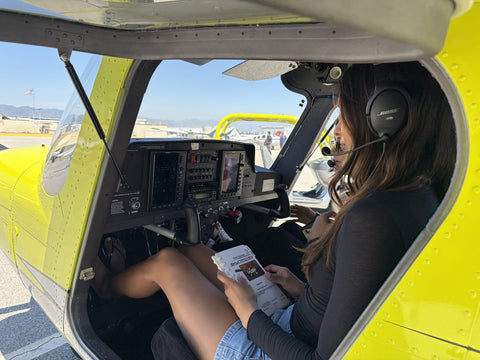
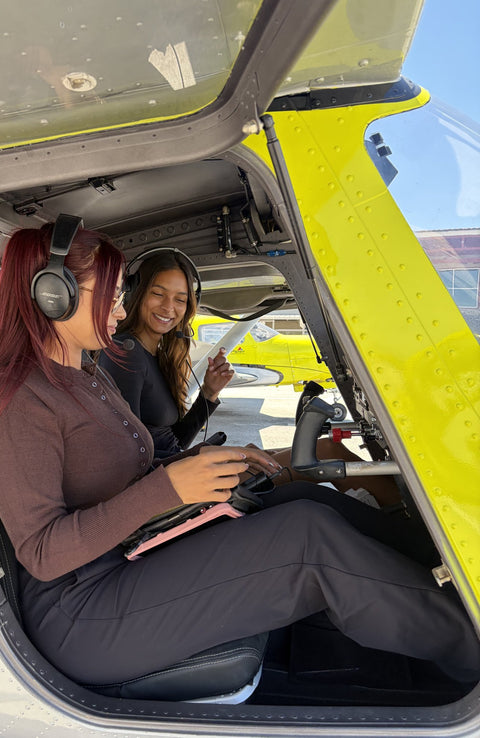
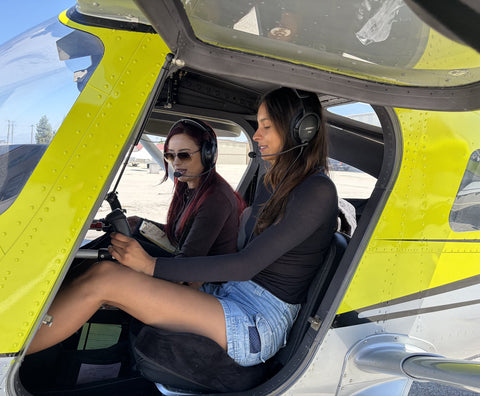
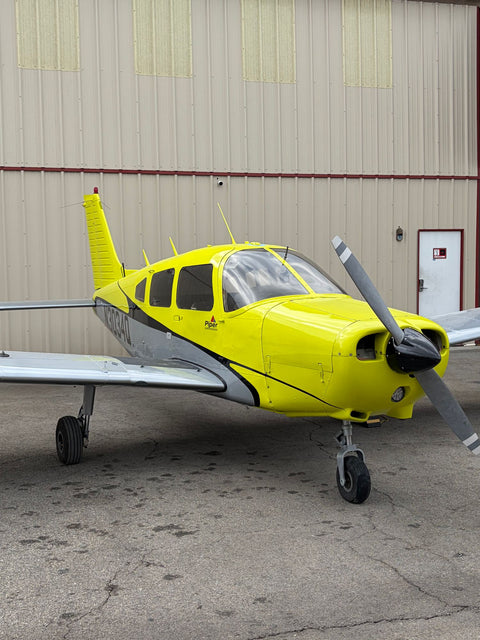
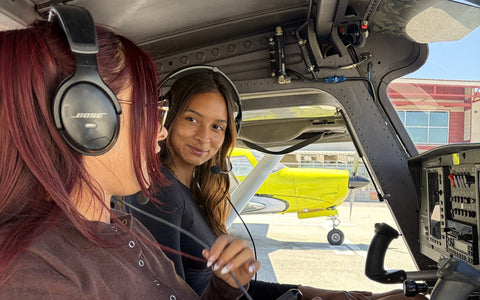
Instructor and student checking the propeller of a yellow Piper trainer on the ramp
200 ftShort-Field TouchdownWithin 200 feet beyond or on the point you name, ACS task IV-F
+10/-5Airspeed WindowKnots, on the climb and approach speeds in all four tasks
1.3 VsoApproach Speed CeilingThe most you may fly when the POH publishes no approach speed
50 ftObstacle HeightHold Vx or the obstacle speed to 50 feet when the obstacle is simulated

Why The Checkride Has Two Special Takeoffs And Two Special Landings

A normal takeoff and landing assume a long, hard, clear runway. Plenty of airports offer less. A short runway with trees off the end calls for a takeoff that gains the most height over the least ground, and an approach that ends with no float and firm braking. Grass, mud or snow asks for a different trade: get the weight onto the wings early and keep the nosewheel out of the surface.

The FAA does not wait for the checkride. Under 14 CFR 61.93(e)(10), your instructor must train you in short-field, soft-field and crosswind takeoffs, approaches and landings before your first solo cross-country, and 61.93(e)(11) adds climbs at best angle and best rate.

The tolerances are tight. A short-field landing must touch down within 200 feet beyond or on the specified point. Every climb and approach speed in the four tasks carries a window of +10/-5 knots. When the manufacturer publishes no approach speed, the ceiling is 1.3 Vso, which is 1.3 times the stall speed in landing configuration. The full tables are in our Private Pilot ACS guide.

The Short-Field Takeoff And Maximum Performance Climb

Two speeds run this takeoff. Vx, the best angle of climb speed, gives the greatest gain in altitude over a given distance across the ground. Vy, the best rate of climb speed, gives the greatest gain in a given time. Over an obstacle you want angle. Once clear, you want rate.

Task IV-E runs like this. Line up on the centerline using the maximum takeoff area available, with the flaps the manufacturer recommends. Hold the brakes while you set power and confirm takeoff power before you release them. Lift off at the recommended speed and climb at the obstacle clearance speed, or Vx, within +10/-5 knots until the obstacle is behind you, or to 50 feet if it is imaginary. Then pitch for Vy and clean up once you have a positive rate of climb.

The Airplane Flying Handbook (FAA-H-8083-3C, chapter 6) adds two cautions. Some pilots hold the brakes until the engine reaches maximum rpm, but the handbook says it "has not been established" that this shortens the run in all light single-engine airplanes. And raise the flaps in increments, because a sudden loss of lift this close to the ground lets the airplane settle.

The Vx window is lopsided: 10 knots on the fast side, 5 on the slow side. The slow side is where the stall lives.

Wind matters as much as length. The Pilot's Handbook of Aeronautical Knowledge (FAA-H-8083-25C, chapter 11) estimates that a headwind of 10 percent of takeoff airspeed cuts takeoff distance by about 19 percent, and a tailwind of the same size adds about 21 percent. The AFH also asks you to pick a point on the runway where you should be airborne, and to stop the takeoff if you are not.

Not training yet? A two-hour first lesson is $349, all-in, from the same ramp.

The Short-Field Approach And Landing

Task IV-F asks for a stabilized approach at the published approach speed or, if there is none, no more than 1.3 Vso, within +10/-5 knots with the gust factor applied. Touchdown must come within 200 feet beyond or on the specified point, with no side drift, minimum float, and the airplane aligned with and over the centerline. You are within 30 percent of the stall speed in landing configuration, so the feel you build in slow flight and stall practice carries straight over.

Step 1 of 4

Fly A Stabilized Final At The Book Speed

Configure early. The AFH calls for full flaps at an appropriate point on final and the POH procedures for the rest. In gusty air, add no more than one-half the gust factor. Extra knots show up later as float.

Step 2 of 4

Aim At The Point, Not Past It

Choose the touchdown point with the wind, the surface and any obstacle in mind. When an obstacle is present, a slightly steeper approach angle puts the touchdown closer to it.

Step 3 of 4

Touch Down With Little Or No Float

The handbook wants touchdown at minimum controllable airspeed. Little or no float in the flare tells you the approach speed was right, and a 200-foot box does not last long at landing speed.

Step 4 of 4

Brake Firmly And Hold The Back Pressure

Once the nosewheel is down, the AFH calls for maximum braking with back pressure held. The ACS defers to the manufacturer's recommended configuration and braking, so the POH has the final word.

The Soft-Field Takeoff

On grass, mud or snow the surface holds the airplane back. The PHAK says any surface that is not hard and smooth increases the ground roll. Task IV-C is built around getting weight off the wheels. Taxi onto the runway and line up without stopping, advancing the throttle smoothly to takeoff power, because stopping on mud or snow, the AFH warns, might bog the airplane down.

Hold back-elevator pressure to raise the nose. The ACS asks for a pitch attitude that "transfers the weight of the airplane from the wheels to the wings as rapidly as possible." Hold it, and in the handbook's words the airplane "virtually flies itself off the ground."

Then comes the part that feels wrong. Lower the nose gently, wheels just clear of the runway, and accelerate in ground effect. The AFH describes ground effect as improved performance close to the surface, normally up to a height of one wingspan, and warns that an airplane leaving it too slowly can settle back even with full power. Stay in it until at least Vx, then climb at Vx or Vy, within +10/-5 knots.

Expect to need right rudder. Nose high at full power, the airplane wants to swing left, which is why the ACS lists left-turning tendencies as knowledge for this task.

Planning a grass strip, a mountain airport or an island? Book a free consultation at Van Nuys. It takes about half an hour, costs nothing, and you leave with a plan and real numbers. Bring your logbook if you have one.

The Soft-Field Approach And Landing

Task IV-D uses the same approach speed rule as the short-field landing. The difference is at the bottom: touch down at the lowest possible airspeed in a nose-high attitude, with minimum sink rate and no side drift.

Power is the tool. The AFH has you carry some power through the level-off and touchdown, and a slight addition of power helps ease the nosewheel down. It recommends flaps whenever practical, because they let you touch down slower.

After touchdown, hold the nosewheel off until the elevator runs out of authority; the ACS wording is "until loss of elevator effectiveness." Leave the brakes alone. The handbook says brakes on a soft field should be avoided, since they can cause the nosewheel to dig in, and on very soft ground you may need more power just to keep moving.

The standard describes what the airplane does rather than what the runway is made of, so the technique can be flown on a paved runway as well as a soft one.

The Airplanes You Practice Them In

Every speed and flap setting in these tasks comes from the POH of the airplane you fly, which is why none are printed here. Our private pilot students split about evenly across three trainers, according to our 2023–2026 student cost study.
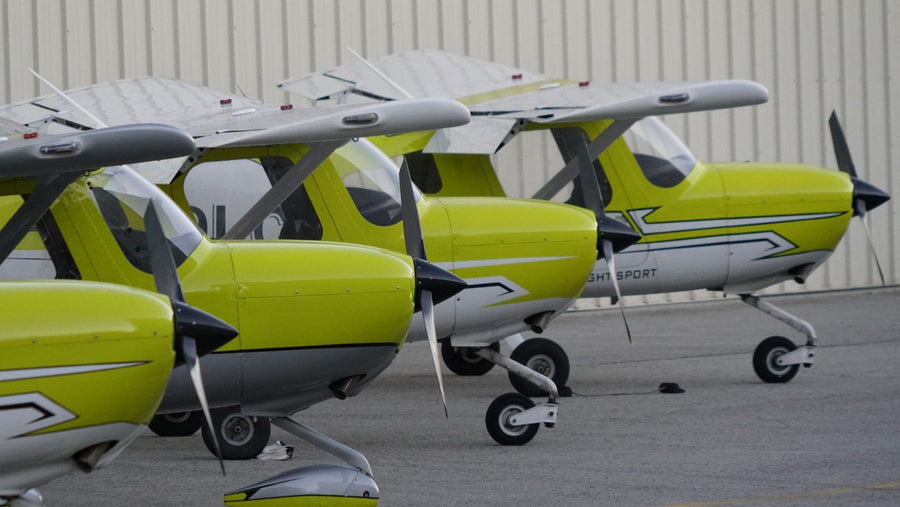
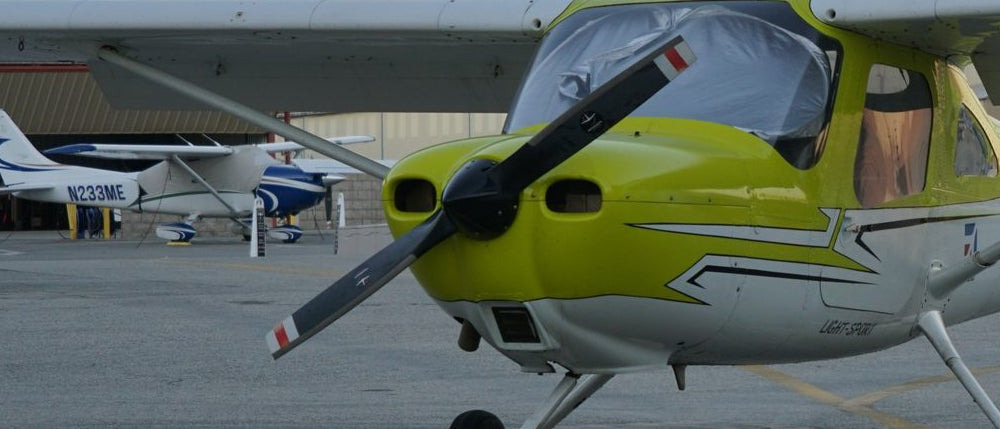
Noses and propellers of Cessna 162 Skycatcher trainers lined up outside a hangar at Van Nuys

The Cessna 162 Skycatcher

Six of them, N60225, N7030B, N6039M, N179LC, N5208V and N52049. Two seats, a high wing, a 100 hp Continental and a Garmin G300 glass panel; $179 an hour in a package, $269 retail. Specs are on our Cessna 162 guide.
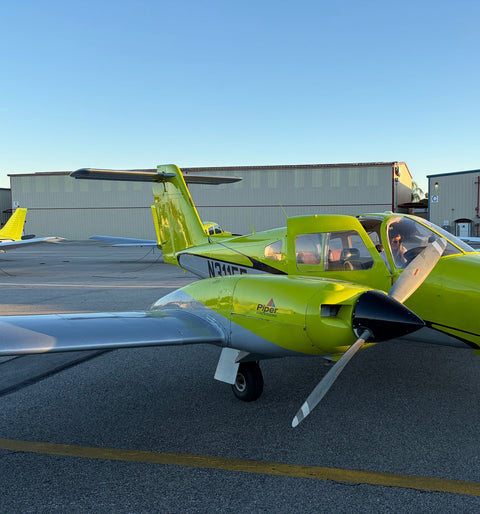
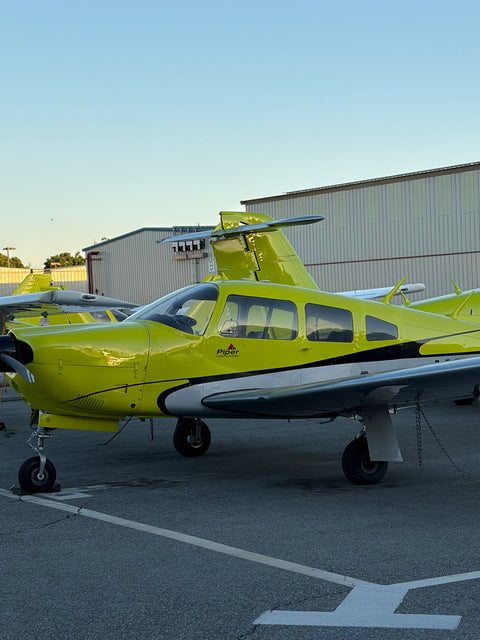
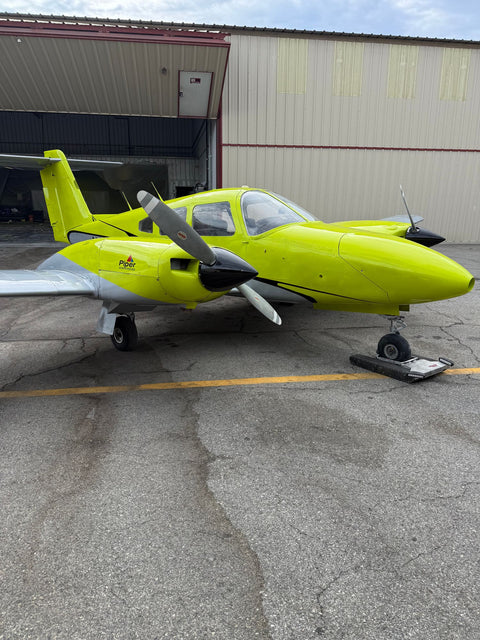
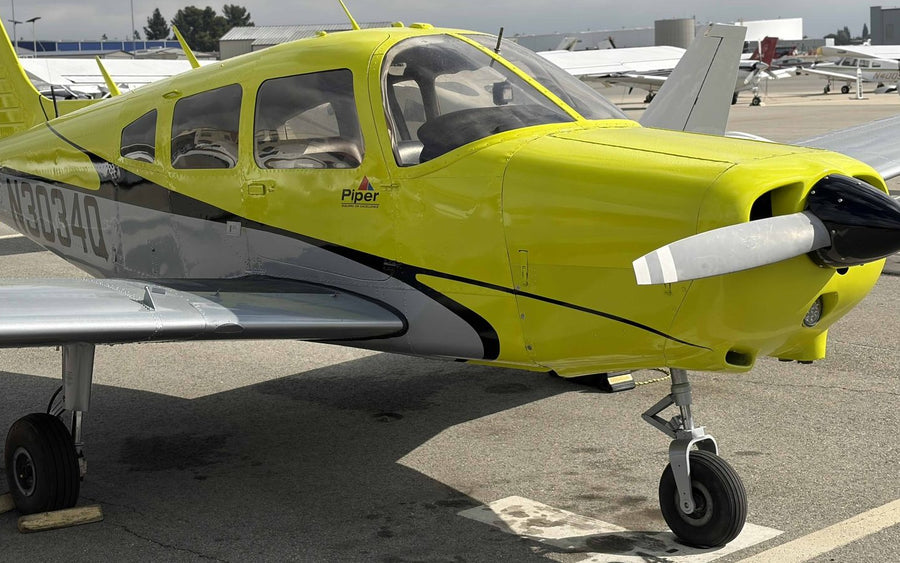
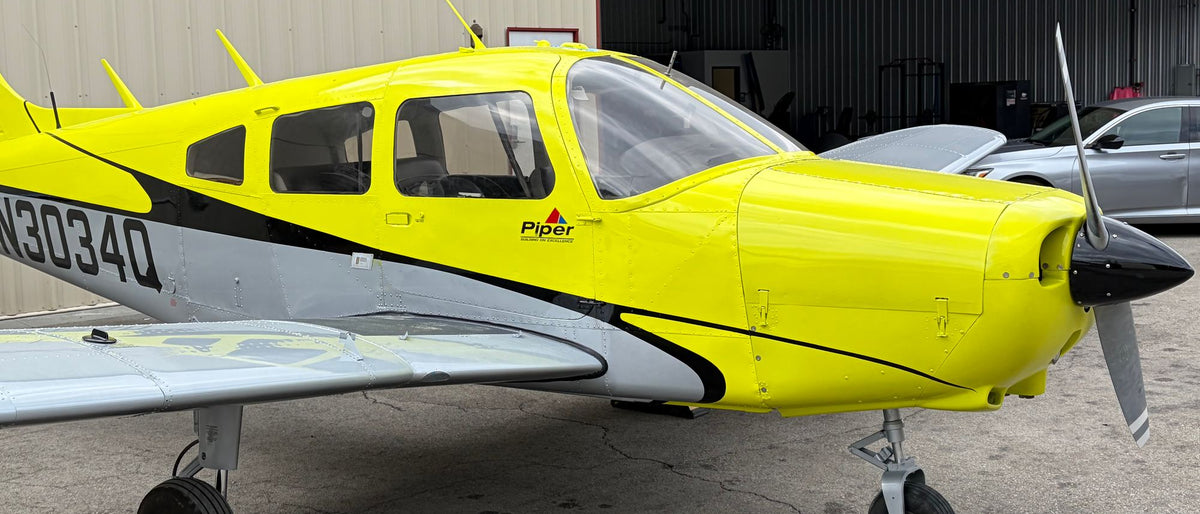
Yellow Piper Warrior N3034Q parked on the Van Nuys ramp under a cloudy sky

The Piper Warrior

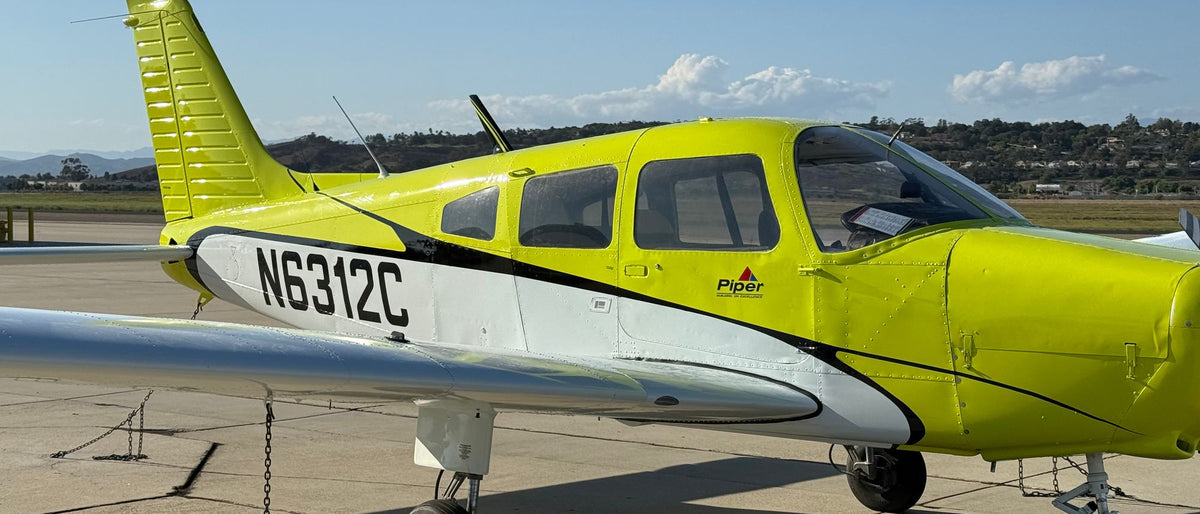
N3034Q and N6312C: four seats, a low wing, 160 hp and an IFR-equipped panel, at the same rates. The back seats let it fly the two-hour lesson for two at $449. More on our Piper Warrior guide.

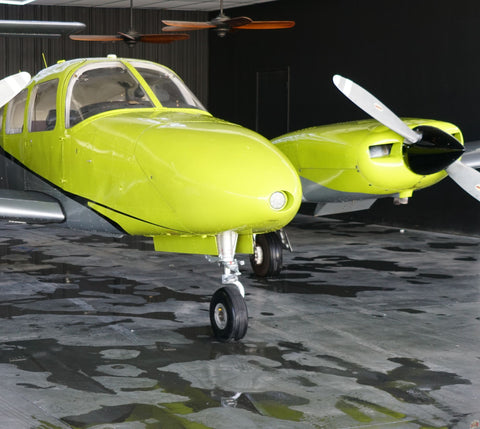
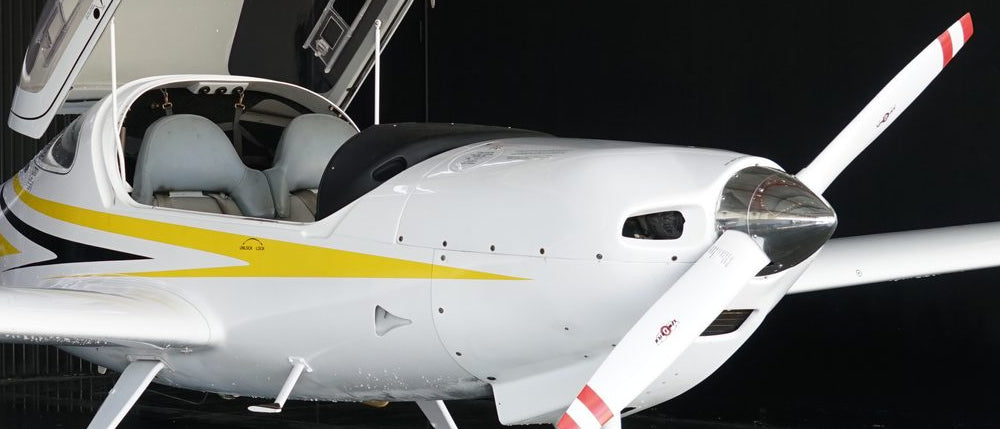
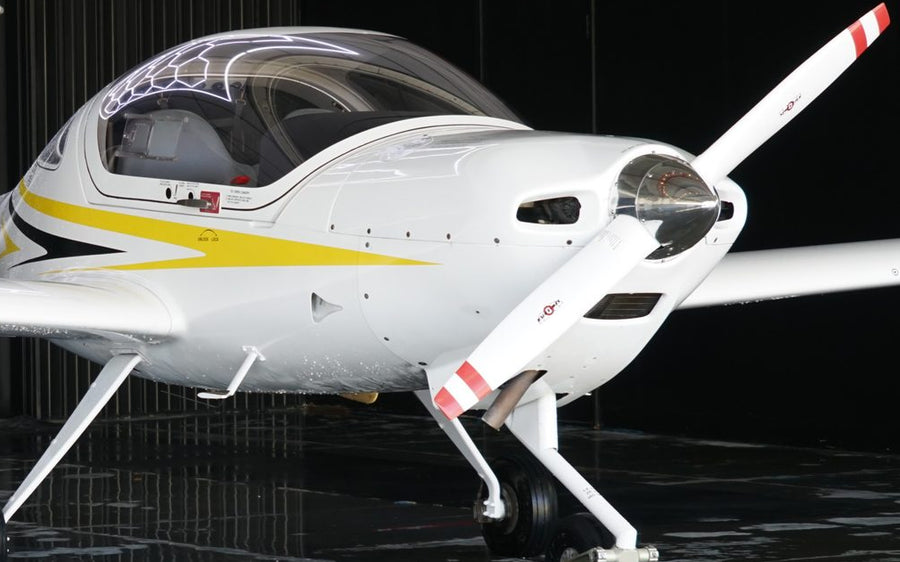
Diamond DA20-C1 trainer in the hangar, bubble canopy and propeller seen from the front

The Diamond DA20-C1

N306EF and N308EF: two seats, a low wing, a control stick and a bubble canopy. It is utility category and our spin-training airplane; $229 in a package, $329 retail, or a two-hour lesson for $549. More on our DA20-C1 guide.

Practice Them At Van Nuys

Book A Lesson Or A First Flight

Two-hour lessons from $349 and a 60-minute discovery flight at $229, both credited in full toward training if you enroll within 24 hours. Free rescheduling up to 24 hours before.

Piper Warrior N3034Q, front quarter, beside an open hangar at Van Nuys Airport
PIPER WARRIOR · 160 HP · LOW WING
The Classic 60–120 Min

Discovery Flight For One

Credited in full toward your training if you enroll within 24 hours.

One seat, one instructor, no audience. You take the controls once we are clear of the Van Nuys pattern, and your instructor signs the time into your logbook if you bring one.

  • Hands-on stick time
  • Pre-flight briefing and walk-around
  • Hollywood Sign and downtown
  • One-on-one with an FAA-certified instructor
  • Bring your logbook, we sign it

Flight Length

$229all-in · one flyer · 60 minutes

Book For One

Weight limit 180 lb for the person flying.

Or gift it →
Cessna 162 Skycatcher trainer seen nose first on the Van Nuys ramp at sunset
CESSNA 162 · OR PIPER WARRIOR
Day One 2 Hours

Two-Hour Beginner Flying Lesson

Credited in full toward your training if you enroll within 24 hours.

Half an hour on the ground learning what the yoke, the pedals and the throttle do, then about seventy minutes in the air over Simi Valley with your instructor beside you.

  • 30-minute ground lesson first
  • About 70 minutes at the controls
  • Simi Valley and the Santa Susana Mountains
  • Cessna 162 or Piper Warrior
  • Debrief and a signed logbook entry

Lesson Length

$349all-in · one student · 2 hours

Book The Lesson

Weight limit 180 lb for the person flying.

Or gift it →
Side view of Piper Warrior N6312C on a sunny ramp, cabin and cowling in view
PIPER WARRIOR PA-28-161 · GUEST SEAT
Bring Someone 2 Hours

Two-Hour Beginner Flying Lesson For Two

One of you takes the lesson. The other rides along on the intercom.

The same two hours in the four-seat Piper Warrior, with somebody you know in the back. They sit in on the ground lesson, listen in the air and take the photographs.

  • Four-seat Piper Warrior
  • A guest in the back seat
  • Headsets for both of you
  • 30-minute ground lesson first
  • About 70 minutes at the controls

Lesson Length

$449all-in · student and guest · 2 hours

Book For Two

Weight limits 180 lb each and 360 lb combined.

Or gift it →
Diamond DA20 with its bubble canopy raised, showing the side-by-side cockpit
DIAMOND DA20-C1 · 125 HP · STICK
The Stick 2 Hours

Two-Hour Beginner Flying Lesson In The Diamond DA20

A stick instead of a yoke, and a canopy you can see straight out of.

Lighter on the controls than the Cessna, and quicker to show you when your feet are lazy on the rudder. A good first lesson if you already think you want the certificate.

  • Diamond DA20-C1, two seats
  • Stick and bubble canopy
  • 125 hp Continental IO-240
  • 30-minute ground lesson first
  • About 70 minutes at the controls

Lesson Length

$549all-in · one student · 2 hours

Book The DA20

Weight limit 200 lb for the person flying.

Or gift it →

Practicing From Van Nuys

Van Nuys has two parallel runways, 16R/34L at 8,001 feet and 16L/34R at 4,000 feet. It is a Class D airport under the Los Angeles Class B shelf and one of the world's busiest general-aviation airports, so the tower assigns the runway. On runways that long, a short-field landing is about the point you named, not the end of the pavement. The airport is covered on our Van Nuys Airport guide.
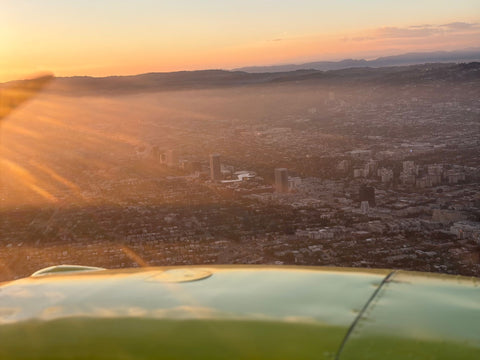
Shorter runways are close. Santa Monica's is already down to 3,500 feet, and the airport closes on December 31, 2028; see the Santa Monica closure. Every stop on our list of cross-country destinations from Van Nuys means checking the POH takeoff and landing charts against that runway first.
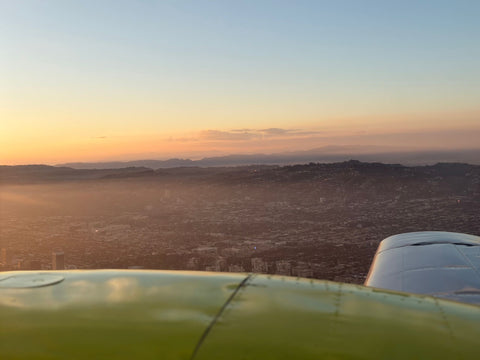
Altitude changes the arithmetic. In the AFH's words, high density altitudes reduce engine and propeller performance, increase takeoff rolls and decrease climb performance. If Big Bear, Mammoth or Catalina is on your list, read our mountain flying checkout and Catalina Island pages first.

Never flown a small airplane? A 60-minute discovery flight is $229. You fly from the left seat with an instructor, and it is credited in full toward training if you enroll within 24 hours.

Van Nuys Airport · Los Angeles

Unbeatable Location

Van Nuys (KVNY): Class D beneath the Burbank Class C, just north of the Los Angeles Class B, 300+ flyable days, the coast thirteen miles away.

KVNY · Van Nuys · Los AngelesSchematic · Not For Navigation
Schematic chart of Van Nuys Airport (KVNY) and the airspace around it: the Van Nuys Class D, the Burbank Class C, the LAX Class B shelves and the Simi Valley practice area. Not for navigation. 405101118 Simi Valley Santa Clarita San Fernando Glendale Pasadena Calabasas Santa Monica Thousand Oaks Hollywood San Fernando Valley Santa Monica Mountains Pacific Ocean Van Nuys Class D Burbank Class C LAX Class B KVNY · Van Nuys KBUR · Burbank KWHP · Whiteman LAX Practice Area 2 3 4 5 6 7 8 9 10 11 PA
  • Class B
  • Class C
  • Class D
  • Practice Area
  • Typical Route

KVNY · Class D Tower

Van Nuys Airport (KVNY)

Runways
16R/34L · 8,001 Ft
16L/34R · 4,000 Ft
Nearby
Burbank (KBUR) Class C · 11 Mi E
Whiteman (KWHP) · 6 Mi NE
Find Us
7900 Balboa Blvd, Main Terminal Unit 108, Van Nuys, CA 91406
Open 7 days · 9:00 AM – 9:00 PM
Included Every Time

What A $229 Discovery Flight Includes

$229 · All-In 60 Min Flight Time

Every discovery flight leaves from our ramp at Van Nuys Airport (KVNY) with an FAA-certificated flight instructor, and it is credited in full toward training if you enroll within 24 hours. Free rescheduling up to 24 hours before, and if the weather says no, you do not pay.

How These Landings Fit Into Private Pilot Training

The order is set by regulation. Before your first solo, 14 CFR 61.87(d) requires training in normal and crosswind takeoffs and landings, slips to a landing and go-arounds. Short-field and soft-field work follows before the solo cross-country, and 61.107(b)(1)(iv) lists takeoffs, landings and go-arounds among the areas of operation for the certificate.

The FAA minimum is 40 hours under 14 CFR 61.109(a). Our students who passed between 2023 and 2026 typically finished with 50–60 hours, simulator included, over two to four months. The Private Pilot Standard package is $10,400 for 38 hours in the airplane, 2 in the simulator, 30 of dual instruction and 3 of ground.

Crosswinds, the other half of Area IV, have their own page: crosswind landings, forward slips and the crosswind component. For a plan built around your schedule, book a free consultation or call (818) 330-1318, 9 AM to 9 PM, seven days a week.

Pick A Rating

Every Hour And Every Dollar, Course By Course

Each course is a package price, with the airplane, simulator, instruction and ground hours listed. The Private Pilot course is where these landings are taught.

Questions About Short-Field And Soft-Field Landings

What Is The Touchdown Tolerance On A Short-Field Landing?

Within 200 feet beyond or on the specified point, under ACS task IV-F. That is half the 400 feet allowed on a normal landing (task IV-B) and on a forward slip to a landing (task IV-M).

Why Keep Weight Off The Nosewheel On A Soft-Field Landing?

Because a nosewheel pushed into soft ground can dig in. The ACS also asks you to keep the controls positioned correctly and enough speed to taxi while you are still on the soft surface.

Should I Use Flaps For A Soft-Field Takeoff?

Use what the POH recommends. The AFH says to lower the flaps before the takeoff, if the manufacturer recommends it, to add lift and move the weight to the wings sooner. The ACS then has you configure the airplane after a positive rate of climb.

What Is The Difference Between Vx And Vy?

Vx is the speed for the best angle of climb and Vy for the best rate of climb; both are defined in 14 CFR 1.2. The AFH notes that Vx is usually slightly slower than Vy, and on the soft-field takeoff the ACS lets you climb at either.

How Long Are The Runways At Van Nuys?

Runway 16R/34L is 8,001 feet and 16L/34R is 4,000 feet. Under AIM 2-3-3 a runway number is the magnetic direction of the centerline divided by ten and rounded, so both point roughly 160 and 340 degrees magnetic.

Does Density Altitude Change Short-Field Performance?

Yes. The PHAK estimates landing distance grows about 3.5 percent per 1,000 feet of altitude, and on takeoff it describes a twofold effect: a higher takeoff speed and less thrust to reach it. Read the POH performance chart for the day before you commit to a short runway.

Practice Short-Field Landings At Van Nuys

Take a two-hour lesson for $349, fly a 60-minute discovery flight for $229, or talk through a training plan at a free half-hour consultation. We are at 7900 Balboa Blvd, Van Nuys Airport, open 9 AM to 9 PM, seven days a week.

Free rescheduling up to 24 hours before, and if the weather says no, you do not pay.