





















What A Certified Flight Instructor Is
A certified flight instructor (CFI) is a pilot the FAA has authorized to teach flying and to sign the endorsements that let students solo, take checkrides and add ratings. It is the first certificate on the professional ladder that lets you be paid consistently to fly — and for most career pilots it is the pivot point of the entire path. At You Fly LA in Van Nuys, the combined CFI, CFII and MEI course is $15,400.
This page is about the certificate and the person who holds it: what a CFI is authorized to do, what your instructor had to pass before sitting beside you, how the instructor ladder works above the CFI, and what the job looks like for anyone considering it. If you want the course itself — the syllabus, the two knowledge tests, the timeline and the checkride, step by step — that is on our flight instructor (CFI) course in Los Angeles page.
Here is why it matters so much. After your Commercial Pilot certificate you hold around 250 flight hours. US airlines want 1,500. That is a gap of roughly 1,250 hours, and how you close it is the most consequential financial decision in a flying career. A qualifying aviation degree can lower that airline minimum, which is the main reason the university route gets considered at all; the trade-off is weighed in our comparison of a flight school or an aviation degree.
Quick Answer: A certified flight instructor is a pilot the FAA has authorized to give flight and ground training and to sign the endorsements students need to solo and take checkrides. To become one you need to be 18, hold a commercial pilot certificate with an instrument rating, pass two knowledge tests, complete spin training and pass the CFI checkride. Most career pilots then instruct to build from about 250 hours to the 1,500 the airlines want; our CFI, CFII and MEI course at Van Nuys is $15,400.
Book A Free Consultation Call Or Text (818) 330-1318
What A CFI Is Authorized To Do
The certificate is not a job title, it is a set of legal authorities. Four of them matter to almost every student.
- Give flight and ground training. Under 14 CFR 61.195(b) a flight instructor may only train in an aircraft for which they hold the applicable category and class rating on both the instructor certificate and the pilot certificate — which is why a CFI without an MEI cannot teach you in a twin. A separate rule, 14 CFR 61.195(c), is why a CFI without a CFII cannot give you instrument training toward an instrument rating.
- Sign endorsements. Solo, solo cross-country, the knowledge test, the practical test, the flight review, the complex, high-performance and tailwheel endorsements: each is a signature from a CFI who has determined you are ready. 14 CFR 61.195(i) prohibits self-endorsement — an instructor can never endorse themselves for a certificate or rating.
- Act as pilot in command. On a dual flight the instructor is normally the pilot in command, which is why a CFI in practice carries a medical certificate even though the instructor certificate itself does not require one.
- Only for eight hours a day. 14 CFR 61.195(a) limits a flight instructor to eight hours of flight training in any 24 consecutive hours. If you are the last lesson on a long day, that limit is the reason your instructor will not simply add another hour.
The certificate itself no longer expires: under 14 CFR 61.19(d) a flight instructor certificate issued on or after December 1, 2024 has no expiration date, while older certificates still run 24 calendar months until renewed. The privileges can still lapse. Under 14 CFR 61.197 a flight instructor may exercise the privileges of the certificate only if, within the preceding 24 calendar months, they have met one of the recent-experience requirements — for example by passing a practical test, by endorsing at least five applicants with at least an 80 percent first-attempt pass rate, or by completing an approved flight instructor refresher course. It is a genuine currency requirement, and it is a reasonable thing to ask about.
The Math That Makes The CFI Certificate Obvious
Aircraft time at You Fly LA costs $179 per hour in the Piper Warrior at the package rate. Buying 1,000 hours of that time yourself would cost roughly $179,000 — more than twice the price of our entire $84,000 zero-to-airline program.
Now invert it. As a CFI, the hours you need are the hours you are being paid to fly. Instruction is billed at $110 per hour for flight instruction and $110 per hour for ground instruction. The student pays for the airplane; you are compensated for your time; the flight time goes in your logbook. Same hours, opposite direction of cash flow. That is the entire argument, and it is why the overwhelming majority of US airline pilots taught before they flew a jet. What each rung of that ladder pays, from a first instructing job to the left seat, is set out in what pilots actually earn.
Eligibility: What You Need Before You Start
| Requirement | Detail |
|---|---|
| Minimum age | 18 years old |
| Pilot certificate | Commercial Pilot certificate (or ATP) with the appropriate category and class rating |
| Instrument rating | Required on your pilot certificate for any airplane instructor certificate, the initial CFI included, under 14 CFR 61.183(c)(2) |
| Multi-engine rating | Required on your pilot certificate for the MEI (multi-engine instructor) rating |
| Written exams | Two: Fundamentals of Instructing (FOI) and the Flight Instructor knowledge test |
| Spin training | Logged spin training and a spin-training endorsement from an authorized instructor |
| Language | Able to read, speak, write and understand English |
| Medical | At least a valid medical certificate appropriate to the flying you will do — career students should hold a first-class |
| Practical test | The initial CFI checkride: oral plus flight, conducted with an FAA inspector or designated examiner |
If you are still working toward these prerequisites, the sequence runs Private, then Instrument Rating, then Commercial, then Multi-Engine, then CFI. Our full stage-by-stage breakdown lives on our guide to how to become an airline pilot.
- At least 18 years old
- Commercial pilot or airline transport pilot certificate with an airplane single-engine rating
- Instrument rating on your pilot certificate
- Able to read, speak, write and understand English
- Fundamentals of Instructing knowledge test passed
- Flight instructor airplane knowledge test passed
- Spin training received and the spin endorsement in your logbook
- At least 15 hours as pilot in command in a single-engine airplane
- Lesson plans built for the tasks you will be asked to teach
What The Training Demands
Three things make instructor training unlike every certificate that comes before it, and they are worth knowing whether you are about to do it or simply want to understand what your instructor went through.
Two knowledge tests, not one. The CFI is the only certificate requiring two. The Fundamentals of Instructing (FOI) exam covers the theory of teaching — the learning process, human behavior and communication, assessment and critique, instructor responsibilities and professionalism. The Flight Instructor knowledge test covers the aeronautical material from the teaching side. Career students routinely underestimate FOI because it is not about airplanes, which is exactly why it matters: every checkride until now asked whether you can fly, and this one asks whether you can make someone else fly.
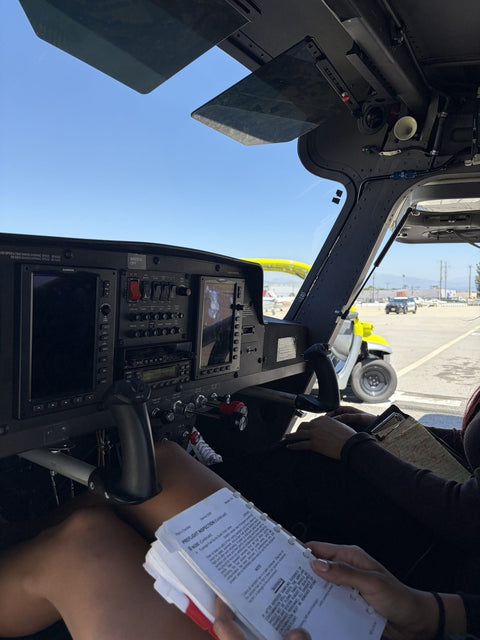
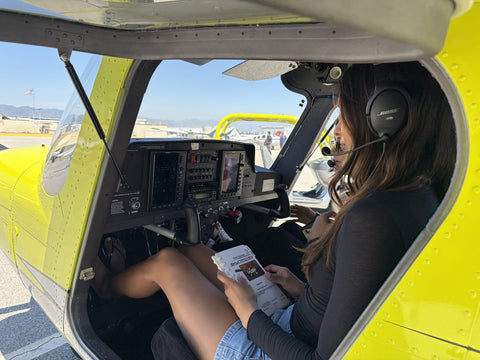
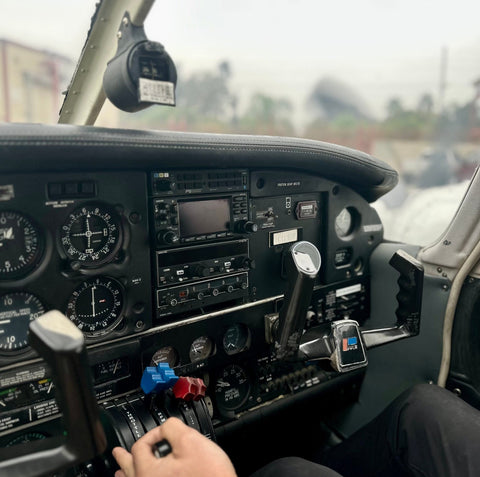
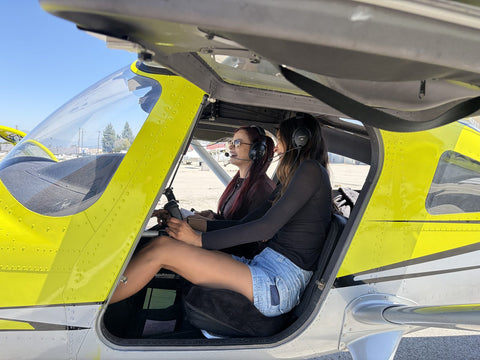
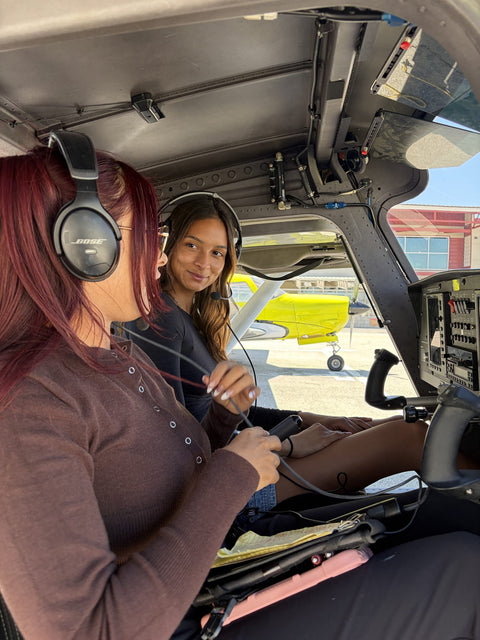
Everything moves to the right seat. The sight picture over the nose changes, the roundout looks different, and the yoke moves to the right hand while the throttle moves to the left. Most new instructors need real practice before their right-seat landings match the left-seat landings they arrived with.
You talk continuously while flying precisely. This is the genuinely hard part: fly to standards, narrate in real time, watch the student's hands and eyes, monitor the airspace, and think one step ahead of a person about to make a mistake you have to catch. Splitting attention that many ways is a trainable skill, and it is exactly why airlines value instructor time.
On top of that, to be issued an airplane single-engine flight instructor certificate you must have received flight training in stall awareness, spin entry, spins and spin recovery, and hold an endorsement from an authorized instructor certifying competency in those areas. Most pilots reach this point never having intentionally spun an airplane, and it changes how you understand stalls permanently.
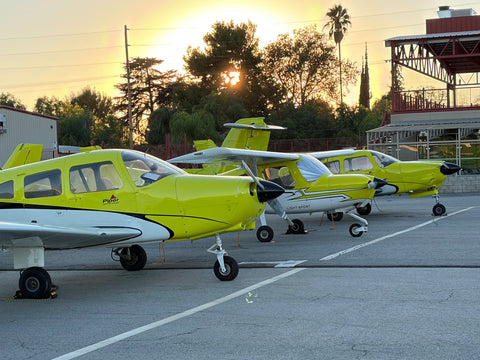
At Van Nuys that pressure is real from day one. KVNY is Class D, busy, sits beneath the Burbank Class C, just north of the Los Angeles Class B, and generates constant radio traffic. Teaching here means teaching in a demanding environment rather than a quiet one. The stage-by-stage syllabus, the exam fees and the timeline are on our CFI course page; where instructing fits into the aviation school route in Los Angeles is covered on its own page.
The Initial CFI Checkride And Its Reputation
The initial CFI practical test has a reputation as the hardest checkride in general aviation, and the reputation is earned. Two reasons:
The oral is long and it is inverted. On every previous checkride you answered questions. On this one you teach. The examiner plays a student, and you deliver ground lessons on assigned subjects — complete with lesson objectives, a whiteboard, and the ability to keep going when the "student" asks something confused or wrong. It routinely runs several hours.
The flight is graded at instructor standard. You demonstrate maneuvers to Commercial-level tolerances, from the right seat, while explaining them out loud, and while identifying and correcting errors the examiner deliberately introduces.
The way through it is not talent. It is preparation: know the Aviation Instructor's Handbook and the relevant Airman Certification Standards cold, build real lesson plans for every task, and practice teaching out loud to another human being until it stops feeling strange. Every instructor on our instructor team has taken this checkride.
Cost: CFI, CFII And MEI At You Fly LA
| Item | Price |
|---|---|
| Flight Instructor course — CFI + CFII + MEI | $15,400 |
| Prerequisite: Commercial Pilot certificate | $15,400 |
| Prerequisite: Instrument Rating | $11,700 |
| Prerequisite: Multi-Engine Rating (7 days) | $5,100 |
| Flight instruction, billed hourly | $110 / hour |
| Ground instruction, billed hourly | $110 / hour |
| Aircraft time — Piper Warrior | $179 / hour in a package |
| Redbird full-motion simulator | $120 / hour ($189 for a 60-minute session) |
| Packaged zero-to-airline program (260 hours) | $84,000 |
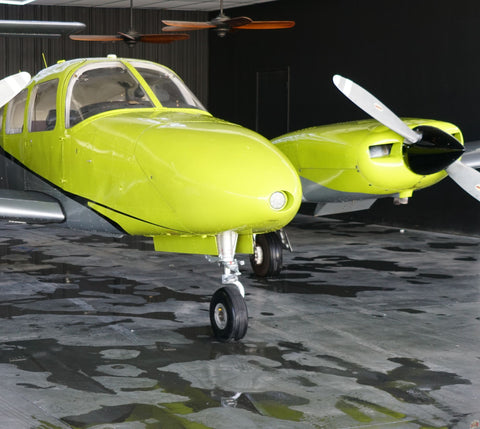
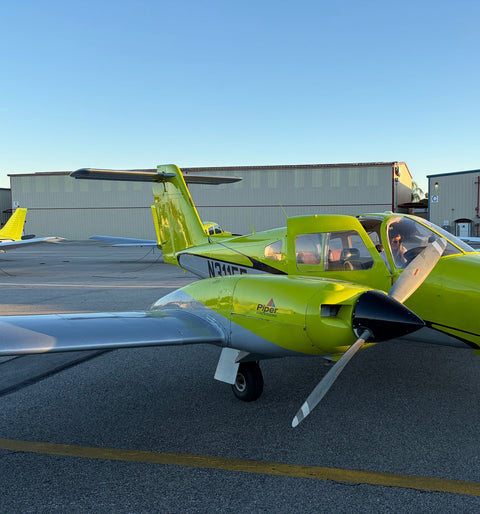
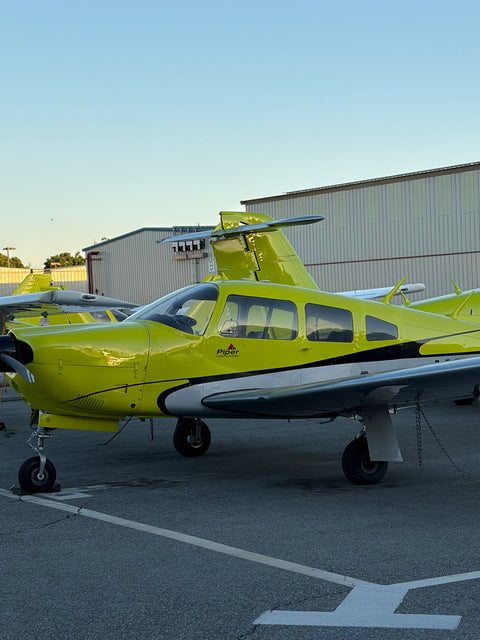
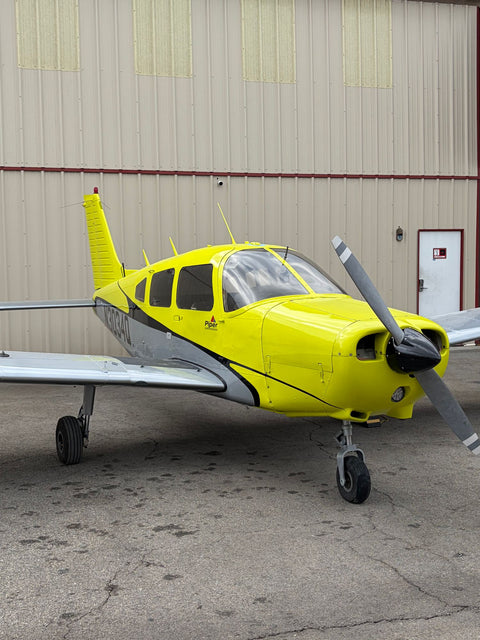
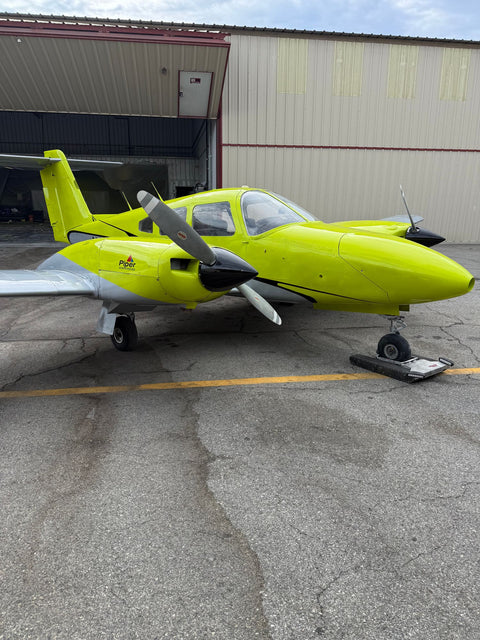
Bundling CFI, CFII and MEI matters more than it looks. A CFI alone can teach primary students. Add the CFII and you can teach instrument students — the students who fly regardless of a low ceiling, which is exactly the flying that keeps your logbook moving in a marine-layer spring. Add the MEI and you can teach in the Piper Seminole, which is comparatively scarce multi-engine time and is well regarded by airline recruiters.
What A CFI Realistically Earns While Building To 1,500
Be clear-eyed about this, and start with a distinction that is misreported everywhere. Instruction at You Fly LA is billed to the student at $110 per hour. That is the school's price to the customer — it is not what the instructor is paid, and the two are different numbers at every school in the country. What is actually documented about instructor earnings, and what is not, is set out on our page on flight instructor salary. Current terms here are discussed directly with candidates; see our flight instructor jobs page and ask, rather than working from an internet estimate.
One figure we can publish: our $84,000 airline pilot career program includes a guaranteed paid CFI job with us at $48,000 a year, so its graduates build from their commercial certificate toward 1,500 hours as salaried instructors.
What actually determines a CFI's income is not the rate. It is how many hours you can log per month, and that depends on four things:
- Student volume. Los Angeles is one of the largest flight training markets in the country and Van Nuys is one of the world's busiest general aviation airports. Student demand here is not the constraint it is at a quiet field.
- Weather. The marine layer pushes into the Valley through spring, and May and June are the thickest months. A CFII keeps working on those mornings; a CFI without the instrument rating often does not.
- Your availability. We are open 9 AM to 9 PM, seven days. Instructors who can teach early mornings, evenings and weekends — when working students actually fly — log substantially more than instructors available only midday on weekdays.
- Ratings held. Primary, instrument and multi-engine students together give you three separate sources of flight time instead of one.
Understand also that you are paid for instruction time, not for the whole day. Preflight briefings, post-flight debriefs and lesson planning are part of the work. Plan on roughly one to one and a half years of full-time instructing to move from 250 hours to 1,500 — see the timeline table on our airline pilot roadmap. For how that income compares to what comes next, read our airline pilot salary guide.
The Senior Instructor Ladder
The CFI is the entry certificate, not the end of the structure. At an FAA-approved Part 141 pilot school the regulations recognize three senior positions above the line instructor, and their thresholds are a fair description of when the wider industry starts treating an instructor as experienced.
| Position | Minimum Experience, Private Pilot Course | Regulation |
|---|---|---|
| Line flight instructor | Commercial certificate, instrument rating and a flight instructor certificate | 14 CFR 61.183 |
| Assistant chief instructor | 500 hours pilot in command, plus 1 year and 250 hours instructing or 500 hours instructing | 14 CFR 141.36(b) |
| Chief instructor | 1,000 hours pilot in command, plus 2 years and 500 hours instructing or 1,000 hours instructing | 14 CFR 141.35(b) |
| Check instructor | No hour minimum; designated in writing by the chief instructor and approved by the responsible Flight Standards office | 14 CFR 141.37(b) |
Figures from Title 14 of the Code of Federal Regulations, Part 141, eCFR title issue date 10 September 2026. For a commercial or flight instructor course the chief instructor threshold rises to 2,000 hours pilot in command under 141.35(d). What each of those people actually does, and why the role is worth asking about even at a Part 61 school, is on our page on the chief flying instructor.
Instructing Makes You A Measurably Better Pilot
The hour-building argument is the obvious one. The better argument is what teaching does to your flying.
You cannot teach a maneuver you only half understand. Preparing to explain why a slip works, why a go-around is configured in that order, or why the airplane behaves the way it does at high density altitude on a July afternoon at Van Nuys forces a depth of understanding that passing a checkride never required. Instructors habitually say they learned more in their first 200 hours of teaching than in the previous 250 of flying.
Then there is the risk-management side. You spend hundreds of hours watching a person about to make an error and deciding, in real time, whether to let it develop as a lesson or intervene. That builds judgment, threat detection, and the calm-under-load communication that airline crew environments run on. Airlines are not merely counting your hours — they are hiring what instructing built.
Frequently Asked Questions
What Does A Certified Flight Instructor Actually Do?
A certified flight instructor gives flight and ground training, signs the endorsements that allow a student to solo, take a knowledge test and take a practical test, and normally acts as pilot in command on every dual flight. The certificate is a set of legal authorities under 14 CFR Part 61 rather than a job title.
What Can A CFI Sign In My Logbook?
Solo and solo cross-country endorsements, knowledge test and practical test endorsements, flight reviews, and the complex, high-performance and tailwheel endorsements, among others. Under 14 CFR 61.195(i) an instructor may never self-endorse for a certificate or rating.
How Many Hours A Day Can My Instructor Teach?
14 CFR 61.195(a) limits a flight instructor to eight hours of flight training in any 24 consecutive hours. If you are the last lesson on a long day, that is why an instructor will not simply add another hour.
Does A Flight Instructor Certificate Expire?
Not if it was issued on or after December 1, 2024: under 14 CFR 61.19(d) those certificates have no expiration date, and older ones expire 24 calendar months after issue or renewal. Either way, under 14 CFR 61.197 an instructor may exercise the privileges of the certificate only if, within the preceding 24 calendar months, they have met one of the recent-experience requirements — for example passing a practical test, endorsing at least five applicants with at least an 80 percent first-attempt pass rate, or completing an approved flight instructor refresher course.
What Are The Requirements To Become A Certified Flight Instructor?
You must be at least 18 years old, hold a Commercial Pilot certificate (or ATP) with the appropriate category and class rating, pass two written exams — Fundamentals of Instructing and the Flight Instructor knowledge test — receive spin training and a spin-training endorsement, and pass the initial CFI practical test. An instrument rating on your pilot certificate is also required for an airplane flight instructor certificate.
How Much Does CFI Training Cost At You Fly LA?
The combined CFI, CFII and MEI course is $15,400 at our Van Nuys location. Prerequisites are priced separately: Instrument Rating $11,700, Commercial Pilot $15,400 and Multi-Engine Rating $5,100.
Can I Get Hired As A Flight Instructor At You Fly LA?
We hire instructors, including graduates of our own CFI course. Current openings and terms are on our flight instructor jobs page, or call (818) 330-1318 to discuss it directly.
How Long Does It Take To Become A Certified Flight Instructor?
If you already hold a commercial certificate with an instrument rating, our CFI, CFII and MEI course takes about four weeks full time, with twelve eight-hour ground days. Starting from zero, the private, instrument, commercial and multi-engine steps come first; our airline pilot career program takes a beginner through every rating to MEI in about nine months.
How Much Do Certified Flight Instructors Make?
It depends mainly on how many hours you teach each month, which comes down to student volume, weather, your availability and the ratings you hold. The $110 an hour we bill students for instruction is the school's price, not the instructor's pay. Graduates of our airline pilot career program are guaranteed a paid CFI job with us at $48,000 a year; other candidates discuss terms with us directly.
Start Your Flight Instructor Training
If you already hold a Commercial certificate, the CFI, CFII and MEI course at $15,400 is the next step and the one that starts paying you back. If you are earlier in the path — or have never flown at all — start with a 60-minute discovery flight for $229. No tax, no booking fee: $229 is the total, and the time is loggable toward your Private Pilot certificate. Not sure whether Part 61 or Part 141 suits you? Read Part 61 vs Part 141 flight school.
Book A Discovery Flight · $229 Book A Free Consultation Call Or Text (818) 330-1318
You Fly LA · 7900 Balboa Blvd, Main Terminal Unit 108, Van Nuys, CA 91406 · Open 9 AM – 9 PM, 7 days.
Sources: 14 CFR 61.19, 61.183, 61.195 and 61.197, Title 14 of the Code of Federal Regulations on ecfr.gov, checked September 23, 2026.