































The Short Answer, With Its Source Attached
How much do pilots make? In federal wage data for May 2025, the median annual wage was $232,140 for airline pilots, copilots and flight engineers and $123,220 for commercial pilots. Those are two different occupations, not two stages of one career, and neither number is anybody's starting salary.
Every figure on this page is read from a named public source with the date of the data stated beside it. Where a number does not exist in a public source — first-year regional pay, for instance — we say so and tell you where the real figure lives, rather than inventing one. That is an unusual thing for a flight school to do, and it is deliberate: a pilot salary estimate you cannot check is worth nothing when you are deciding whether to spend five figures on training.
| Occupation, As BLS Defines It | Lowest 10 Percent Earned Less Than | Median Annual Wage | Highest 10 Percent Earned More Than |
|---|---|---|---|
| Airline pilots, copilots, and flight engineers | $106,710 | $232,140 | $463,830 |
| Commercial pilots | $58,850 | $123,220 | $266,620 |
| Aircraft pilots and flight engineers (both groups combined) | — | $210,020 | — |
| All occupations in the US economy, for scale | — | $50,980 | — |
Source and date. US Bureau of Labor Statistics, Occupational Outlook Handbook, "Airline and Commercial Pilots". Wage data are for May 2025; figures read from the BLS page and verified on 12 September 2026. The same entry projects overall employment of airline and commercial pilots to grow 7 percent from 2025 to 2035 and about 16,400 openings each year on average over the decade.
The caveat that belongs next to every one of these numbers. Pilot pay varies by carrier, by equipment, by seat and by seniority, and a published median hides an enormous spread. In the airline group the same occupational title covers people earning under $106,710 and people earning over $463,830. That is not noise around an average — it is the whole structure of the career, and the rest of this page is about why.
Pilot Pay By Sector: What The Federal Industry Data Shows
The single most useful thing in the federal data is not the headline median. It is the industry breakdown, because "pilot" is not one job. BLS publishes wage estimates for each occupation inside each industry, and that is as close as any public source gets to answering "what does a charter pilot make" or "what does a flight instructor make" with a real number.
| Kind Of Flying | BLS Occupation | Industry, As BLS Names It | Employment | Median Annual Wage |
|---|---|---|---|---|
| Express freight | Airline pilots, copilots, flight engineers | Couriers and express delivery services | 5,730 | $334,930 |
| Scheduled airline | Airline pilots, copilots, flight engineers | Scheduled air transportation | 90,840 | $293,240 |
| Contract and support flying | Airline pilots, copilots, flight engineers | Support activities for air transportation | 2,570 | $202,680 |
| Corporate flight departments | Commercial pilots | Management of companies and enterprises | 1,390 | $173,460 |
| Federal government flying | Airline pilots, copilots, flight engineers | Federal Executive Branch | 2,720 | $141,140 |
| Charter and on-demand | Commercial pilots | Nonscheduled air transportation | 18,580 | $133,150 |
| Air ambulance | Commercial pilots | Ambulance services | 4,900 | $100,330 |
| Flight instruction | Commercial pilots | Technical and trade schools, private | 5,890 | $93,820 |
| Air tours and sightseeing | Commercial pilots | Scenic and sightseeing transportation, other | 630 | $80,230 |
| Agricultural flying | Commercial pilots | Support activities for crop production | 830 | $71,050 |
Source and date. US Bureau of Labor Statistics, Occupational Employment and Wage Statistics, May 2025 national industry-specific estimates, published in the OEWS data tables. Read 12 September 2026. Employment figures are the number of people BLS estimates are employed in that occupation within that industry, so they also tell you how many of these jobs exist — which matters as much as the wage.
Read that table twice. The first read gives you a ranking. The second gives you the real lesson: the spread between the top row and the bottom row is more than a quarter of a million dollars, and every one of those rows is a pilot. Anyone quoting "the average pilot salary" as a single number is averaging across all of it.
Two rows deserve a flag before you draw conclusions. The 5,730 airline-category pilots in couriers and express delivery services carry the highest median in the table, but that industry also has the widest low tail of any airline row — the 10th percentile there is $59,150, against $114,390 in scheduled air transportation. And flight instruction sits near the bottom, which is exactly right, because instructing is not a destination job; it is the phase where you are paid to log the hours you would otherwise buy. Both of those are unpacked on the sector pages linked further down.
What A Median Cannot Tell You
A median is the middle. Half earn more, half earn less, and the median tells you nothing at all about the shape of either half. For a career whose whole economic structure is a slow climb, the percentiles are far more informative — so here is the full published distribution.
| Occupation | Employment | 10th Percentile | 25th Percentile | Median | 75th Percentile | 90th Percentile |
|---|---|---|---|---|---|---|
| Airline pilots, copilots, and flight engineers | 103,560 | $106,710 | $182,280 | $232,140 | $384,440 | $463,830 |
| Commercial pilots | 47,630 | $58,850 | $84,540 | $123,220 | $190,440 | $266,620 |
| All occupations, for comparison | 155,495,730 | $31,200 | $37,590 | $50,980 | $80,520 | $128,560 |
Source and date. US Bureau of Labor Statistics, Occupational Employment and Wage Statistics, May 2025 national cross-industry estimates. Read 12 September 2026. BLS publishes these two pilot occupations as annual wages only; it does not publish hourly wage estimates for them, which is itself a hint about how the job is paid.
The distance from the 25th percentile to the 75th in the airline group is $202,160. Half the occupation sits inside that band, and moving across it is mostly a function of time at one employer. That single fact explains more about pilot careers than any average ever will, and it is the subject of pilot pay by year and seniority.
Pilots Are Not Salaried. They Are Paid By The Hour.
The first thing to unlearn: most professional pilots do not have a salary the way an office employee does. They have an hourly rate applied to hours credited, published in their contract as a grid. Two variables set the rate — the seat you occupy, Captain or First Officer, and your year of service at that employer. Many contracts add a third dimension for aircraft type or category, so a larger airplane pays more per hour than a smaller one at the same year of service.
This is why "pilot job pay" has no fixed answer even inside one company, in one seat, at one year of service. Two First Officers hired the same week can earn materially different amounts depending on how much they fly.
Credit Hours Are Not Hours At Work
This is where nearly every outside estimate goes wrong. Pilots are not paid for time at the airport. Pay is based on credit hours, broadly tied to flight time and typically counted from pushback to arrival at the gate. Duty time is something else entirely: report time before the first flight, security, preflight, a two-hour ground delay, sitting between legs, the post-flight after the last one.
The gap is not small, and BLS puts a number on it. The Occupational Outlook Handbook states that airline pilots fly an average of 75 hours per month and work an additional 150 hours per month performing other duties such as checking weather conditions and preparing flight plans — same source, same May 2025 entry. Contracts contain rigging and minimum-credit provisions designed to narrow that gap, crediting a minimum amount per duty period or per calendar day regardless of how little you actually fly. Whenever someone tells you a pilot "makes $X an hour," the only useful follow-up is: per credit hour, or per hour at work?
The Monthly Guarantee Is What Makes The Job Predictable
Airline contracts guarantee a minimum number of credit hours per month whether or not you fly them. Fly less than the guarantee, because of cancellations, a light bid or a reserve assignment, and you are still paid the guarantee. Fly more and you are paid for what you flew, often with premium rates on trips picked up from open time. That floor is the single biggest structural difference between airline flying and most other paid flying, where a quiet month simply pays less.
Per Diem Is Real Money, And It Is Not Salary
On top of flight pay, airline pilots receive a per diem: an hourly expense allowance paid for every hour away from base, running continuously from the moment you go on duty until you return home, including sleeping hours on an overnight. It is small per hour and substantial per month, and it is treated differently for tax purposes than flight pay. The Handbook also notes that airline pilots may earn extra pay for international flights.
Seniority Governs Everything
If you take one idea from this page, take this one. At a US airline, seniority is your date of hire, and it determines nearly every economic and quality-of-life outcome of your career. It decides which aircraft you can hold, whether you can upgrade to Captain, which base you live in, whether you fly a line or sit reserve, which trips you can bid, and how much control you have over your days off.
Seniority is also almost entirely non-portable. Leave for another employer and you start at the bottom of the new list no matter how many thousands of hours you have. The BLS Handbook states the mechanism plainly: airline pilots usually begin their careers as first officers and receive wage increases as they accumulate experience and seniority. Pilots describe the career as a series of one-way doors, and it is why which employer you join, and when, matters more to lifetime earnings than a few dollars of difference in the first-year rate.
Book A Discovery Flight — $229 Book A Free Consultation
Pilot Salary In California And Los Angeles
National medians are the wrong lens if you plan to base yourself here, so BLS also publishes state and metropolitan estimates. California is one of the two largest employers of airline-category pilots in the country, and the Los Angeles metro area alone accounts for most of the state's total.
| Area | Occupation | Employment | 10th Percentile | Median | 90th Percentile |
|---|---|---|---|---|---|
| United States | Airline pilots, copilots, flight engineers | 103,560 | $106,710 | $232,140 | $463,830 |
| California | Airline pilots, copilots, flight engineers | 10,670 | $179,270 | $353,900 | $427,660 |
| Los Angeles-Long Beach-Anaheim | Airline pilots, copilots, flight engineers | 6,710 | $179,270 | $364,730 | $427,660 |
| United States | Commercial pilots | 47,630 | $58,850 | $123,220 | $266,620 |
| California | Commercial pilots | 4,900 | $63,890 | $165,590 | $500,170 |
| Los Angeles-Long Beach-Anaheim | Commercial pilots | 1,980 | Not released | Not released | Not released |
Source and date. US Bureau of Labor Statistics, Occupational Employment and Wage Statistics, May 2025 state and metropolitan area estimates. Read 12 September 2026. BLS published an employment estimate of 1,980 commercial pilots in the Los Angeles metro area but withheld the wage estimates for that cell, which it does when a figure does not meet its disclosure or reliability standards. We are not going to fill that gap with a guess.
The California numbers sit well above the national ones in both occupations, and the reason is composition rather than generosity: the state's pilot population skews toward large scheduled carriers and toward high-end corporate and charter operations. It does not mean a Californian pilot is paid more for the same job at the same employer. Cost of living here is also not in these figures.
The Certificate Is Not The Job
One comparison no salary page makes, and it changes how you should read every number above. The FAA counts certificates. BLS counts jobs. They are very different numbers.
| Measure | Figure | Source |
|---|---|---|
| Active airplane Airline Transport Pilot certificates | 181,742 | FAA, as of 31 Dec 2025 |
| Active airplane Commercial Pilot certificates | 118,314 | FAA, as of 31 Dec 2025 |
| Active Flight Instructor certificates | 145,538 | FAA, as of 31 Dec 2025 |
| People employed as airline pilots, copilots, flight engineers | 103,560 | BLS OEWS, May 2025 |
| People employed as commercial pilots | 47,630 | BLS OEWS, May 2025 |
| Active pilots of all kinds in California | 82,437 | FAA, as of 31 Dec 2025 |
Source and date. FAA, U.S. Civil Airmen Statistics 2025, estimated active certificates held as of December 31, 2025. BLS, Occupational Employment and Wage Statistics, May 2025. Both read 12 September 2026. The two datasets count different things and are not meant to be subtracted from one another — but the direction is unmistakable.
Holding a certificate and being employed as a pilot are not the same status. Plenty of certificate holders fly privately, fly part-time, have moved to other work, or are still building hours. The practical lesson for anyone reading a salary figure: the wage data describes people who already have the job, and getting the job is a separate problem with its own timeline. California alone has 82,437 active pilots and 11,867 active flight instructors.
What It Costs To Reach The Pay Scale
Pay is only half of the decision. The other half is what you spend, and how long you spend it, before any of the figures above apply to you. These are our published prices at Van Nuys Airport.
| Step | Price | Notes |
|---|---|---|
| Discovery flight, 60 min | $229 | No tax, no booking fee — $229 is the total. Loggable. |
| Private Pilot | $10,400 | 40-hour Part 61 minimum package |
| Instrument Rating | $11,700 | Required in practice for professional flying |
| Commercial Pilot | $15,400 | 250-hour FAA minimum. The certificate that allows pay. |
| Multi-Engine Rating | $5,100 | Seven days |
| CFI, CFII and MEI | $15,400 | How most pilots get paid to build hours |
| Total, purchased individually | $58,229 | Discovery flight through MEI |
| Airline Pilot Career Program | $84,000 | Zero experience to 260 hours, packaged |
After 260 hours the standard route to the 1,500 hours an airline requires is instructing — you are paid rather than paying. The regulation behind that number, and the reduced totals some pilots qualify for, are set out on the 1,500 hour rule and R-ATP. To model your own timeline and cash flow rather than ours, use the flight training cost calculator, and for the full cost picture see how much flight school costs. If you want the whole question weighed honestly rather than sold to you, read is becoming a pilot worth it.
Book A Discovery Flight — $229 Book A Free Consultation
The Honest Counterweight
A professional flying career can be financially excellent. It is not risk-free, and a page that only shows you the top of a pay scale is selling you something.
You buy your own qualifications up front. Unlike most professions where an employer trains you, you arrive at your first flying job having already paid for your certificates. That is real capital, often financed — see flight training financing.
The first years are the lean years. Look again at the 10th percentile in the commercial pilots row: $58,850. That is where a professional flying career starts for a great many people, and it is a long way from the headline median. Between your first lesson and holding a good line at a major carrier you may spend five to eight years earning well below the number that attracted you, while servicing training debt.
Seniority lock-in is a real constraint. Once you have built seniority, changing employers means surrendering it — a powerful incentive to stay through a base closure, a schedule you dislike, or a move that would be better for your family.
Medical risk never goes away. Airline flying requires a first-class medical for the entire length of your career, and a condition that develops at 45 can end a career you spent twenty years building. This is why professional pilots carry loss-of-license insurance, and why we tell career-minded students to obtain a first-class medical before spending money on training.
Go Deeper: The Six Pages Under This One
This page is the map. Each of these takes one sector or one dimension and publishes everything the public data supports about it, with the same sourcing rules.
- Airline pilot salary — the canonical page for scheduled-carrier pay, with the full percentile and industry tables and the contract mechanics behind them.
- Commercial pilot salary — what the BLS "commercial pilots" occupation actually contains, why it is not a junior version of the airline row, and what the certificate does and does not buy you.
- Flight instructor salary — the one phase where the money is beside the point, and the published figures for the industry instructors are counted in.
- Cargo pilot salary — the highest median in the whole industry table and one of the lower ones sit under the same word. Here is which is which.
- Corporate and charter pilot pay — the largest non-airline employer of professional pilots, and the only sector where a true annual salary is the norm.
- Pilot pay by year and seniority — what is knowable about year-one pay, what is not, and how to read a real pay scale yourself.
Adjacent pages worth reading before you commit: regional vs major airlines for the tier structure the airline column sits on, airline hiring minimums for what each tier requires before it makes an offer, flight instructor jobs for how the hour-building phase actually works, and how to become a pilot for the sequence from zero.
Where To Find Current, Accurate Numbers
- The employer's collective bargaining agreement. The pay scale is a table in the contract, published by the union representing that pilot group. Authoritative, current, and free.
- The employer's own careers page for hiring minimums, signing bonuses and tuition reimbursement, which change with the market.
- The US Bureau of Labor Statistics for occupation-wide medians, percentiles, industry detail and state and metropolitan estimates — the Occupational Outlook Handbook for the summary, the Occupational Employment and Wage Statistics tables for the detail.
- The FAA for certification, medical requirements and the U.S. Civil Airmen Statistics that tell you how many people hold each certificate.
Cross-check any figure against at least two. If a source will not tell you whether a number is per credit hour, first-year, or inclusive of guarantee, it is not a source.
Frequently Asked Questions
How Much Do Pilots Make?
In US Bureau of Labor Statistics wage data for May 2025, the median annual wage was $232,140 for airline pilots, copilots and flight engineers and $123,220 for commercial pilots. Those are two separate occupations rather than two stages of one career, and a median is the middle of a population that includes senior Captains. Pay varies by carrier, equipment, seat and seniority, and the published spread runs from under $58,850 to over $463,830.
What Is The Median Pilot Salary In The Federal Data?
The US Bureau of Labor Statistics reports $232,140 for airline pilots, copilots and flight engineers, $123,220 for commercial pilots, and $210,020 for the combined aircraft pilots and flight engineers group, all in wage data for May 2025. For scale, the median for all occupations in the US economy was $50,980 in the same data.
Which Kind Of Flying Pays The Most?
In the May 2025 BLS industry estimates, the highest published median for the airline pilots, copilots and flight engineers occupation is $334,930 in couriers and express delivery services, followed by $293,240 in scheduled air transportation. Within the commercial pilots occupation the highest published median is $173,460 in management of companies and enterprises, which is where corporate flight departments are counted.
Do All Professional Pilots Work For Airlines?
No. The May 2025 federal data counts 103,560 people employed as airline pilots, copilots and flight engineers and 47,630 employed as commercial pilots, and the commercial group covers charter, corporate, air ambulance, flight instruction, air tours, agricultural flying and aerial work. Outside the airlines pay is often a salary or a day rate rather than a credit-hour formula, so establish which pay shape an offer uses before comparing it to anything.
What Is The Difference Between A Pilot's Hourly Rate And Their Annual Income?
The hourly rate applies only to credit hours, which are broadly tied to flight time from pushback to gate arrival, not to hours spent at work. BLS states that airline pilots fly an average of 75 hours per month and work an additional 150 hours per month on other duties. Annual income is credit hours flown times that rate, plus the monthly guarantee floor, premium pay for extra trips, per diem, retirement contributions and profit sharing where the contract provides them.
How Much Does A Pilot Make In California?
In BLS state estimates for May 2025, the median annual wage in California was $353,900 for airline pilots, copilots and flight engineers, across 10,670 people, and $165,590 for commercial pilots, across 4,900 people. In the Los Angeles-Long Beach-Anaheim metro area the airline-group median was $364,730 across 6,710 people; BLS published an employment estimate of 1,980 commercial pilots in the metro area but withheld the wage figures for that cell.
Why Is The Range Of Pilot Pay So Wide?
Because the same occupational title covers a first-year First Officer and a senior wide-body Captain, and the distance between them is mostly time. In the May 2025 data the airline group runs from $106,710 at the 10th percentile to $463,830 at the 90th, and the gap between the 25th and 75th percentiles alone is $202,160. Pay varies by carrier, by equipment, by seat and by seniority, and a median hides all of it.
How Much Does It Cost To Become A Professional Pilot?
At You Fly LA, buying certificates individually costs $58,229 from a $229 discovery flight through CFI, CFII and MEI. The packaged Airline Pilot Career Program covering zero experience to 260 hours is $84,000. From there you build toward 1,500 hours, normally by being paid to instruct rather than by buying flight time.
Start Where Every Pay Scale Starts
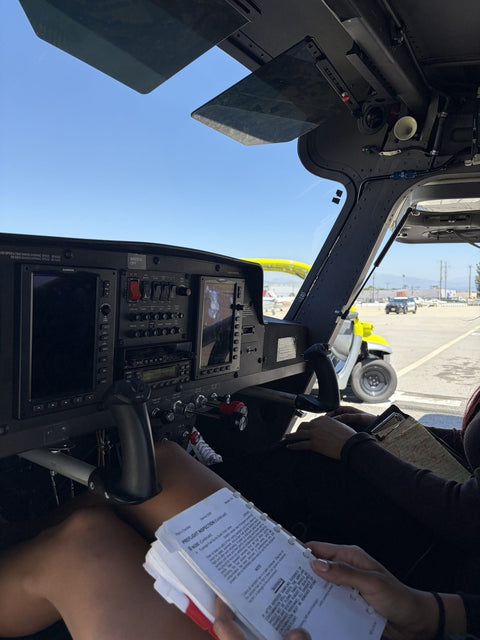
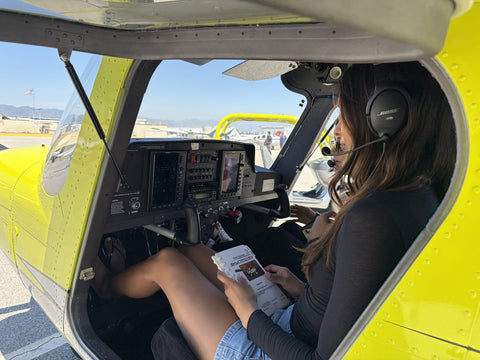
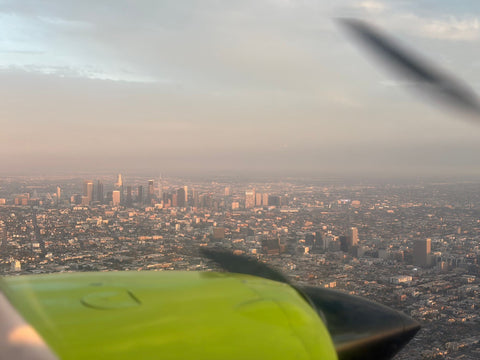
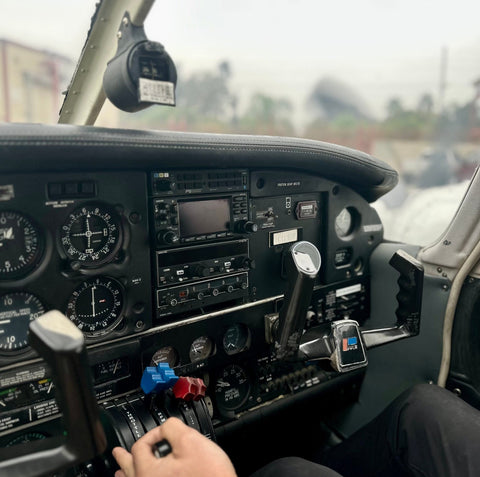
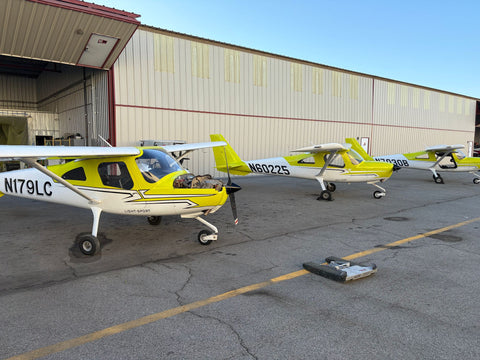
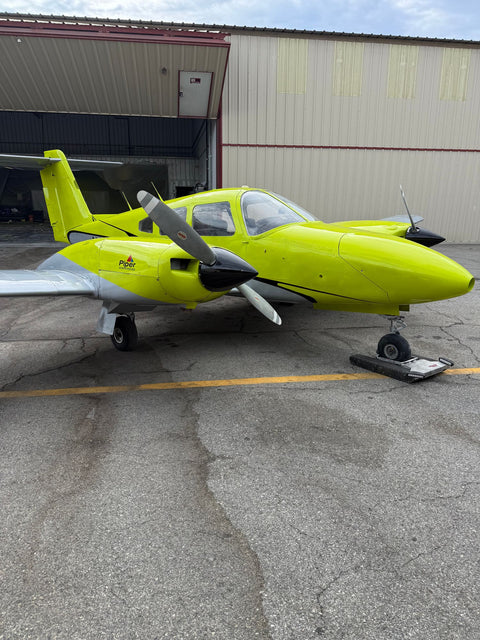
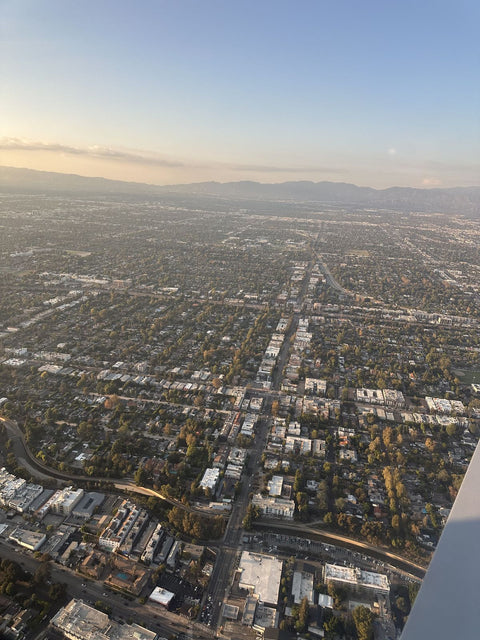
Every grid on this page begins in the left seat of a training airplane. A 60-minute discovery flight over Los Angeles is $229 — no tax, no booking fee, $229 is the total — and the hour is loggable toward your certificate. If you want to map the finances first, the in-person consultation is free. We fly from 7900 Balboa Blvd, Main Terminal Unit 108, at Van Nuys Airport, inside KVNY's Class D, five minutes from the 405 and ten from the 101.
Book A Discovery Flight — $229 Book A Free Consultation Call (818) 330-1318
You Fly LA · 7900 Balboa Blvd, Main Terminal Unit 108, Van Nuys, CA 91406 · Open 9 AM – 9 PM, seven days a week.