Questions About Spatial Disorientation
When Does The Somatogravic Illusion Happen?
Whenever the airplane accelerates hard with no visual horizon to correct the feeling. Takeoff is the classic case, but the FAA's CAMI brochure also names increased acceleration in level flight and a vertical climb as triggers.
What Is The Graveyard Spiral?
A descending turn the pilot no longer feels, flown deeper by pulling back to stop the descent. It is why the Instrument Rating ACS lists an inadequate instrument scan and spatial disorientation side by side among the risks in its unusual-attitude task.
What Are The Leans?
A false sense of bank after a slow roll is corrected. If you hold the wings level anyway, the AIM says you will feel compelled to lean in the perceived vertical plane until the illusion subsides, which is where the name comes from.
Do Private Pilots Study This?
Yes. Besides the ACS, 14 CFR 61.109(a)(3) requires 3 hours of flight training solely by reference to instruments for the private certificate, and recovery from unusual flight attitudes is one of the items it names.
Which Landing Illusions Does The FAA List?
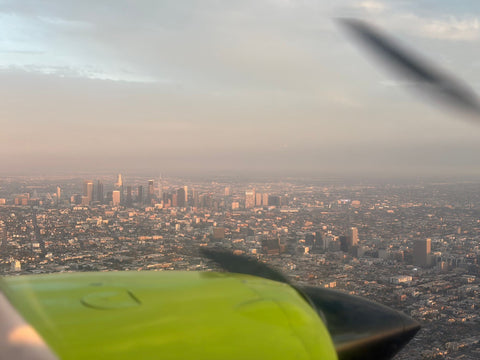
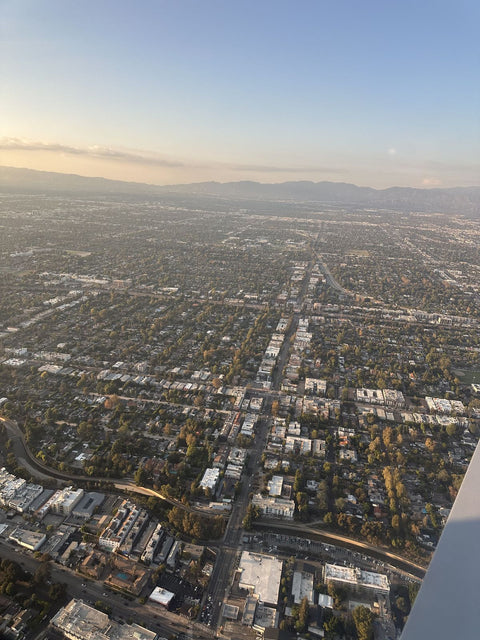
Runway width, runway and terrain slopes, featureless terrain, atmospheric effects such as rain, haze and fog, and ground lighting. The AIM's prevention is to anticipate them on approach, inspect unfamiliar airports from the air before landing, use an electronic glide slope or VASI when available, and stay proficient in landing procedures.
How Does Instrument Training Help?
It replaces a feeling with a habit, the cross-check, practiced until you trust it over your inner ear. The habit has a shelf life. If you go more than six calendar months without meeting the 61.57(c) requirements, 61.57(d) says the only way back to instrument currency is an instrument proficiency check.