The Four Airplanes You Can Book
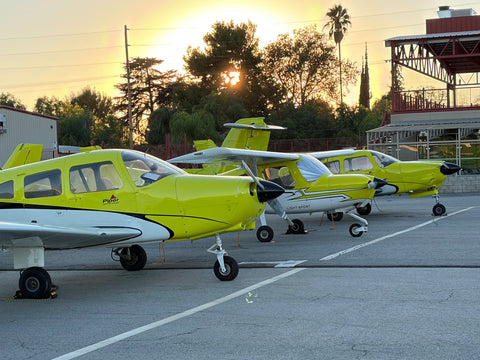
At $349 you get a Skycatcher or a Warrior, and which one depends on what is free that morning. We run six Skycatchers against two Warriors, so the arithmetic usually points at a Skycatcher. The other three rungs you choose by name.

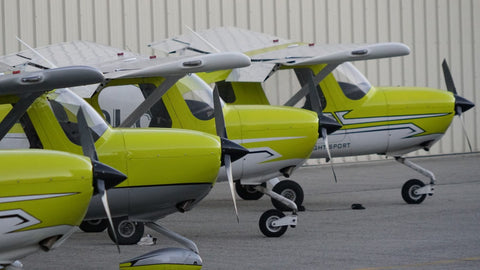
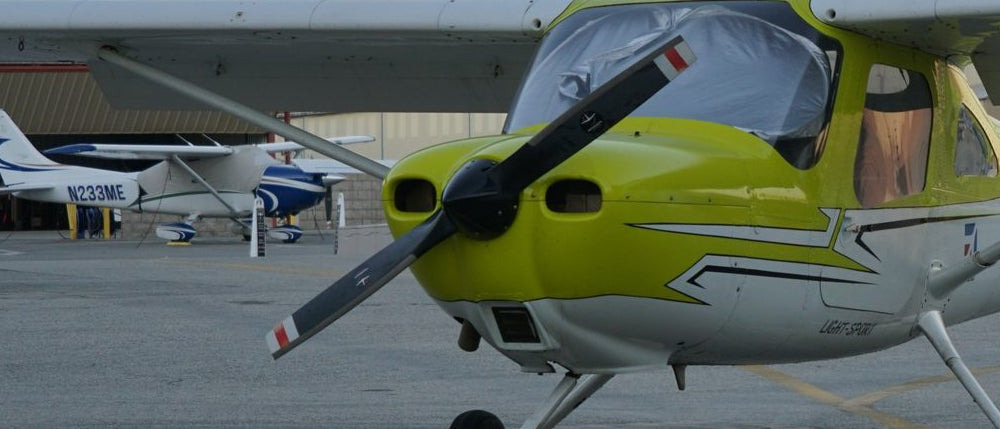
Cessna 162 Skycatcher
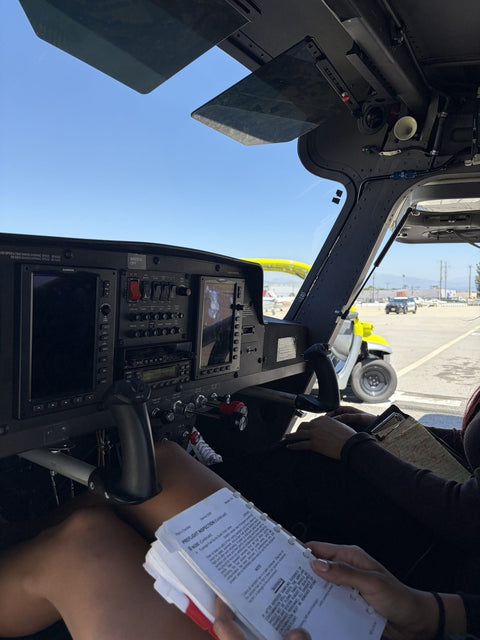
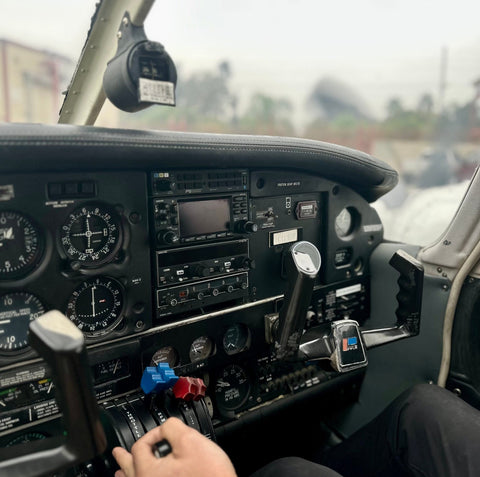
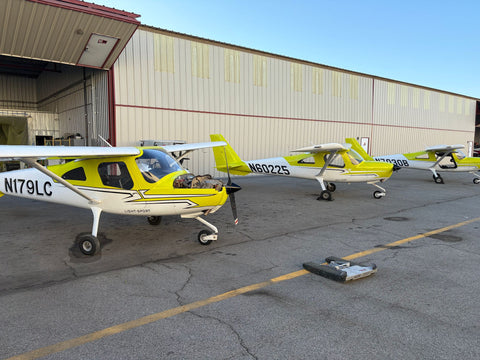
Six of them: N60225, N7030B, N6039M, N179LC, N5208V and N52049. Each has 100 hp, cruises at 118 knots and puts Garmin G300 glass in front of two seats under a high wing. One of the two airplanes on the $349 lesson.
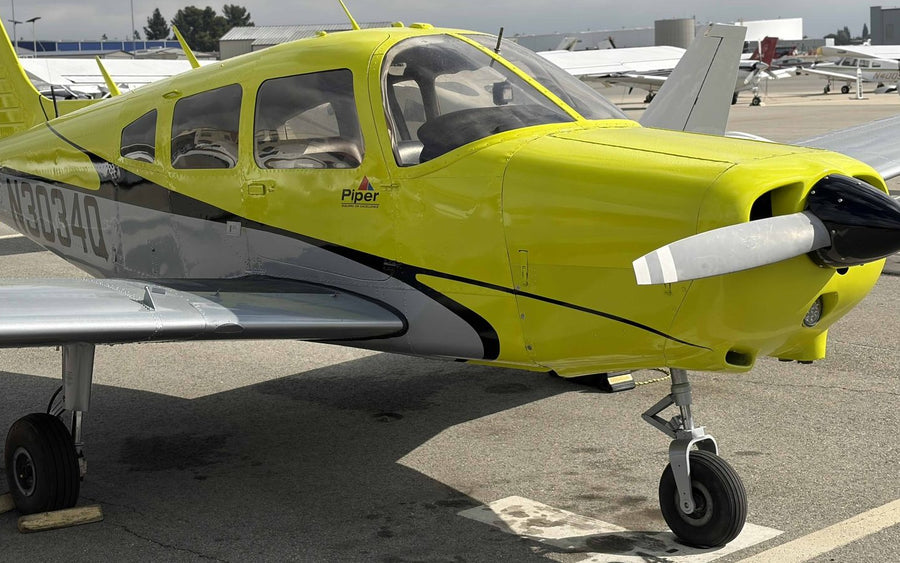
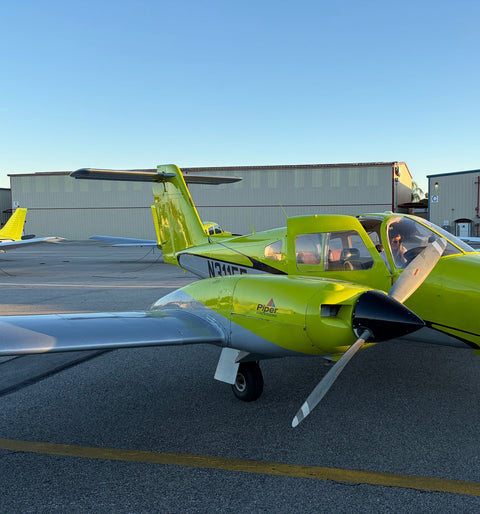
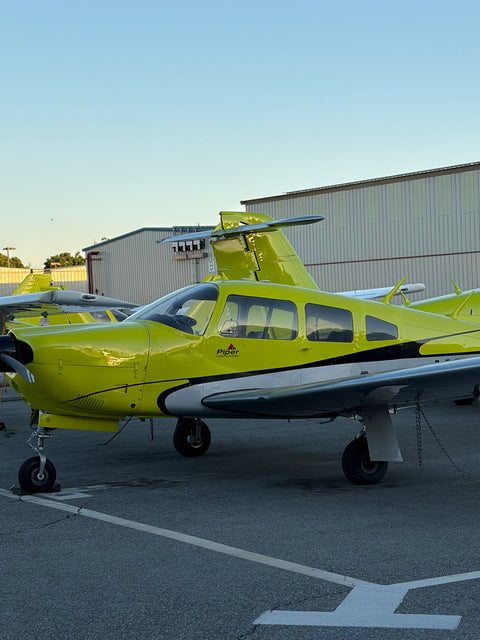
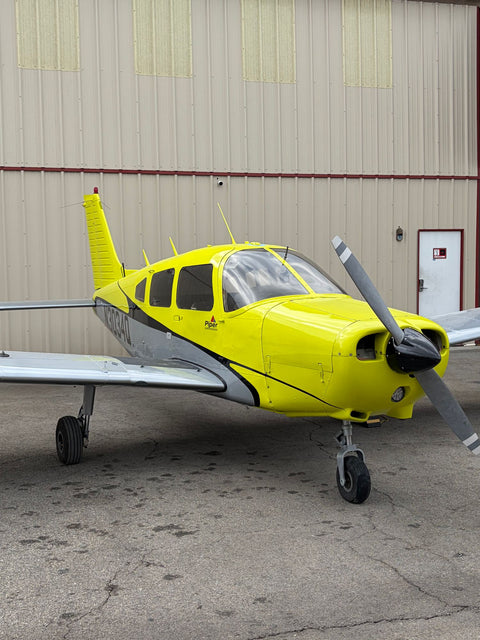
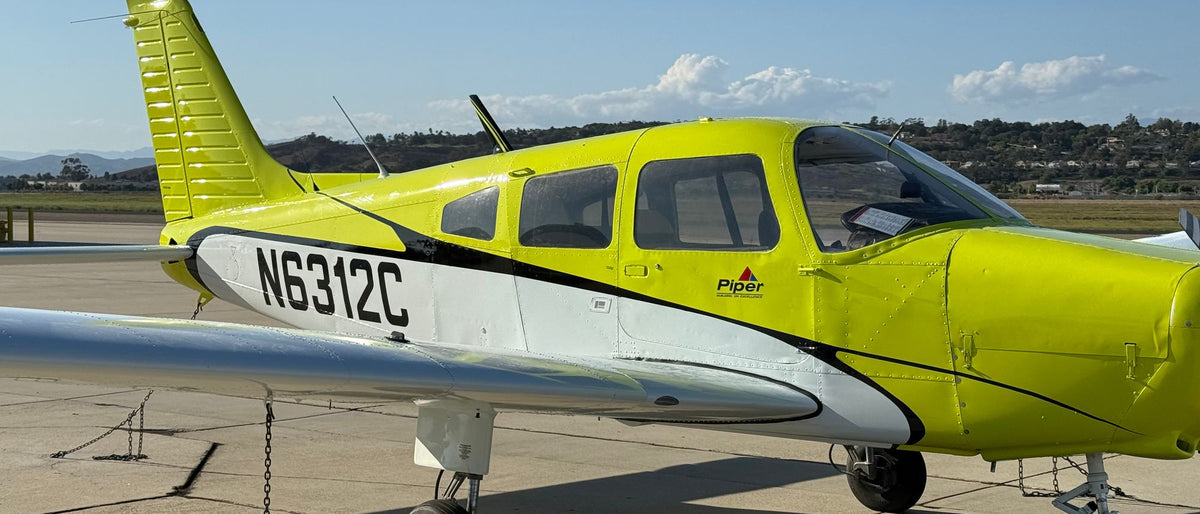
Piper Warrior
Two of them, N3034Q and N6312C, both PA-28-161s. 160 hp, about 128 knots, IFR-equipped, with four seats and a low wing. $349 on its own, or $449 with a guest in the back.

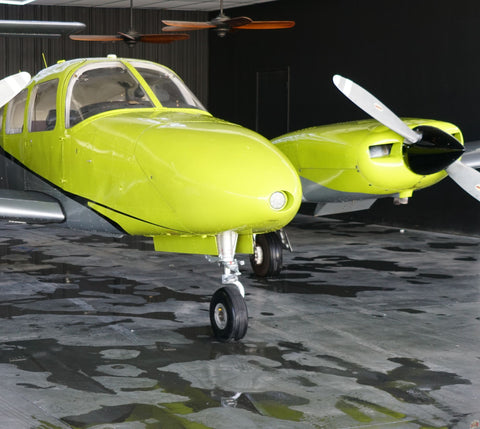
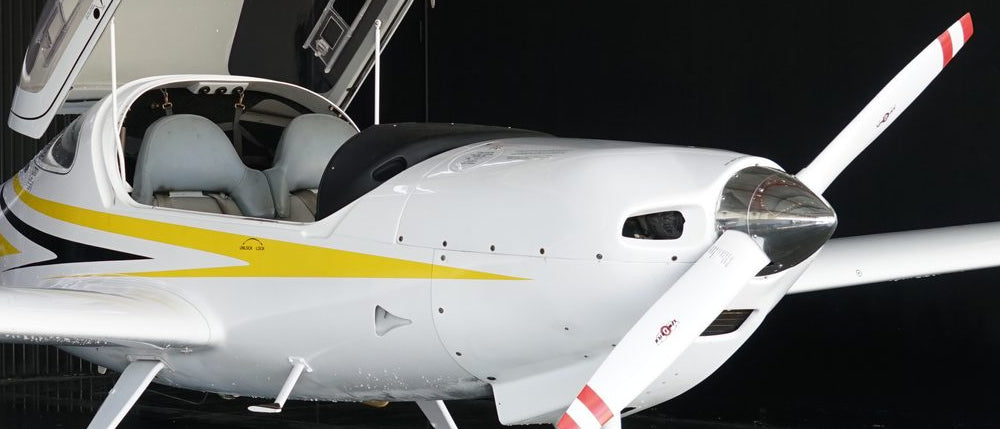
Diamond DA20-C1
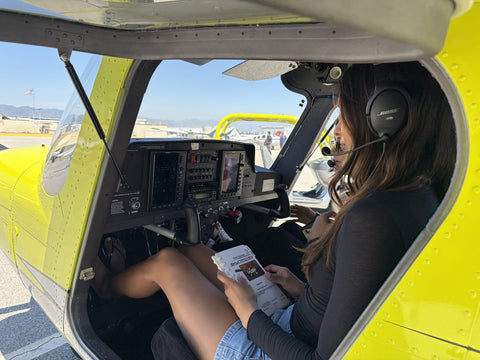
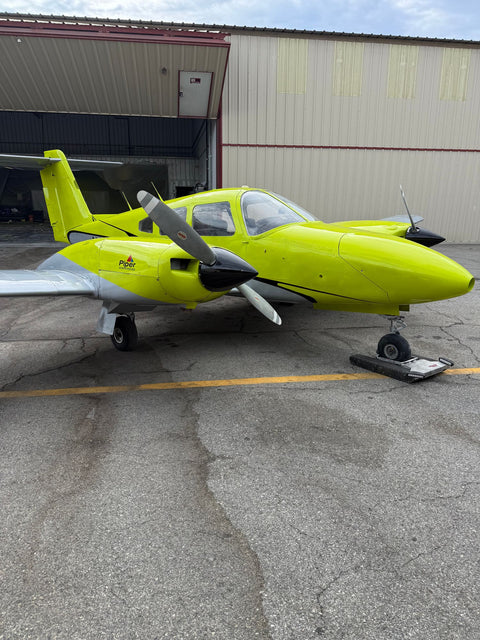
N306EF or N308EF, booked by name at $549. 125 hp and a Garmin 430, with two seats, a stick instead of a yoke and a bubble canopy over a low wing.
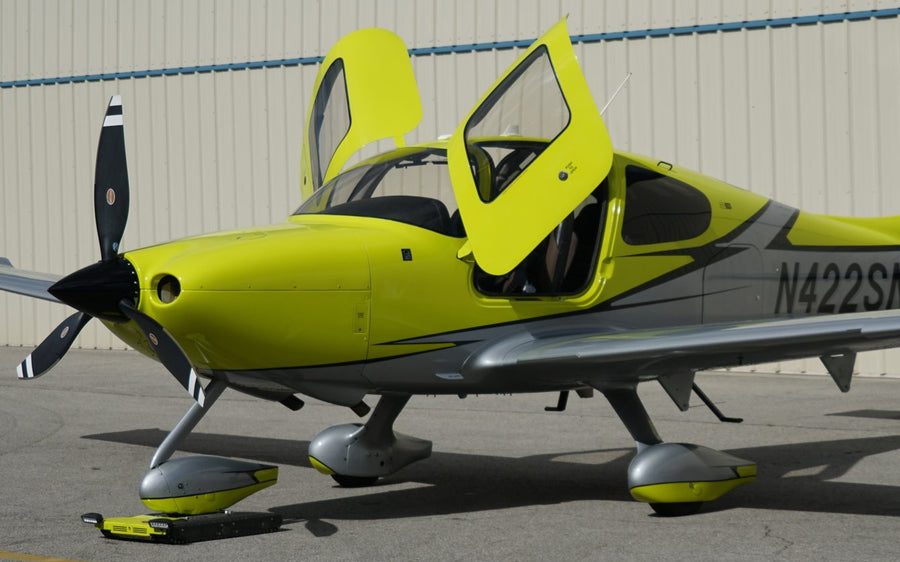
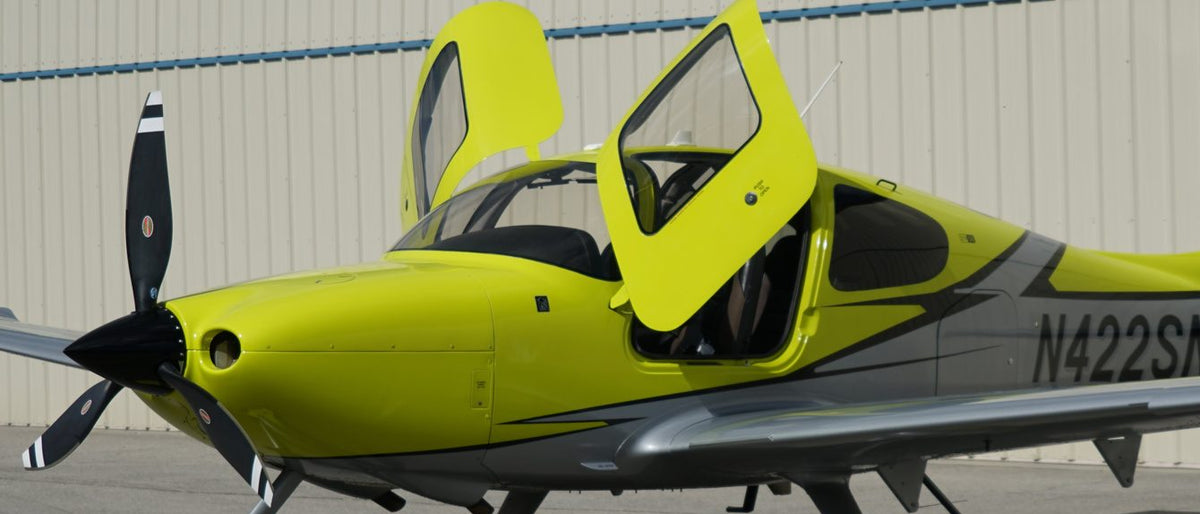
Cirrus SR22 Turbo
N422SN, the only one we have, at $749. 310 turbocharged horsepower, 215 knots, Cirrus Perspective glass, a side-stick and the CAPS parachute for the whole airframe.
High Wing Or Low Wing, And What You Can See
The Skycatcher's wing sits above your head. The Warrior's and the DA20's sit below your hip. That single difference changes more about your first hour than horsepower does.
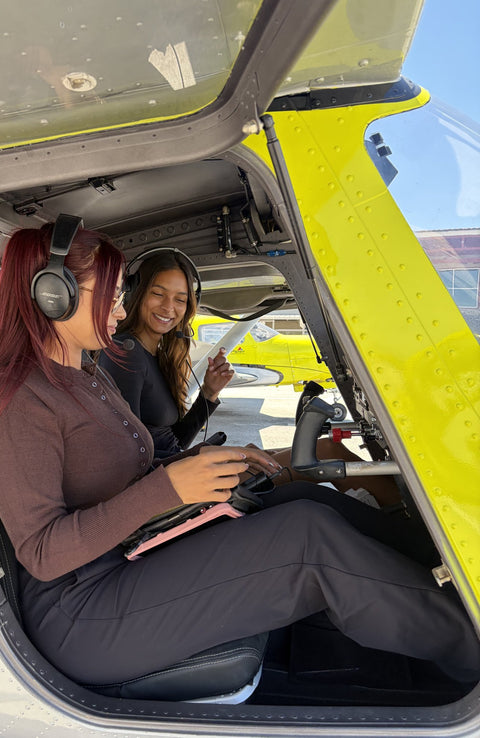
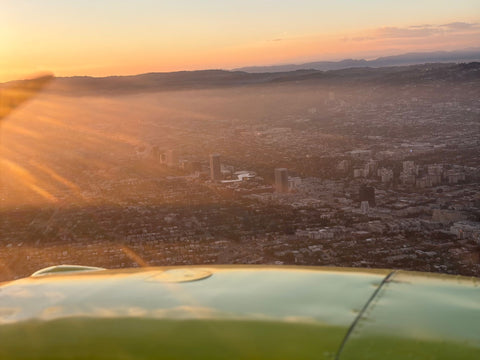
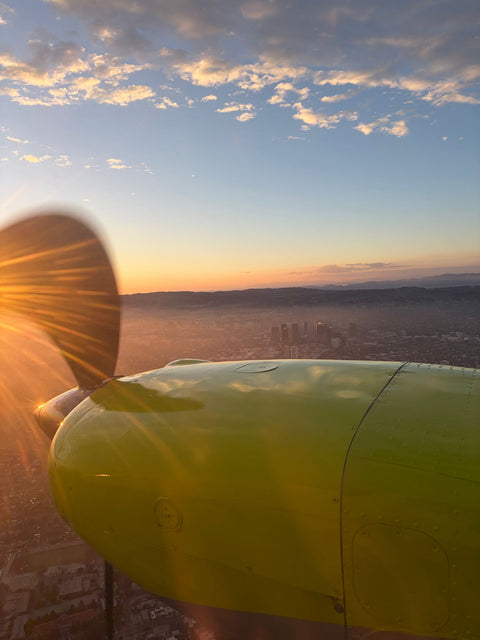
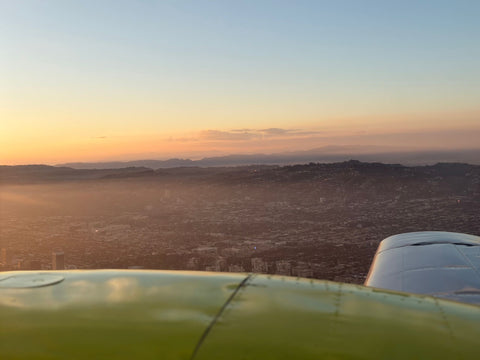
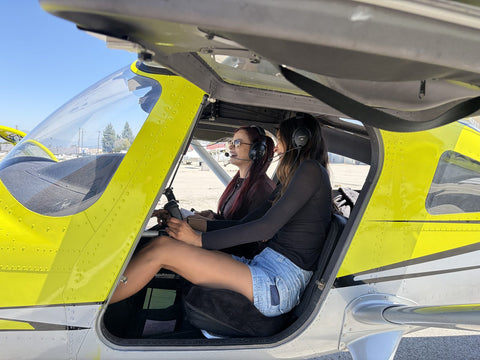
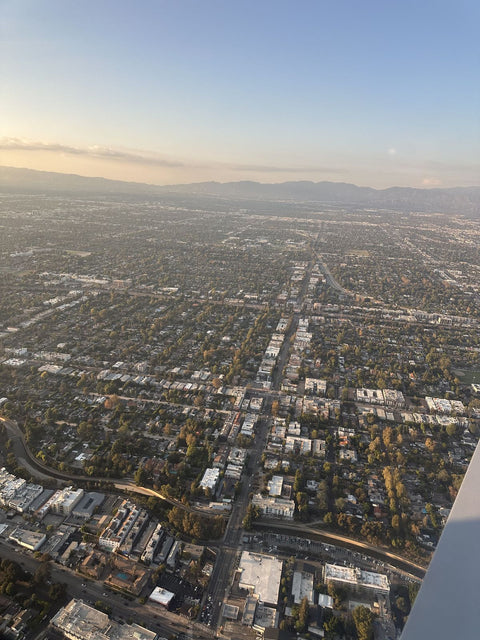
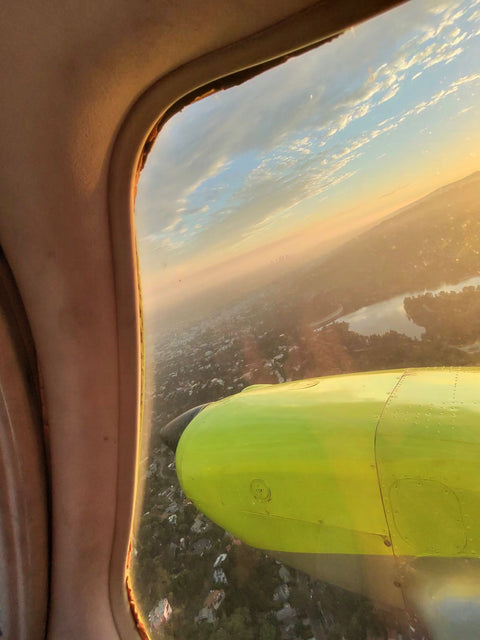
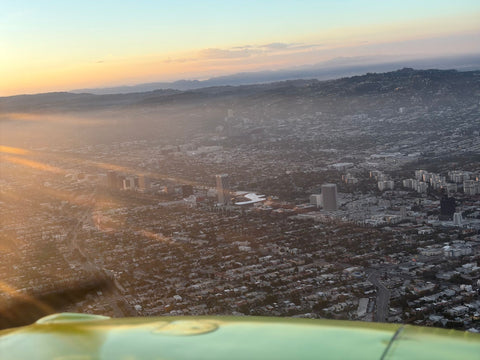
Over a high wing you can see the ground. Roll into a turn in the Skycatcher and the reference you picked stays in the window the whole way around. A low wing trades that for the sky above you, which is where the other airplanes are.
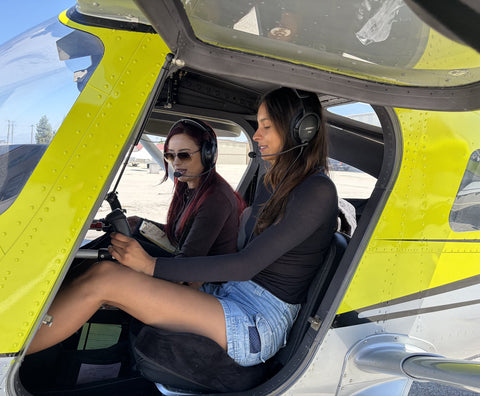
The DA20 refuses the trade. The canopy is a bubble, the wing is low and thin, and you sit with your shoulders above the wing line. It is the best view of the four, and the first thing students mention after they land.
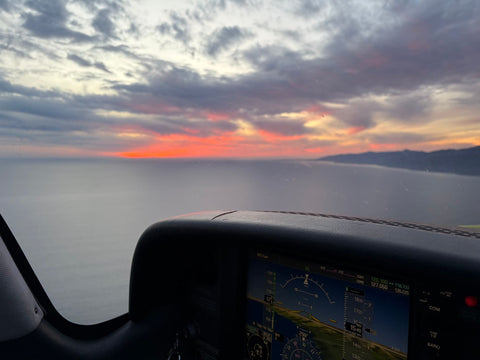
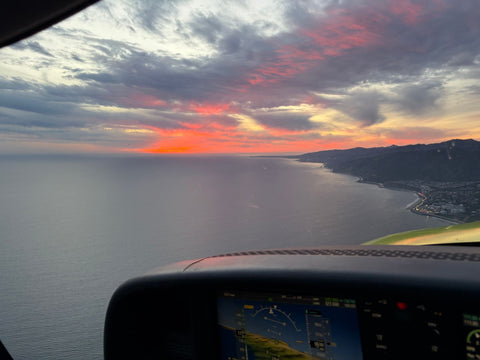
The Cirrus comes last, and not because the glass is bad. The panel in N422SN is more interesting than the window, and on a first lesson that is a cost.
A Yoke Or A Stick
The Skycatcher and the Warrior give you a yoke. The DA20 gives you a stick between your knees, and N422SN has a side-stick.
Nobody has struggled with a first lesson over which one it was. What changes is how much of your arm is in the job. A yoke is shoulders and forearms; a stick is wrist and fingertips, and small inputs are easier to make and therefore easier to overdo.
We think the stick shows you your own mistakes sooner. For some people that is worth $549.
Two Seats Or Four, And Who Can Ride
The Skycatcher and the DA20 seat two. You and your instructor fill them, whatever was promised to anybody at dinner.
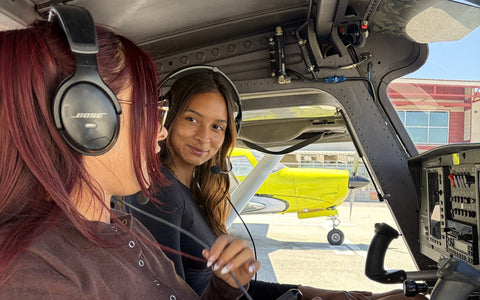
The Warrior has four, which is what the $449 lesson is for. You fly from the left seat, your guest sits in the back on the intercom, and nothing else about the lesson changes. The guest is not charged separately and has nothing to do.
Partners and parents in the back row change the day more than people expect. Some students fly better watched; a few fly worse.
The Cirrus has four seats too, but the $749 lesson takes no guest. If somebody is coming along, the Warrior on the $449 lesson is the only seat for them.
What Each One Forgives, And What It Punishes
The Skycatcher forgives a heavy hand and a late foot. A hundred horsepower sounds like a shortage until you realize it is why the airplane never gets away from you. It punishes a hot, bumpy afternoon over the practice area, because a light airplane moves in the bumps and your first instinct will be to fight it.
The Warrior forgives nearly everything. Sixty more horsepower and a bigger airframe make it steady, and dull in the best sense of the word. It saves its opinions for the landing: most students float the Warrior on the first ten landings of their training, and on 8,001 feet of runway nothing comes of it.
The DA20 forgives less and teaches faster. It is lighter on the controls than the Skycatcher, it is certified in the utility category, and it notices when your feet stop working. It punishes the float the Warrior tolerates.
The Cirrus forgives the weather and punishes your attention. At 215 knots N422SN covers ground about twice as fast as a Skycatcher, so everything on your first lesson happens sooner and closer together. The parachute and the Perspective panel are reassuring, and there is also a great deal more to look at.
Which One We Would Put You In
The Skycatcher on the $349 lesson, if this is your first time in a small airplane. We will defend that.
You can see the ground, which is where your horizon and your references live. A hundred horsepower is slow enough to think in. The Garmin G300 glass is the same kind of panel you would fly behind through the certificate, so nothing you learn in the first hour gets unlearned. There are six of them, so the 9 AM slot you wanted is usually the slot you get.
Take the DA20 instead if you have some stick time already, or if you know you want the certificate. About seventy minutes of flying will tell you whether a stick suits your hands.
The Warrior is the answer if somebody is coming with you, or if the Skycatchers are booked.
Take the Cirrus if you came for N422SN rather than for the lesson. We will not talk you out of it, but about seventy minutes in a remarkable airplane is not the same purchase as the most efficient first lesson money buys here.
If weather or nerves are deciding this for you, the $249 lesson in the full-motion simulator never gets cancelled for weather.
Weight Limits For Each Airplane
The limits run the opposite way to the prices. The two airplanes on the $349 lesson are the tighter ones.
Weight Limits On The Beginner Lessons
| Lesson |
Price |
Weight limit |
| Cessna 162 Skycatcher |
$349 |
180 lb per person |
| Piper Warrior |
$349 |
180 lb per person |
| Piper Warrior with a guest |
$449 |
180 lb per person, 360 lb combined |
| Diamond DA20-C1 |
$549 |
200 lb for the person flying |
| Cirrus SR22 Turbo |
$749 |
200 lb for the person flying |
| Redbird MCX simulator |
$249 |
No limit |
If you are close to a number, call (818) 330-1318 and talk it through with the office before you book.