







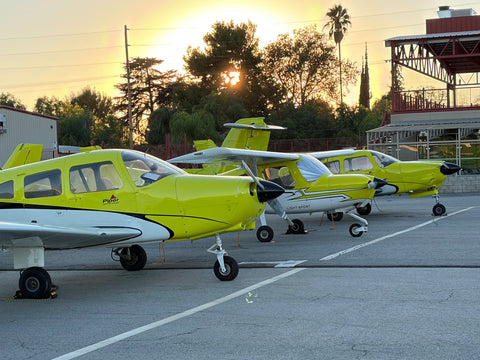
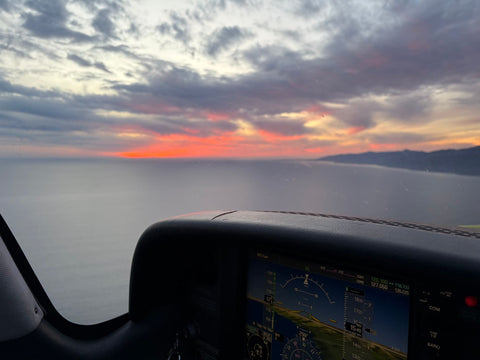
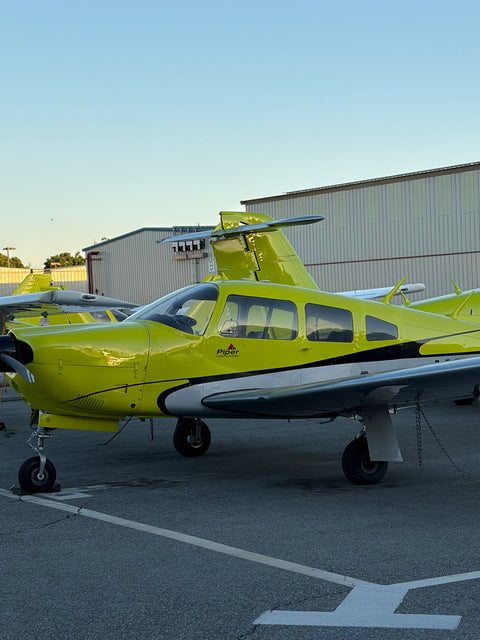
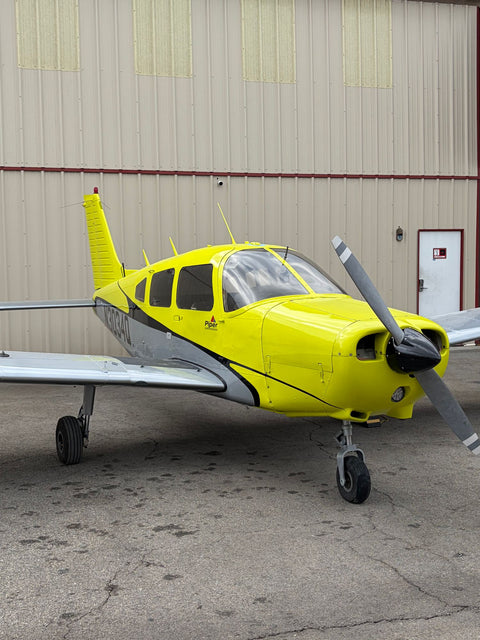








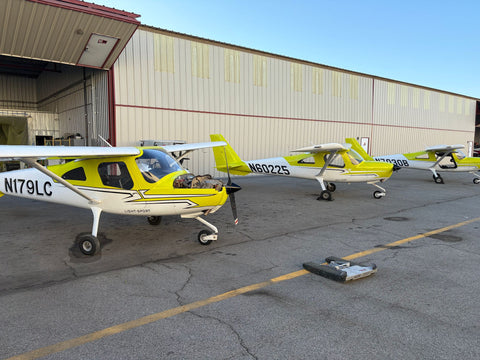




Learning to fly as a Sherman Oaks resident means training at Van Nuys Airport, and it takes most people five to eight months of flying twice a week to reach a private pilot certificate. This page is about the process itself rather than the drive: what the first lesson contains, where you will practice, how the calendar fits around a working week, and what each milestone costs.
We are You Fly LA at 7900 Balboa Blvd, Main Terminal Unit 108. The step-by-step national picture is on our pillar page, learn to fly in Los Angeles. If what you actually want is the drive, the parking and the route up the 405, that is covered on flight school near Sherman Oaks. Want to try it before you commit? Book a discovery flight from Sherman Oaks.

Your First Lesson, Hour By Hour
Allow three hours at the airport for one hour in the air. That ratio holds for the whole course, and planning around it is the single best thing you can do for your training.
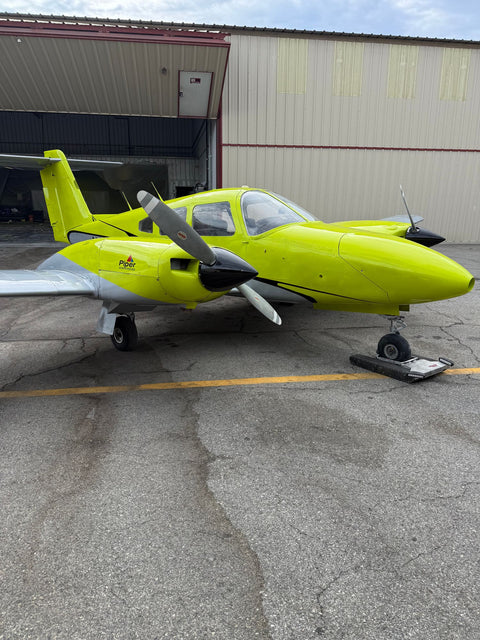
The first five minutes or so are a briefing at a table. Your instructor draws the lesson: what you will do, in what order, what success looks like, and what the airplane will feel like when you do it. Then you go out to the airplane and do the walkaround together, which is not a ritual but a systematic inspection of fuel, oil, control surfaces, tires and everything else that has to be right before an engine start.
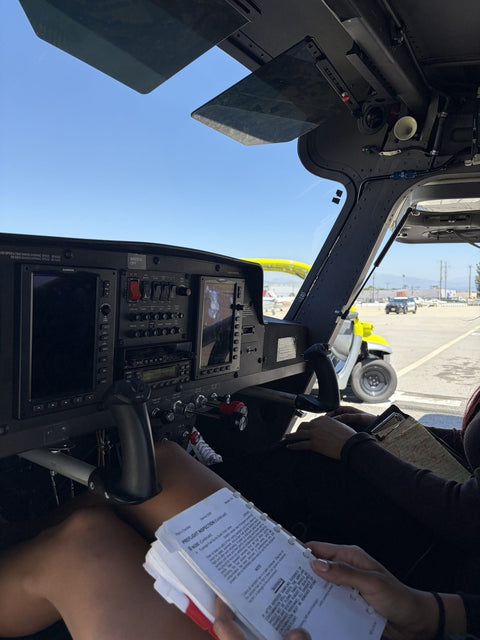
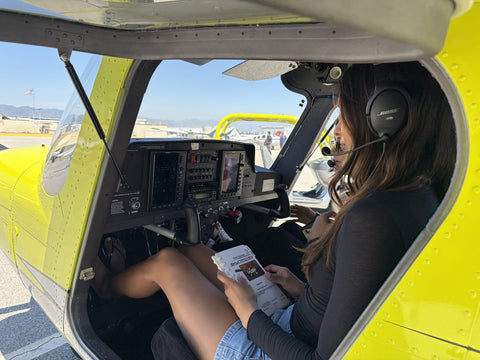
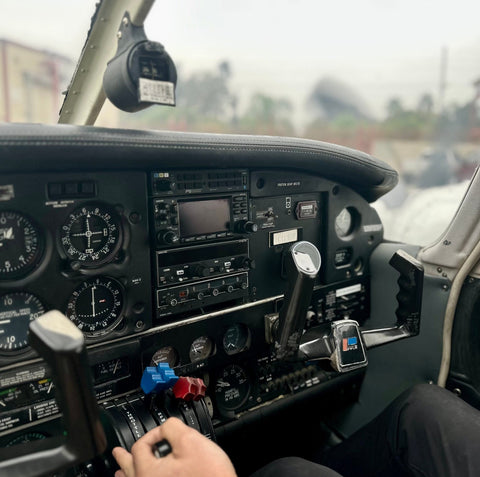
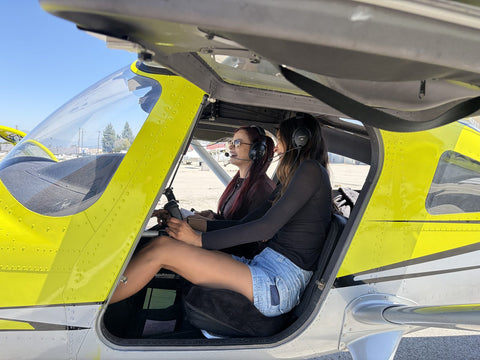
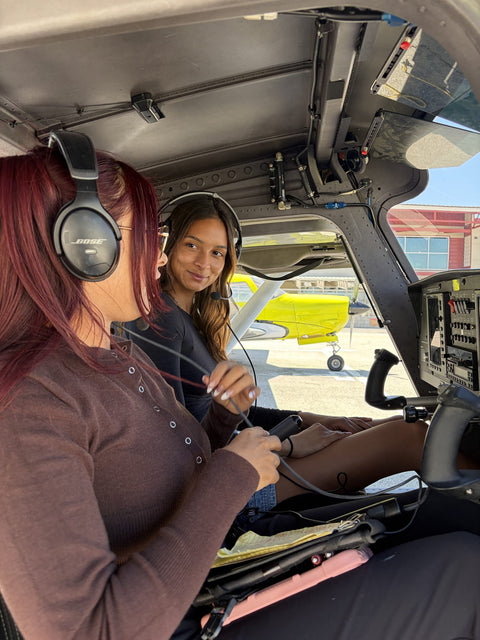
You sit in the left seat. That is not a courtesy; it is where the pilot flying sits, and you will handle the controls for most of the hour from taxi onwards. Your instructor works the radio on the first flight and talks you through what is being said, because Van Nuys is a Class D tower beneath the Burbank Class C, just north of the Los Angeles Class B, and the radio is busy from the moment you call for taxi.
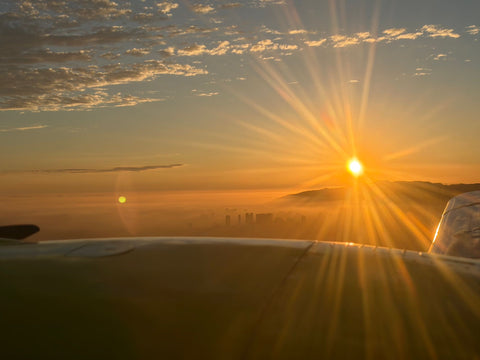
After takeoff you climb out, level off, and spend most of the flight doing three things: straight and level, turns, and climbs and descents. That is the entire foundation of flying an airplane, and an hour of it is genuinely tiring. You will fly the approach back to the field, and your instructor will take the landing or fly it with you on the controls.
Then a debrief. Your instructor writes the lesson into a logbook, and that entry is the first line of a document you will keep for the rest of your flying life. Bring your own pilot logbook for it; we do not provide logbooks. If you started with a discovery flight at $229, all of it counts as dual instruction toward the 40-hour minimum, and the whole fee credits toward a course if you enroll within twenty-four hours.
Where A Sherman Oaks Student Actually Practices
Most of your early hours are split between the traffic pattern at Van Nuys and open airwork away from the field, and which direction you go depends on the runway in use that day.
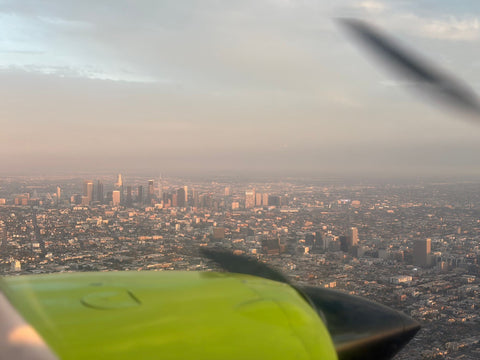
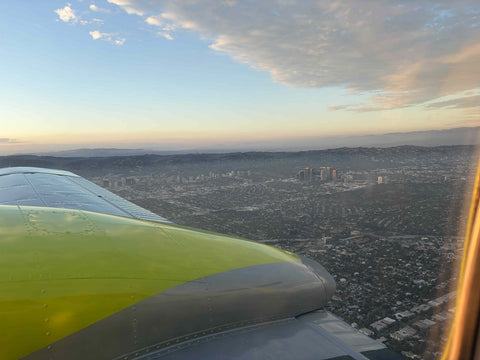
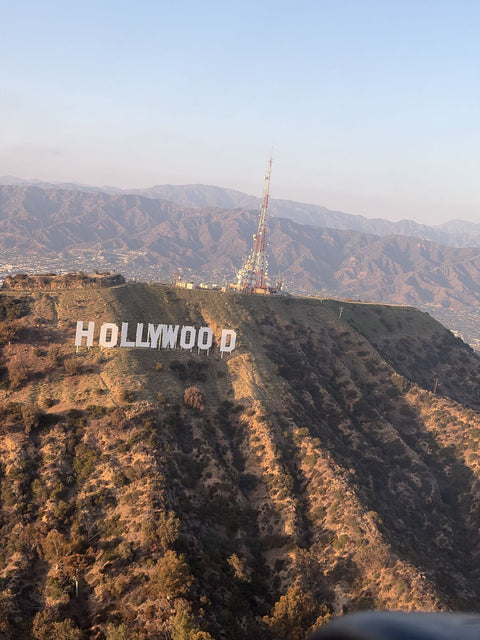
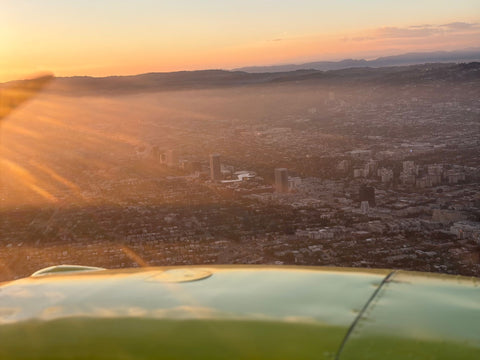
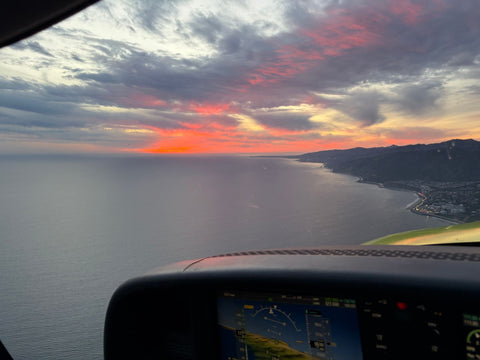
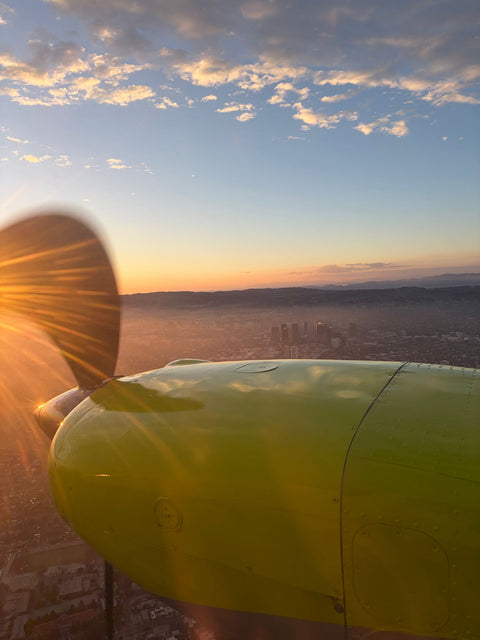
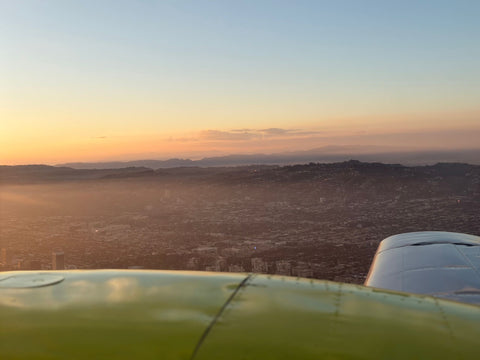
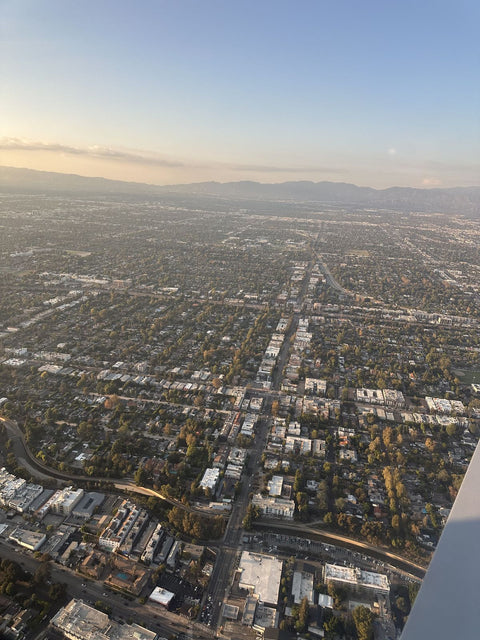
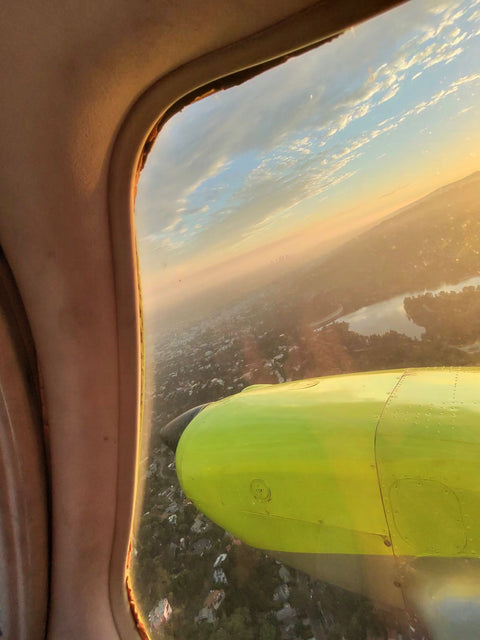
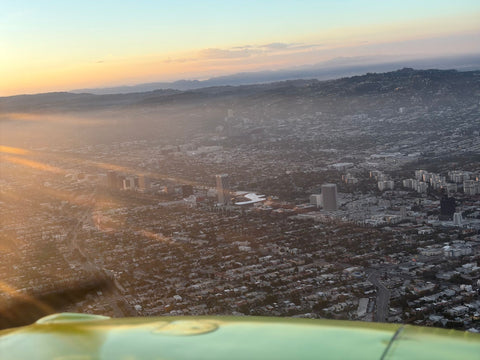
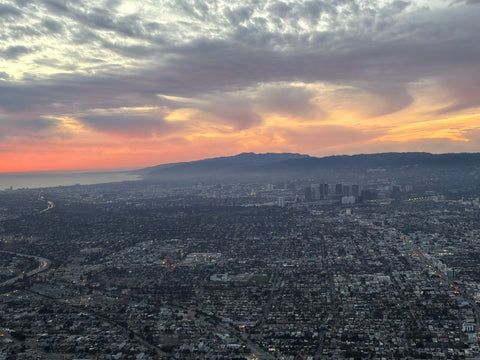
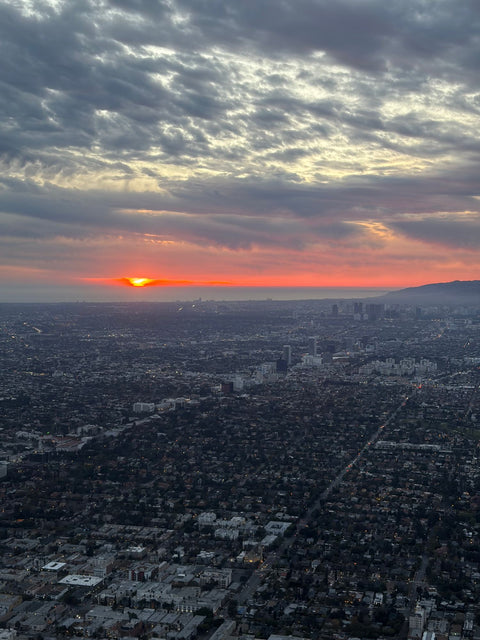
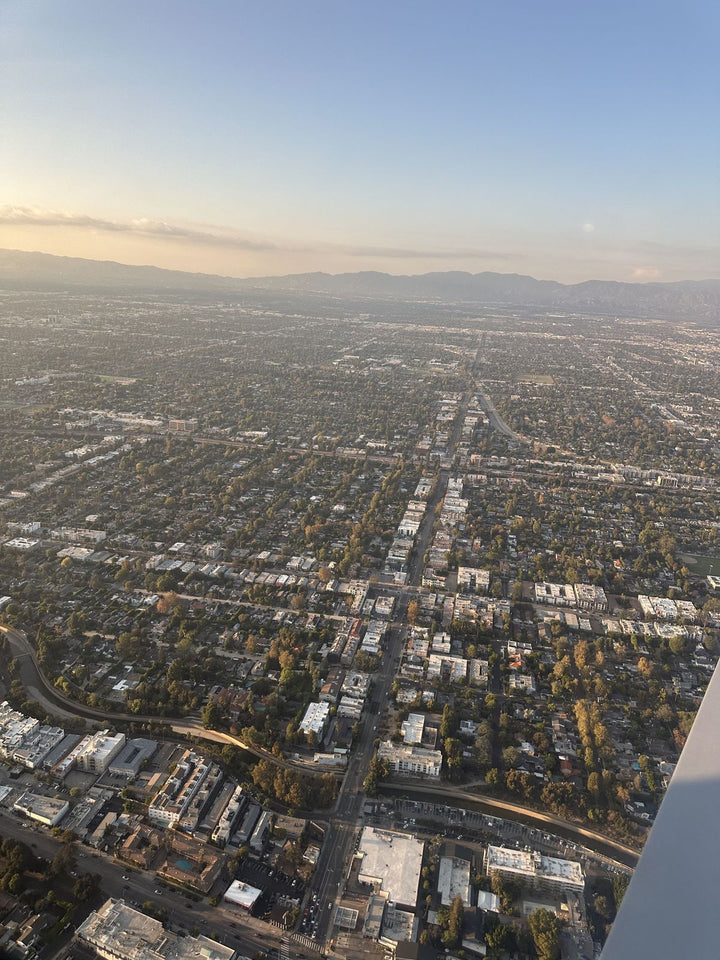
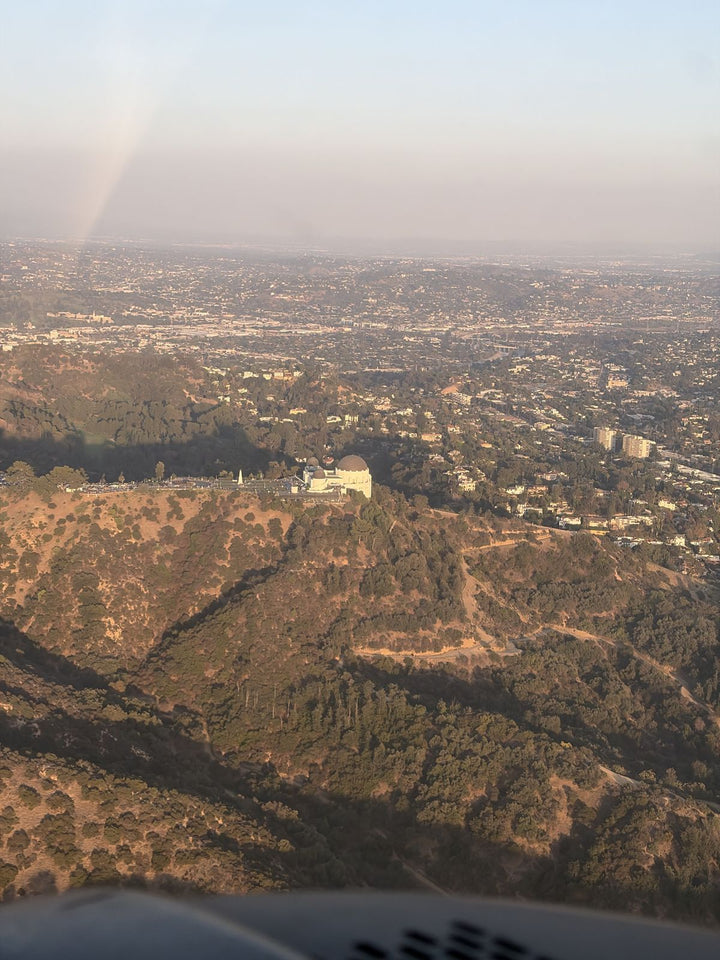
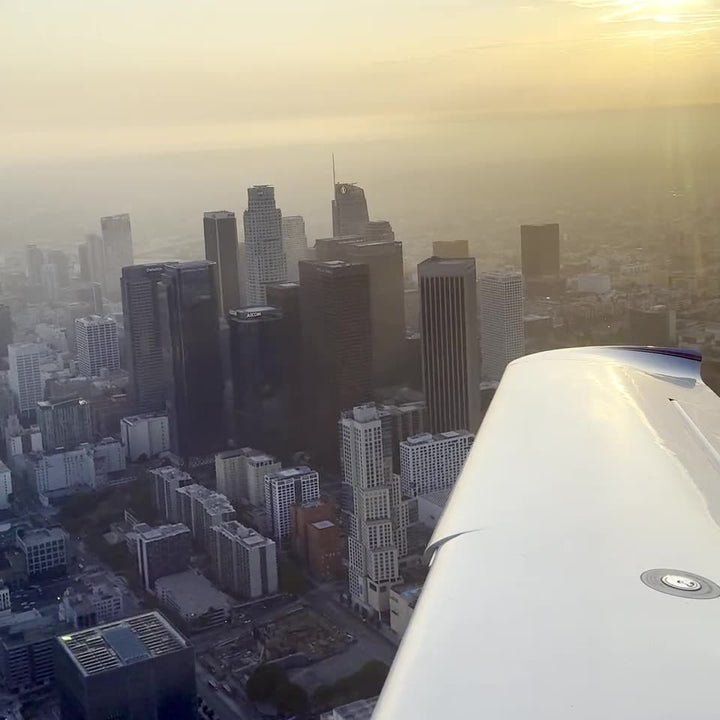
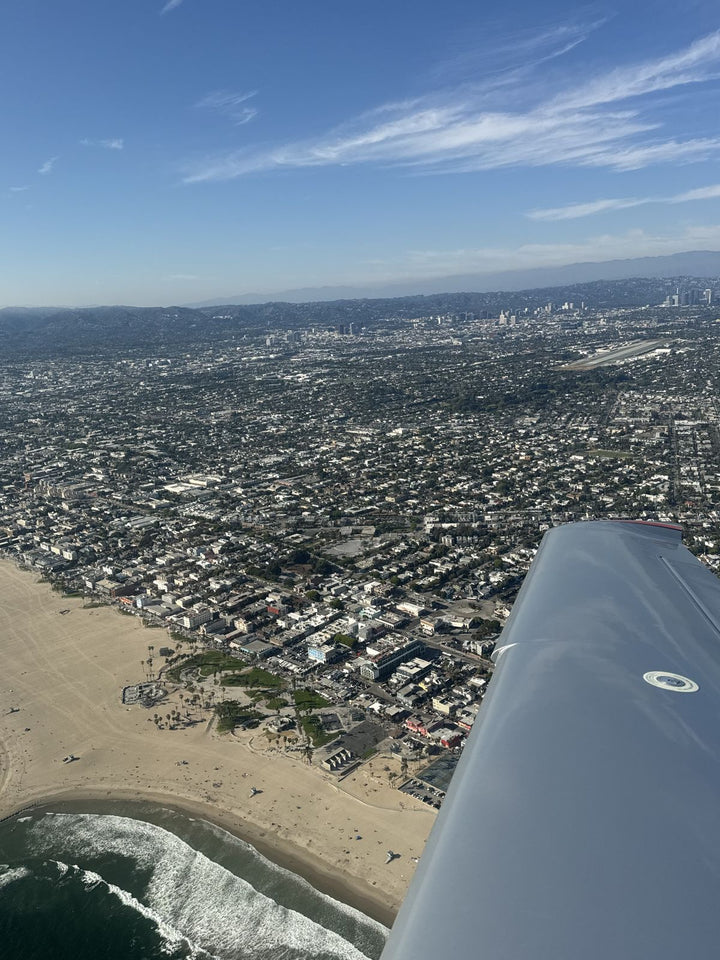
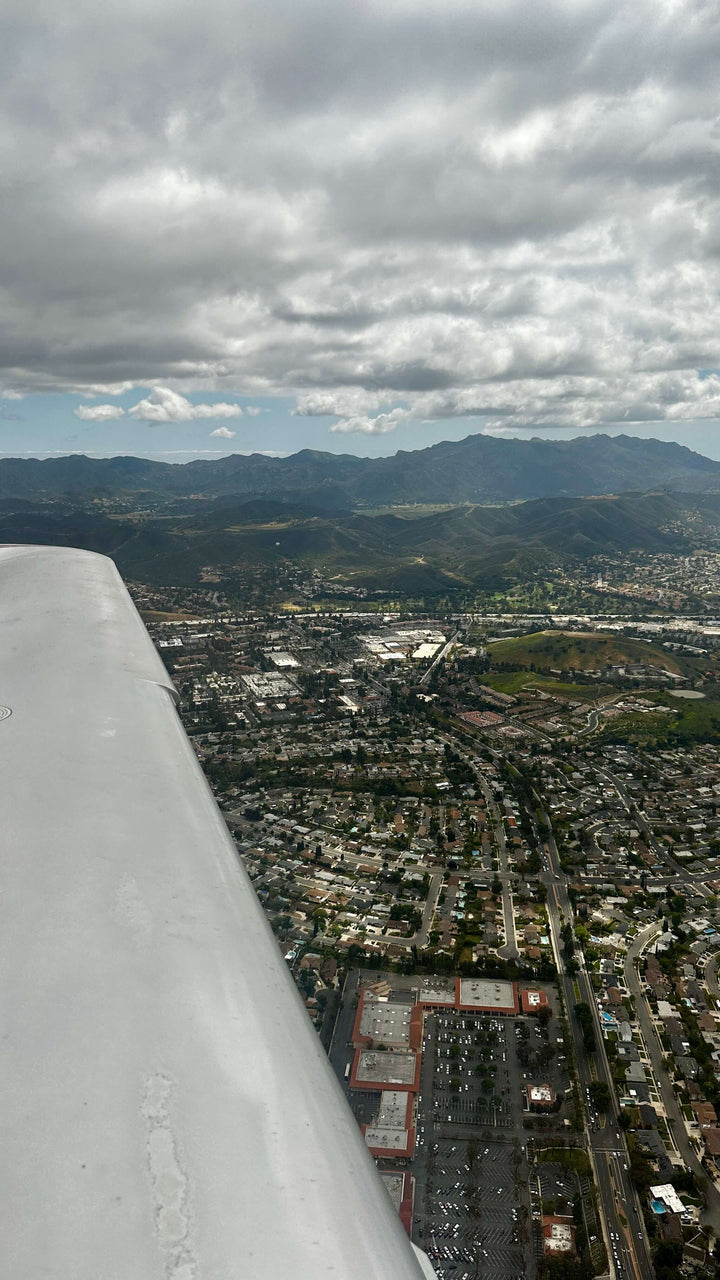
On a southbound departure from runway 16 you are over the Sepulveda Basin within ninety seconds, with Sherman Oaks, Ventura Blvd and the 405 climbing into the Sepulveda Pass laid out ahead of you. That is the view you will recognize first, and on a clear day the Getty, Westwood and the ocean are all in the same windscreen. Stay out of it: the Class B shelf steps down over the pass, and learning exactly where those steps are is part of your airspace training.
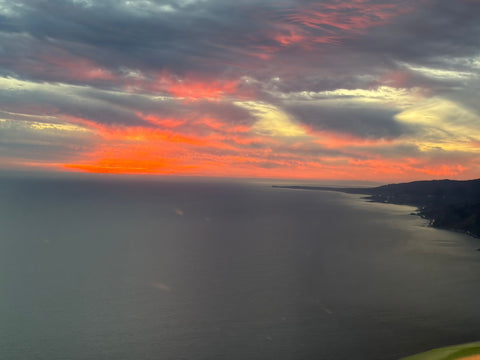
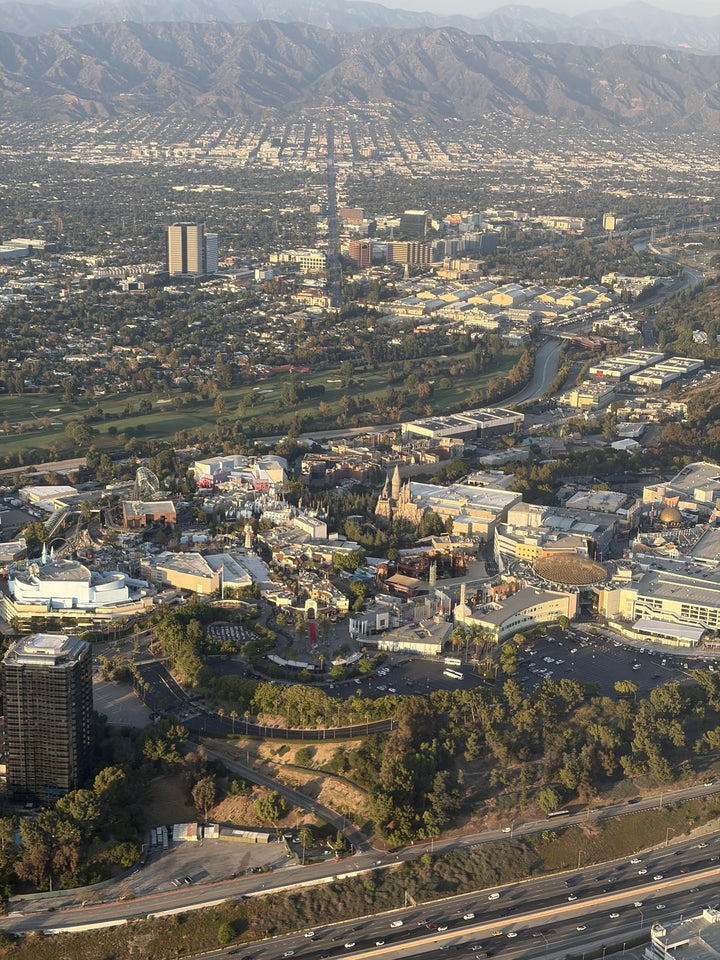
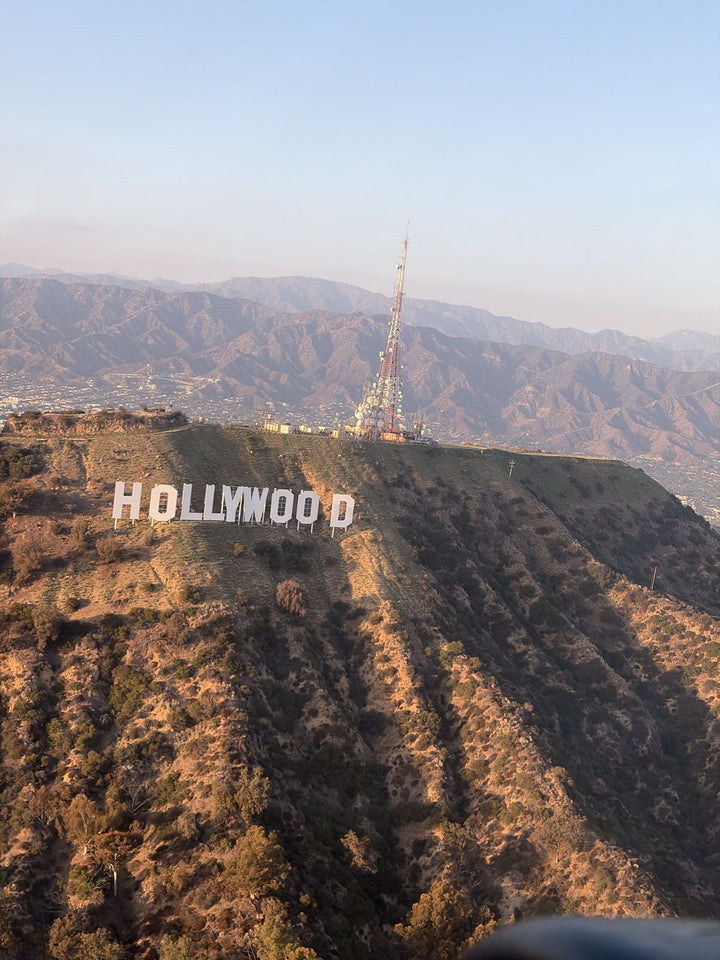
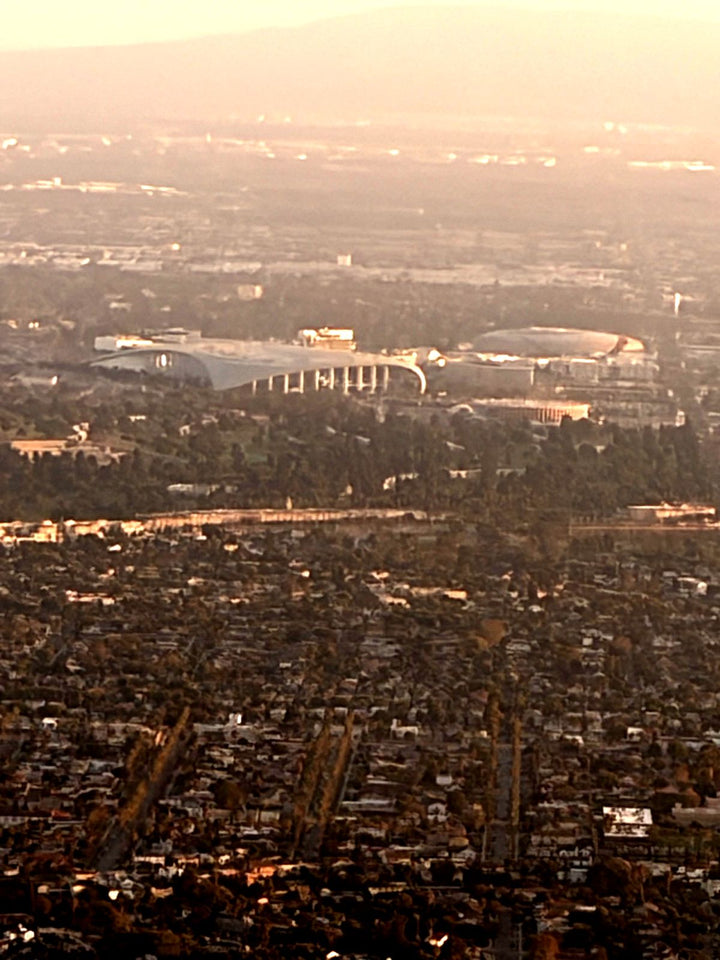
Airwork proper mostly happens north and west of the field, over the open ground toward Chatsworth, the Santa Susana hills and the northern rim of the Valley, roughly eight to twelve minutes from wheels-up. The ground there is uncluttered, the airspace is quieter, and there is somewhere to put the airplane down in a practice engine failure, which is why instructors choose it. Stalls, slow flight, steep turns and emergency procedures happen there, and the exact area your instructor picks depends on traffic and the day.
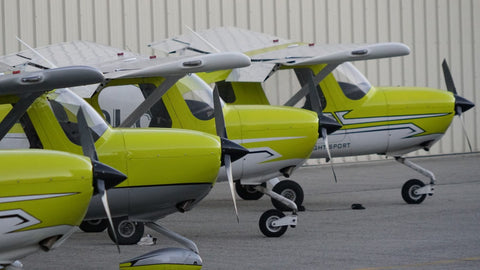
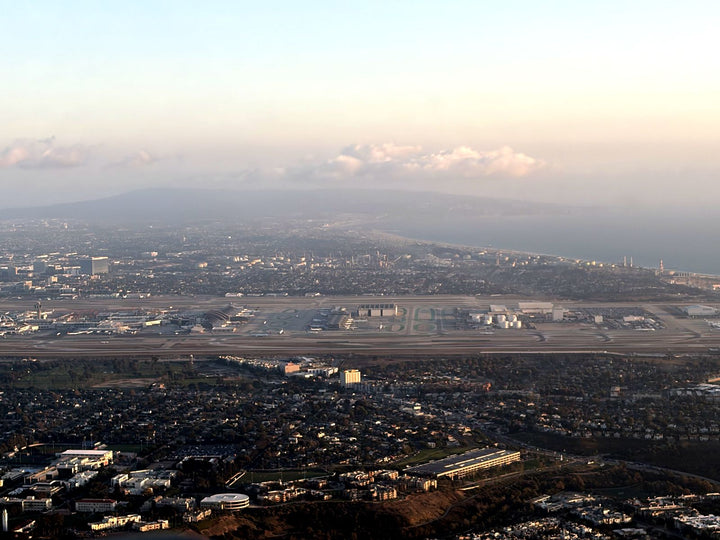
Pattern work happens at Van Nuys itself, and this is where training at a two-runway field earns its keep. Light trainers usually work 16L/34R, the 4,013-foot runway, while business jets use the 8,001-foot parallel. Your landings do not queue behind a Gulfstream, which at a single-runway airport they would.
A Training Calendar That Fits A Sherman Oaks Week
Sherman Oaks is close enough that twice a week is realistic and three times is possible. Take the twice-weekly plan seriously, because the difference is money rather than pride.
The FAA minimum is 40 hours under 14 CFR 61.109. Students flying twice a week typically finish in the mid-fifties to mid-sixties. Students flying twice a month typically pass eighty, because each lesson opens with twenty minutes of recovering last month's skills. At $179 per hour for the airplane inside a package plus $110 per hour for the instructor, twenty surplus hours is over five thousand dollars.
The pattern that works: one early weekday slot and one weekend morning. Take the 6:30 or 7:00 weekday slot. The air over the Valley is smooth before the sun works on it, the pattern is quiet, and you drive north on the 405 against the commute. In summer the same logic applies to weekends, because heat builds turbulence and density altitude from about eleven onwards.
Expect ground study between lessons. Roughly two hours of reading and chair-flying for every hour in the airplane is a fair estimate, and the students who do it are the ones who finish nearer 55 hours than 75.

The Milestones, In The Order They Happen
Lessons one to ten. Basic handling, the traffic pattern, and landings. Landings take longer than anything else and are the part everyone finds hardest. This is normal.
The medical. You need an FAA medical certificate before you solo, not before you start. Book it in your first month with an Aviation Medical Examiner. Details on the FAA medical certificate in Los Angeles.
First solo. Under 14 CFR 61.87 you must pass a written pre-solo knowledge test covering the applicable parts of 61 and 91, the airspace at your airport and the aircraft's limitations; receive and log training on the listed maneuvers; and hold a logbook endorsement from an instructor who has flown with you within the preceding 90 days. Most students solo somewhere between 15 and 25 hours.
Cross-country and night. 14 CFR 61.109 requires three hours of cross-country training, three hours of night training including a flight of more than 100 nautical miles and ten takeoffs and landings, three hours of instrument training, and ten hours of solo including a 150-nautical-mile solo cross-country. A tower open until 2245 is what makes the night requirement a weeknight rather than a project.
The written exam. Two hours at a PSI testing center, about $175. Take it before the checkride and preferably before your solo cross-countries.
The checkride. An oral and a flight with a designated pilot examiner. Examiner fees in Southern California run roughly $800 to $1,000 and are paid to the examiner, not to us.
What It Costs
| Item | Price |
|---|---|
| Discovery flight, 60 / 90 / 120 minutes | $229 / $299 / $399 |
| Sport Pilot course | $8,400 |
| Private Pilot course, Standard | $10,400 |
| Private Pilot course, Comprehensive | $15,400 |
| Aircraft, package rate inside a course, per hour | $179 |
| Flight or ground instruction, per hour | $110 |
| Redbird MCX simulator inside a package, per hour | $120 |
| FAA knowledge test at a PSI center | About $175 |
| Designated examiner fee for the checkride | Roughly $800 to $1,000 |
Books and materials are included in course prices. Payment runs as interest-free direct installments over up to twelve months, typically $2,500 down and four payments of $1,975 on the Standard course, or through Stratus Financial over a longer term with a soft credit check.
Related Reading
- Learn to fly in Los Angeles — the full step-by-step process and every certificate.
- Flight school near Sherman Oaks — the drive, the routes and the local detail.
- Learn to fly in Studio City — the same process from over the hill.
- Private pilot license in Los Angeles — the certificate in full.
- Your first solo flight — what 14 CFR 61.87 actually requires.
- Flyable days at Van Nuys — how often weather cancels a lesson.
- Service areas around Van Nuys — drive times from every neighborhood we serve, on one page.
Learning To Fly In Sherman Oaks FAQ
Can You Learn To Fly In Sherman Oaks?
Not in Sherman Oaks itself, because there is no airfield there. Sherman Oaks residents learn at Van Nuys Airport, about seven miles north, which is the nearest field with a training fleet.
How Long Does It Take To Learn To Fly?
Flying twice a week, five to eight months to a private pilot certificate and somewhere between 55 and 70 hours against the 40-hour minimum in 14 CFR 61.109. Flying less often makes it longer and more expensive, not cheaper.
What Happens In The First Flying Lesson?
A briefing, a walkaround, about an hour in the air from the left seat doing straight and level flight, turns, climbs and descents, then a debrief and a logbook entry. Allow three hours at the airport.
Where Do You Practice Away From The Airport?
Mostly north and west of Van Nuys over open ground toward Chatsworth and the Santa Susana hills, about eight to twelve minutes after takeoff. Pattern work and landings happen at Van Nuys itself.
How Much Does It Cost To Learn To Fly?
Our Private Pilot Standard course is $10,400 and Sport Pilot is $8,400, both including books and materials. Pay as you go is $179 per hour for the airplane in a package plus $110 per hour for the instructor. The FAA written test is about $175 and the examiner fee is roughly $800 to $1,000.
When Do You Fly Solo?
Most students solo between 15 and 25 hours. 14 CFR 61.87 requires a pre-solo knowledge test, logged training on the listed maneuvers and a logbook endorsement from an instructor who has flown with you within the previous 90 days.
Do I Need A Medical Certificate Before I Start?
No. The FAA medical certificate is required before your first solo. Book the exam with an Aviation Medical Examiner during your first month of training.
Is Twice A Week Really Necessary?
It is the difference between finishing near 55 hours and finishing past 80. Twenty surplus hours at package rates costs more than five thousand dollars, so frequency is a budget decision as much as a scheduling one.
Book The First Hour
Everything above starts with one flight. A discovery flight is $229 for sixty minutes, you fly it from the left seat with an instructor beside you, it is logged as dual instruction toward your certificate, and the full amount credits toward a course if you enroll within twenty-four hours. If you would rather plan the calendar and the budget first, book a free consultation. Call (818) 330-1318 any day between 9 AM and 9 PM. We are at 7900 Balboa Blvd, Main Terminal Unit 108, Van Nuys, CA 91406.