
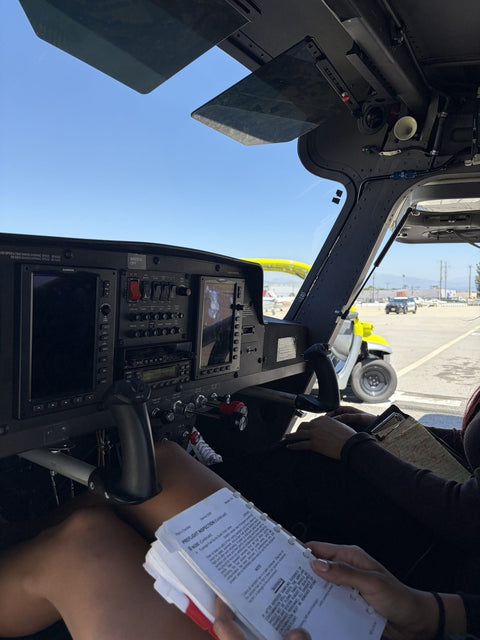
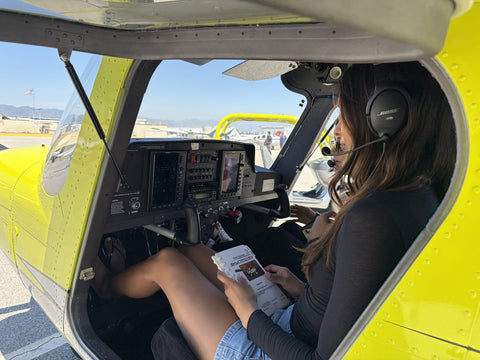



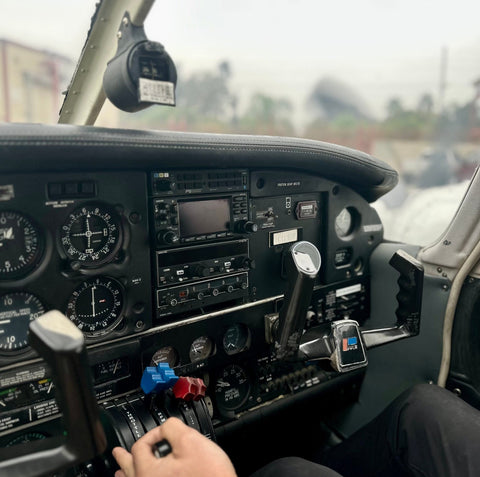



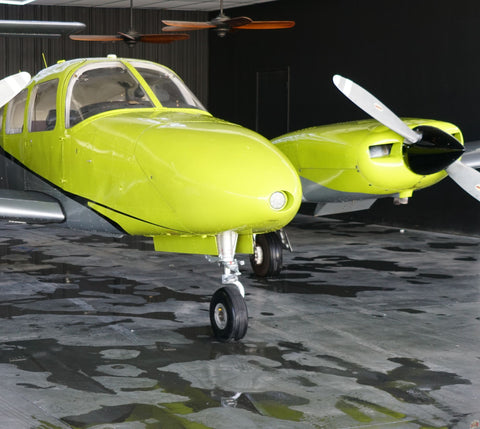

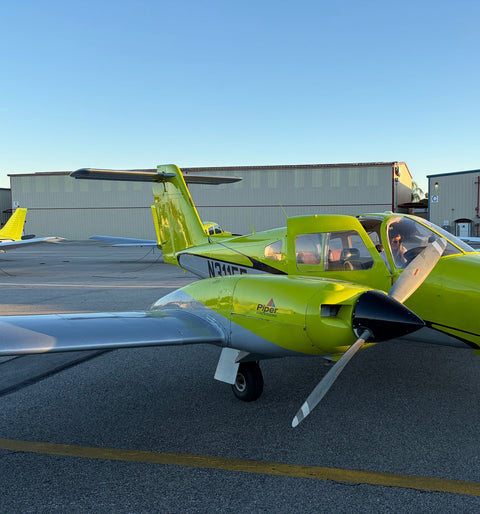


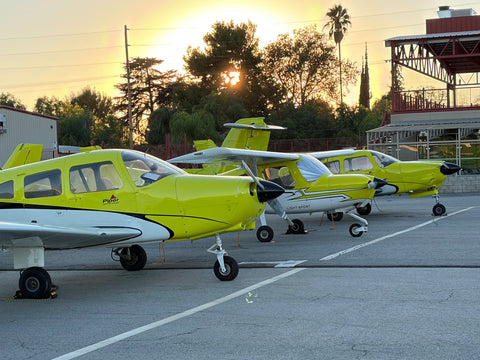
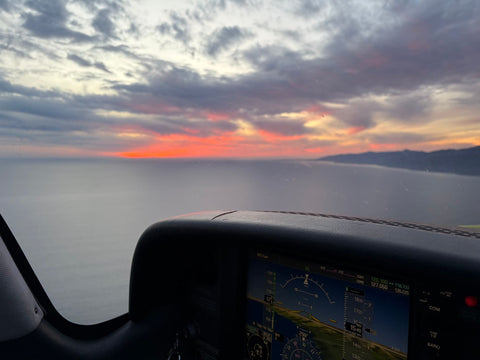
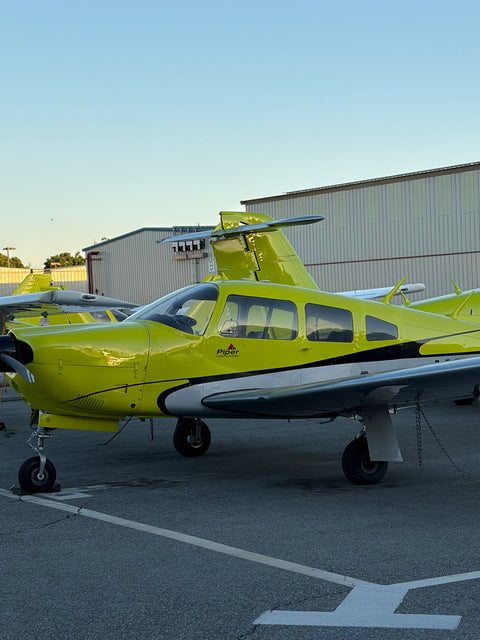
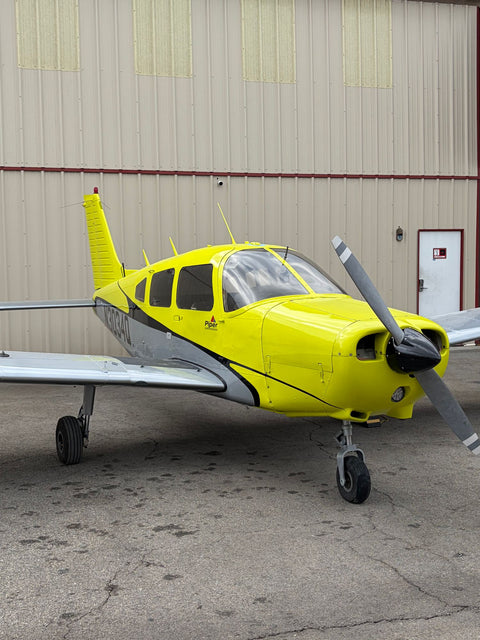

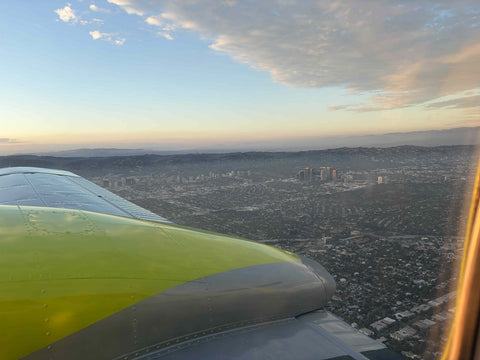





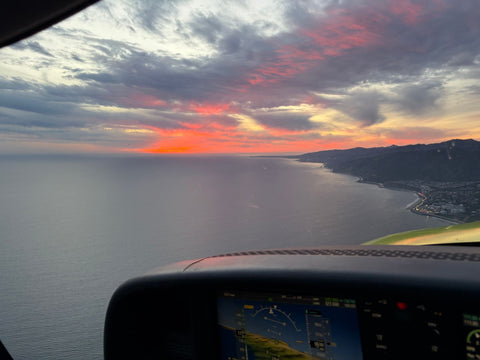


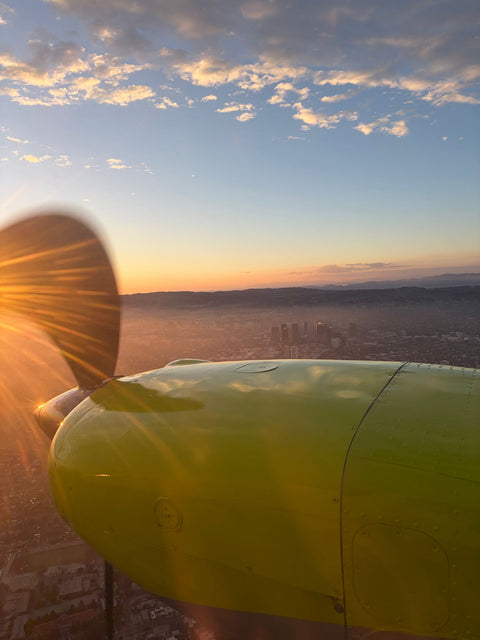
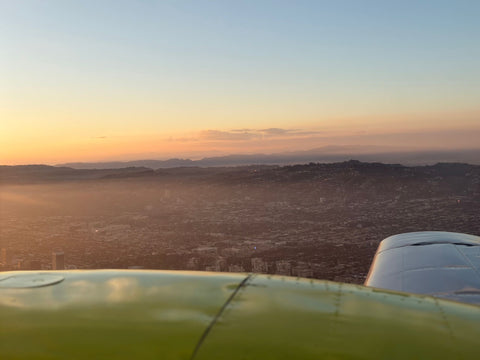


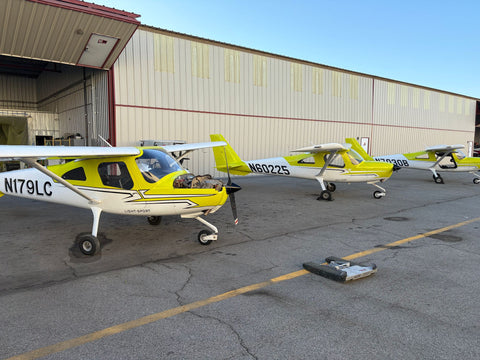


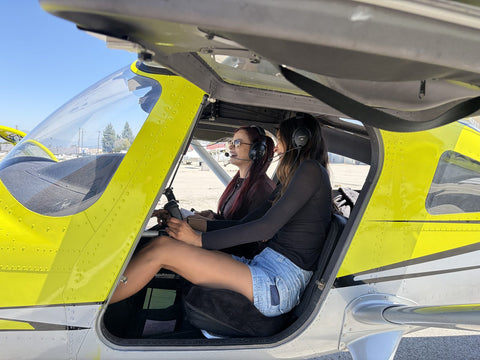

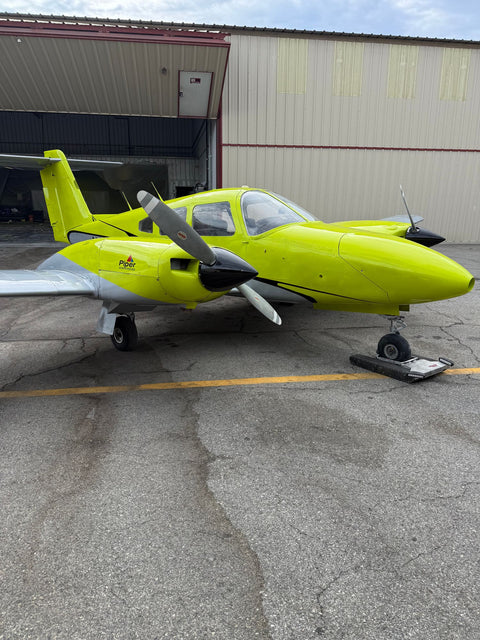
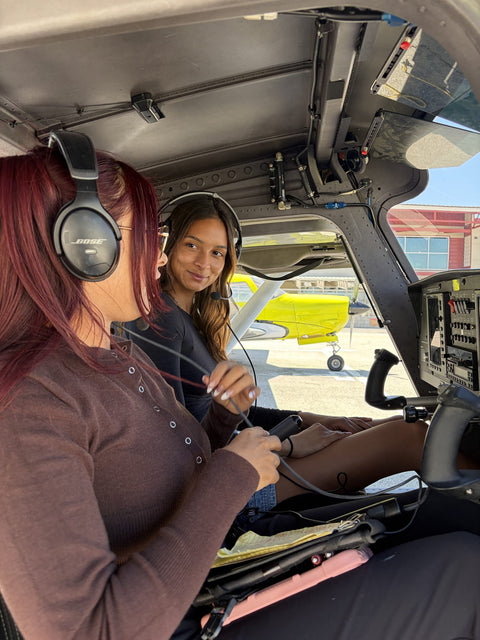
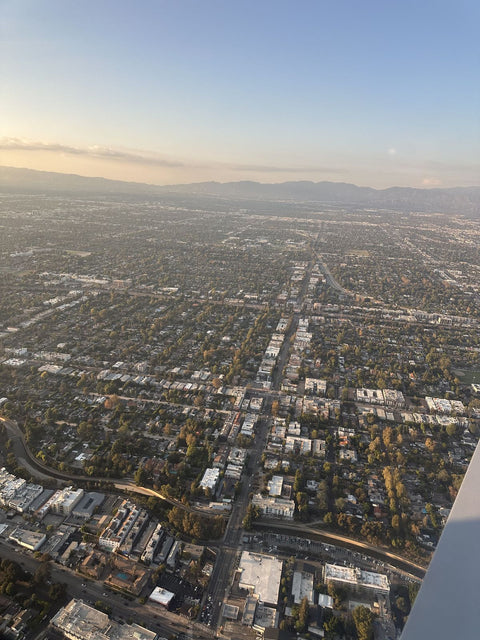
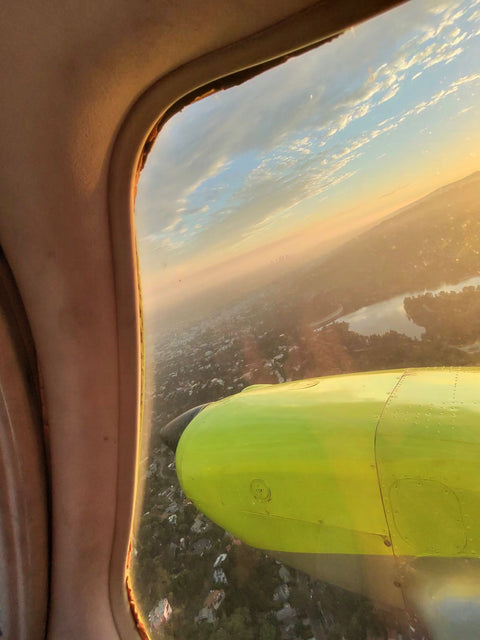





Our accelerated multi-engine rating runs seven days. Classes start on a Monday, you fly the Piper Seminole twice a day through the week, and the checkride is scheduled for the same weekend, which means most pilots arrive on a Sunday night and leave the following Sunday holding an airplane multi-engine land class rating. That is accelerated multi-engine training at its simplest: one airplane, one instructor, one week.
The course is $5,100 and covers eight hours in Seminole N311EF, two hours in the Redbird MCX full-motion simulator, ten hours of flight instruction and two hours of ground. The examiner is paid separately. If you want the regulatory detail behind the rating rather than the schedule, read multi-engine rating requirements first; if you want the local course page, see multi-engine rating in Los Angeles.
Quick Answer: Our accelerated multi-engine rating takes seven days: start on a Monday, fly the Piper Seminole twice a day, and take the checkride that weekend, with Sunday kept as a buffer. The $5,100 course covers 8 hours in the Seminole, 2 hours in the full-motion simulator, 10 hours of flight instruction and 2 hours of ground; the examiner is paid separately. You need a private or commercial certificate and a current medical, and should reserve at least a month ahead.
Book A Free Consultation Call Or Text (818) 330-1318

Why Accelerated Works Better For This Rating Than Any Other
Compressed training is oversold for most certificates. A private pilot course crammed into two weeks produces a pilot who passed a test; the knowledge settles badly and the habits are thin. The multi-engine rating is the genuine exception, and the reason is specific.
Nothing in the rating is conceptually hard. There is no new navigation, no new airspace, no new radio work, no written exam. What is new is a short list of motor skills that have to become reflexes: identify, verify, feather, and do it with the correct hand on the correct lever while the airplane is trying to roll. Reflexes are built by repetition with short gaps between repetitions. A pilot who flies engine-out drills on Monday and again on Wednesday keeps almost all of it. A pilot who flies them on the first Saturday of the month re-learns a third of it every time.
That is why a rating with no FAA hour minimum reliably takes eight hours in a week and eleven or twelve spread over six weekends. Accelerated training here is not a marketing frame. It is the cheaper way to do it.
What The Week Looks Like
The plan below is the standard shape of the course. Weather, examiner availability and your own progress move things around, and your instructor will tell you on Wednesday whether the weekend ride is realistic. Session lengths are approximate.
| Day | Ground and simulator | In the airplane |
|---|---|---|
| Monday | Ground: Seminole systems, fuel and crossfeed, electrical, propellers and feathering, weight and balance, performance charts. First simulator session: engine-failure drills with the motion off the runway. | Familiarization flight. Normal takeoff and landing, airwork, slow flight, stalls clean and configured, getting used to a heavier airplane and a wider cockpit. |
| Tuesday | Debrief and chart work between flights. | Two flights. Engine failure in cruise: identify, verify, feather. First feathering and unfeathering in flight. Single-engine handling, drag demonstration. |
| Wednesday | Second simulator session: rejected takeoffs, engine failure after liftoff, decision briefings. | VMC demonstration at altitude, engine failure during the takeoff roll, engine failure after liftoff, single-engine approaches. |
| Thursday | Oral preparation: VMC factors, the critical engine, single-engine service ceiling, accelerate-stop and accelerate-go. | Single-engine approaches to a full stop, crosswind work, short-field landings, instrument tasks if you hold an instrument rating. |
| Friday | Mock oral with a second instructor, paperwork and IACRA application checked, examiner briefed. | Polish flight. Whatever is still rough, flown until it is not. |
| Saturday | Checkride: oral first, then the flight. | Practical test with a designated pilot examiner. |
| Sunday | Weather and scheduling buffer. If Saturday slipped, this is the day it happens. | |
The seventh day is not padding either. Van Nuys is one of the better fields in the country for consistent flying weather, but a marine layer that does not burn off until noon can cost you a morning, and examiners are booked weeks ahead. A buffer day is the difference between finishing and coming back.
Two Flights A Day Is The Whole Method

A typical accelerated day is a morning flight of about an hour and a half, a long debrief and lunch, then an afternoon flight. That is roughly three hours of flying and five or six hours at the airport. It is tiring in a way that people underestimate, particularly in the summer when the Valley is hot and the afternoon air is rough.
Two things make the difference between a good week and a hard one. The first is sleeping properly, which sounds obvious and is routinely ignored by pilots who fly in from out of town and try to do the whole thing on four hours a night. The second is doing the reading before you arrive, not during. Get the Seminole systems and the V-speeds into your head in advance and the week becomes about flying. Arrive cold and you will spend the Monday ground session learning what you could have learned at home, and the whole schedule shifts right.
What To Study Before Monday
- The Seminole airplane flight manual: fuel system and crossfeed, electrical system, propeller feathering and unfeathering, and the emergency procedures section. Specifications and published V-speeds are summarized on our Piper Seminole PA-44-180 page.
- The V-speeds that only exist in twins: VMC, VYSE, VSSE, VXSE. Know which is which without thinking.
- The factors that determine VMC, and the four factors that make one engine critical on a conventional twin. The Seminole is counter-rotating and has no critical engine, and the examiner will still ask.
- Single-engine service ceiling, accelerate-stop distance and accelerate-go distance, and where to find each in the performance section.
Our multi-engine oral exam guide covers all of that in the form an examiner asks it.
What You Will Be Doing Between Flights
The hours at the airport that are not flying hours are not dead time, and treating them as such is the most common way an accelerated week goes wrong.
After each flight there is a debrief, and it is where most of the learning happens. Your instructor will walk back through the engine-out drills you flew, in order, and ask what you did and why. Expect to be asked to talk through a VMC demonstration on a whiteboard before you are asked to fly a better one. Between the debrief and the next flight there is chart work: weight and balance for the next sortie, accelerate-stop and accelerate-go figures for the actual temperature on the day, and a single-engine service ceiling that means something rather than a number copied off a page.
Evenings matter too. Two hours of reading each night, concentrated on whatever the day exposed, is the difference between eight hours and eleven. Pilots who treat the evening as recovery time and pilots who treat it as study time finish the same course at noticeably different prices. Airplane time is the expensive part; the flight manual is free.
What Can Go Wrong In A Compressed Week
Three things, and all three are manageable if you know about them in advance.
Weather. Southern California is the reason accelerated courses work here at all, but June and July bring a marine layer that can sit over the Valley until late morning. It rarely kills a whole day; it does compress a morning into an afternoon, which is why the schedule has a buffer day and why we brief the week as seven days rather than five.
Examiner availability. Designated pilot examiners are independent and booked well ahead. We schedule your ride when you enroll rather than when you are ready, which is the only way to hold a weekend slot. If your flying runs ahead, you get a quieter Friday. If it runs behind, the buffer day is there.
Fatigue. Three hours of demanding flying a day for five days is more tiring than most pilots expect, and the symptom is not feeling sleepy. It is small handling errors returning on the Thursday after they had gone on the Tuesday. The fix is boring and effective: sleep, eat properly, drink water in a hot cockpit, and tell your instructor when you are flat rather than flying through it. A session canceled on the Thursday and flown on the Friday morning costs nothing. A session flown badly costs an hour of Seminole time.
Who The Accelerated Course Suits
- Career pilots on a schedule. If the multi-engine rating is the item between you and a commercial multi-engine job application or the start of an instructor course, a week is the fastest legitimate route.
- Out-of-town pilots. A single trip, one hotel booking, one block of leave. Pilots fly in from across California and the Southwest for exactly this. Our page on housing and transport for out-of-town students covers where people stay.
- Pilots who already fly regularly. If you are current and comfortable in a complex single, the week will feel brisk but manageable.
It suits you less well if you have not flown in six months, if you are rusty on instrument procedures and want the instrument tasks included, or if you cannot take a full week away from work. In those cases a part-time version over three or four weekends is the honest recommendation, and it costs a little more because of the repetition you lose between sessions.
From Booking To Checkride
-
Check You Are Eligible
You need a private or commercial pilot certificate with an airplane single-engine land rating and a current medical certificate. There is no knowledge test for an added class rating.
-
Reserve Your Week A Month Ahead
Book at least one month before you want to start. We schedule the examiner when you enroll, which is how the weekend ride is held for you. Pay the $5,100 in full or as $2,500 down and two payments of $1,300.
-
Study Before Monday
Learn the Seminole's fuel, electrical and propeller systems and the multi-engine V-speeds at home, using the list above and our oral exam guide.
-
Fly Monday To Friday
Two flights a day in the Seminole, two simulator sessions and a mock oral with a second instructor on Friday. Your instructor endorses you for the practical test when you are ready.
-
Take The Checkride On The Weekend
Oral first, then the flight, with a designated pilot examiner. Sunday stays free as the weather and scheduling buffer.
What It Costs, And What Is Not In It
| Item | Detail |
|---|---|
| Course price | $5,100 |
| Piper Seminole, dual | 8 hours |
| Full-motion simulator | 2 hours |
| Flight instruction | 10 hours |
| Ground instruction | 2 hours |
| Books and materials | Included |
| Payment plan | $2,500 down, then two payments of $1,300 |
| Examiner fee | Roughly $800 to $1,000, paid to the examiner, not included |
| FAA knowledge test | None required for an added class rating |
| Additional Seminole dual, if needed | Priced with you before it is flown; call or text (818) 330-1318 |
| Accommodation and travel | Not included |
The full arithmetic is on our multi-engine rating cost page. Financing runs through interest-free direct payments up to twelve months or Stratus Financial over a longer term; see flight training financing.
Adding The Instrument Tasks
If you already hold an instrument rating, say so when you book. A multi-engine practical test that does not include the instrument tasks results in a certificate limited to VFR only in multi-engine airplanes, and removing that limitation later means a second checkride. Including a single-engine instrument approach in the ride costs an extra session or so during the week and saves several hundred dollars and a day later. This is the single most common regret we hear from pilots who did the rating somewhere else in a hurry.
Related Reading
- Multi-engine rating requirements — 14 CFR 61.63(c), the endorsement, the checkride and the limitations.
- Multi-engine rating cost — where the $5,100 goes, line by line.
- Multi-engine oral exam guide — what the examiner asks and how to answer it.
- Piper Seminole PA-44-180 — systems, V-speeds and performance.
- Accelerated flight training in Los Angeles — the same approach applied to other certificates.
- Multi-engine time building — what to do with the rating once you hold it.
Accelerated Multi-Engine Rating FAQ
Can You Really Get A Multi-Engine Rating In A Week?
Yes, and it is the normal way to do it. There is no FAA hour minimum for an added class rating under 14 CFR 61.63(c), most pilots reach the standard in eight to twelve hours of dual, and flying twice a day means those hours fit inside five working days with the checkride on the weekend.
What Happens If Weather Or The Examiner Delays The Checkride?
The seventh day is built in as a buffer. If the ride slips beyond it, we reschedule with the examiner and you fly a short refresher beforehand rather than repeating the course. There is no penalty for a weather delay.
Do I Need To Be Instrument Rated To Take The Accelerated Course?
No. A private or commercial certificate with an airplane single-engine land rating is enough. If you do hold an instrument rating, ask for the instrument tasks to be included so your multi-engine privileges are not limited to VFR.
How Many Hours A Day Will I Actually Fly?
About three hours of flying spread across two sessions, plus ground and debriefing. Expect to be at the airport five to six hours a day.
What If I Need More Than Eight Hours In The Airplane?
Extra Seminole dual is priced with you before it is flown, so call or text (818) 330-1318 if you think you may need it. Most pilots who fly the week as scheduled do not need it; pilots who have not flown recently sometimes need an hour or two.
Can I Do The Course Over Weekends Instead?
Yes. Three or four consecutive weekends works, and it is the right answer if you cannot take a week off. Budget for a little more flight time, because engine-out handling fades between sessions.
Where Do Out-Of-Town Students Stay?
Most pilots book a hotel within a few minutes of the airport in Van Nuys or Sherman Oaks and use a rideshare or a rental car. We can point you at what other students have used.
Is There A Knowledge Test To Take Before I Arrive?
No. An added class rating requires no FAA knowledge test. Use the time you would have spent on it reading the Seminole flight manual instead.
Can You Get A Multi-Engine Rating In Three Days?
The rules allow it: under 14 CFR 61.63(c) an added class rating has no minimum training time, only an instructor's endorsement and a practical test. A three-day course only works for a pilot who reaches the standard in very few hours with perfect weather, and it leaves no room for rest, a marine-layer morning or a second try at a maneuver. Seven days gives the same training that room.
How Much Does Accelerated Multi-Engine Training Cost?
$5,100 for the course: 8 hours in the Piper Seminole, 2 hours in the full-motion simulator, 10 hours of flight instruction and 2 hours of ground. It can be paid as $2,500 down and two payments of $1,300. The examiner's fee is paid to the examiner, and travel and accommodation are not included.
Start On A Monday
Accelerated multi-engine classes start Mondays in Seminole N311EF at Van Nuys, and we schedule the examiner when you enroll so the weekend ride is held for you. To check the next available start date or talk through whether the week or the weekends version fits you better, book a free consultation or call (818) 330-1318, any day from 9 AM to 9 PM. If you are not a pilot yet, start with a 60-minute discovery flight for $229, flown from the left seat and logged as dual. We are at 7900 Balboa Blvd, Main Terminal Unit 108, Van Nuys, CA 91406.
Book A Free Consultation Call Or Text (818) 330-1318 Book A Discovery Flight · $229
Sources: 14 CFR 61.63(c), Additional aircraft class rating, Title 14 of the Code of Federal Regulations on ecfr.gov, checked September 23, 2026.