
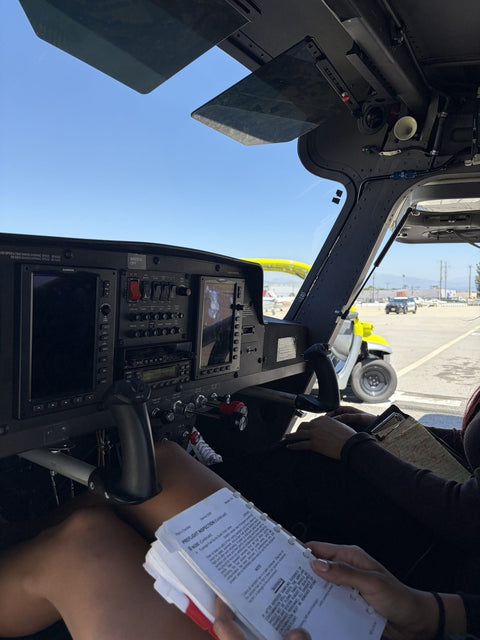
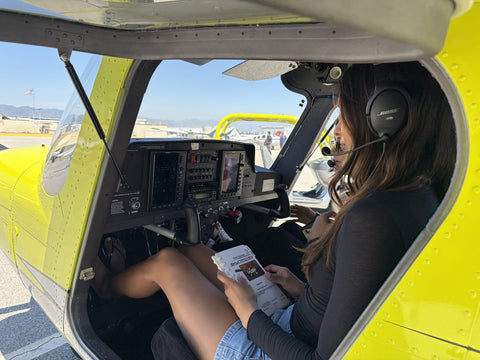







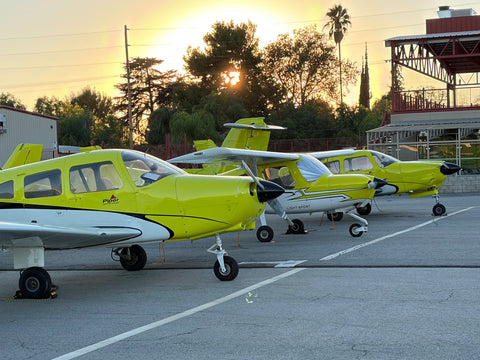
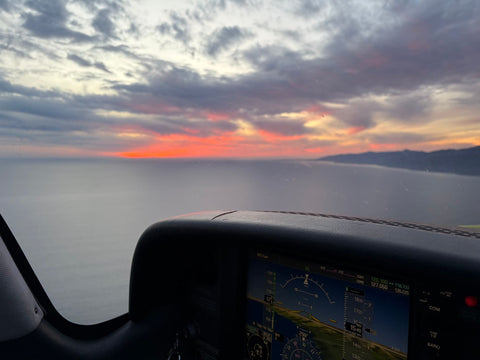
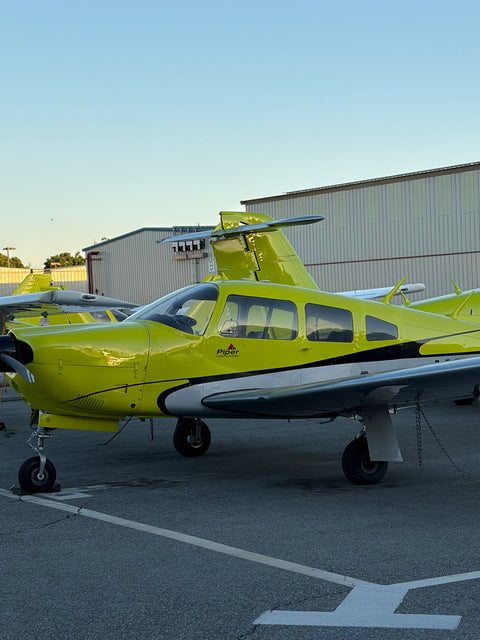
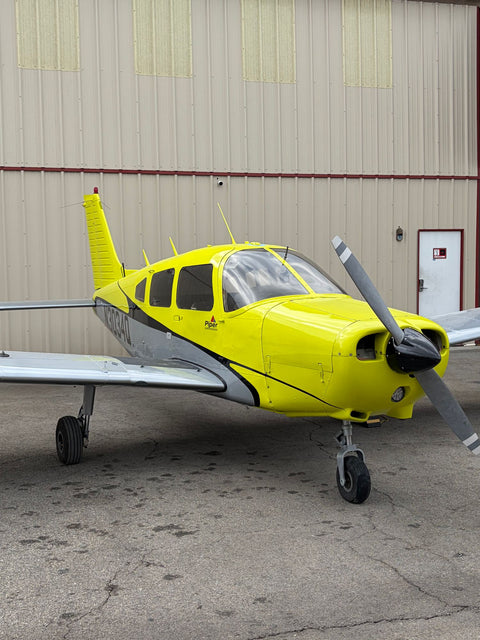








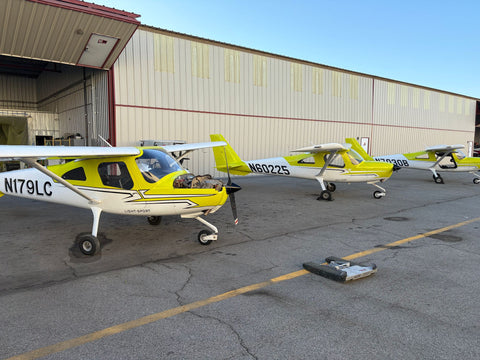




Burbank residents learn to fly at Van Nuys Airport, about twelve miles west, and at two lessons a week a private pilot certificate takes most people five to eight months. Burbank has its own airport, but Hollywood Burbank is a commercial field inside Class C airspace, and light aircraft training is not what it is built around. This page explains what that means for you and how the training itself actually runs.
We are You Fly LA at 7900 Balboa Blvd, Main Terminal Unit 108. The full step-by-step route to a certificate is on our pillar page, learn to fly in Los Angeles. For the drive over or around the hill and the local detail, see flight school near Burbank. Want to try it before you commit? Book a discovery flight from Burbank.

You Live Under Class C. You Will Train Under Class D
This is the most useful thing a Burbank resident can understand before starting, because it decides where you fly and what you learn first.
Hollywood Burbank Airport sits inside Class C airspace, which is the classification used at busy fields with airline service. To enter it you need an operating Mode C transponder and, critically, two-way radio communication established with air traffic control before you cross the boundary. That is a real constraint on a student pilot and a poor place to learn to land, because you are sharing a runway with airline traffic on a schedule.
Van Nuys is Class D: a control tower, a defined cylinder of airspace, and a requirement to talk to the tower before entering. It sits underneath the Burbank Class C shelf, just north of the Los Angeles Class B, and a few miles west of Burbank's Class C core, which is the combination that makes it an unusually good classroom. Within your first ten lessons you will be handling a busy tower frequency, watching for the Class B shelf to the south and the Class C boundary to the east, and learning how to ask for a transition through controlled airspace rather than avoiding the subject.
Students who learn at quiet uncontrolled fields spend their first year of flying nervous around controllers and stay out of complex airspace. Students who learn here find everywhere else straightforward. If you eventually want a commercial certificate or an airline job, that habit is worth more than any single feature of a training fleet. The wider picture is on flying in Los Angeles airspace.
You will also fly to Burbank during training, with an instructor, precisely because operating into a Class C field is a skill worth having before your checkride rather than after it.
What Your First Lesson Contains
Three hours at the airport buys one hour in the air, and that ratio holds for the whole course.
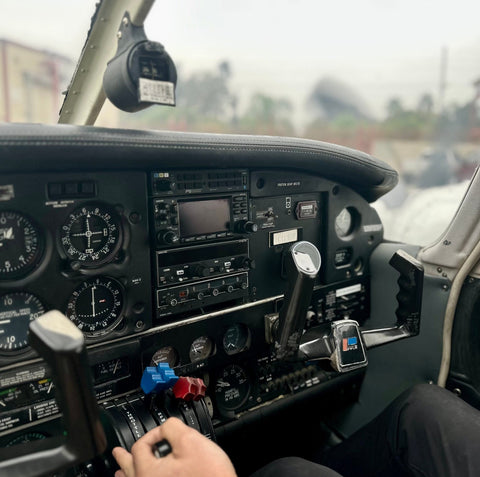
It starts with a briefing at a table: what the lesson is, in what order, and what each maneuver should feel like. Then the walkaround, which is a genuine inspection of fuel, oil, control surfaces, tires, brakes and the propeller, done with your instructor until you can do it alone.
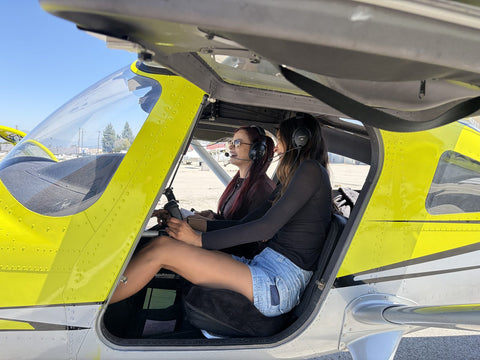
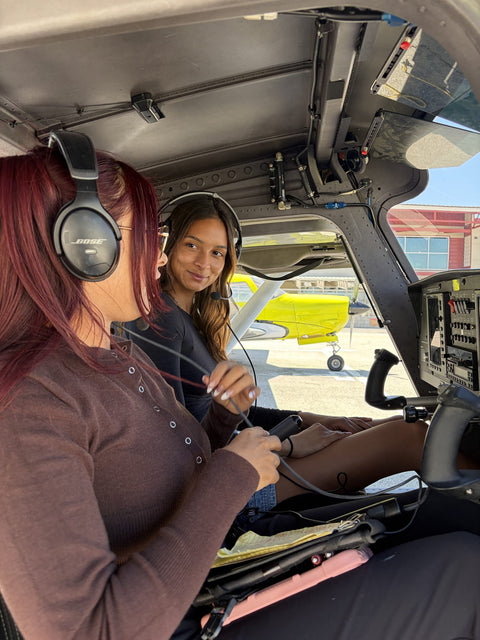
You sit in the left seat and taxi the airplane yourself, steering with the rudder pedals, which feels wrong for about ten minutes and then feels obvious. Your instructor handles the radio on flight one and narrates what is being said so that the pattern of it starts to make sense.
Airborne you fly straight and level, turns, climbs and descents. That is the entire foundation of flying, and an hour of it is tiring in a way most people do not expect. You fly the approach back to Van Nuys, and your instructor flies or shares the first landing. Then a debrief and a logbook entry, which is where your flying record begins.
Where Burbank Students Practice
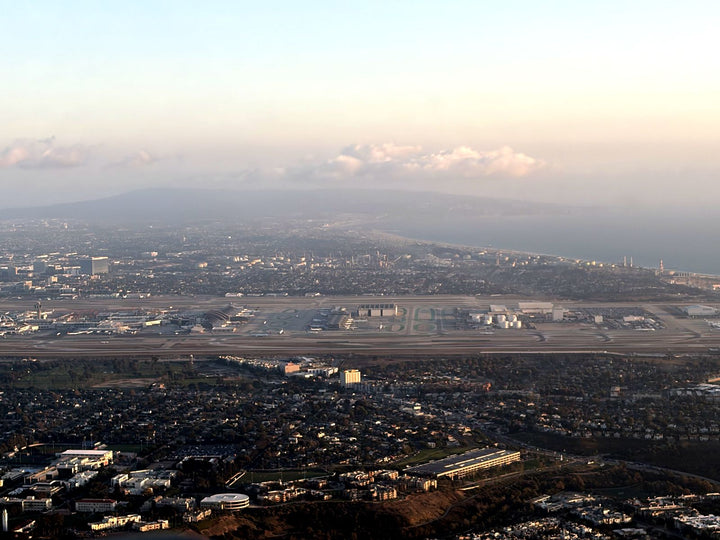
Two places. Pattern work and landings at Van Nuys, where two parallel runways mean light trainers usually work 16L/34R at 4,013 feet while the business jets use the 8,001-foot parallel. Your circuits do not queue behind a jet departure, which at a single-runway airport they would.
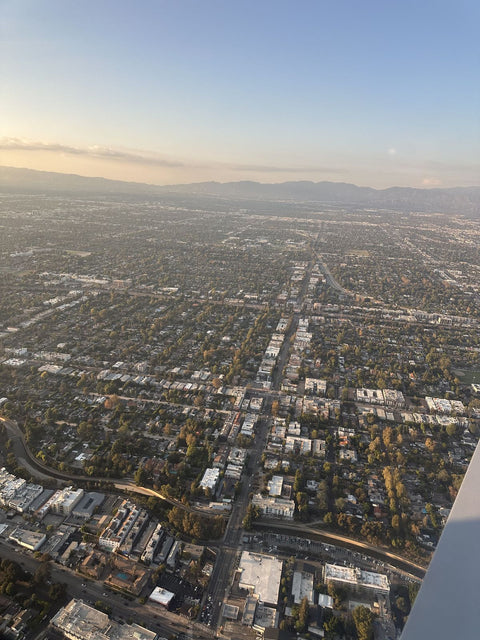
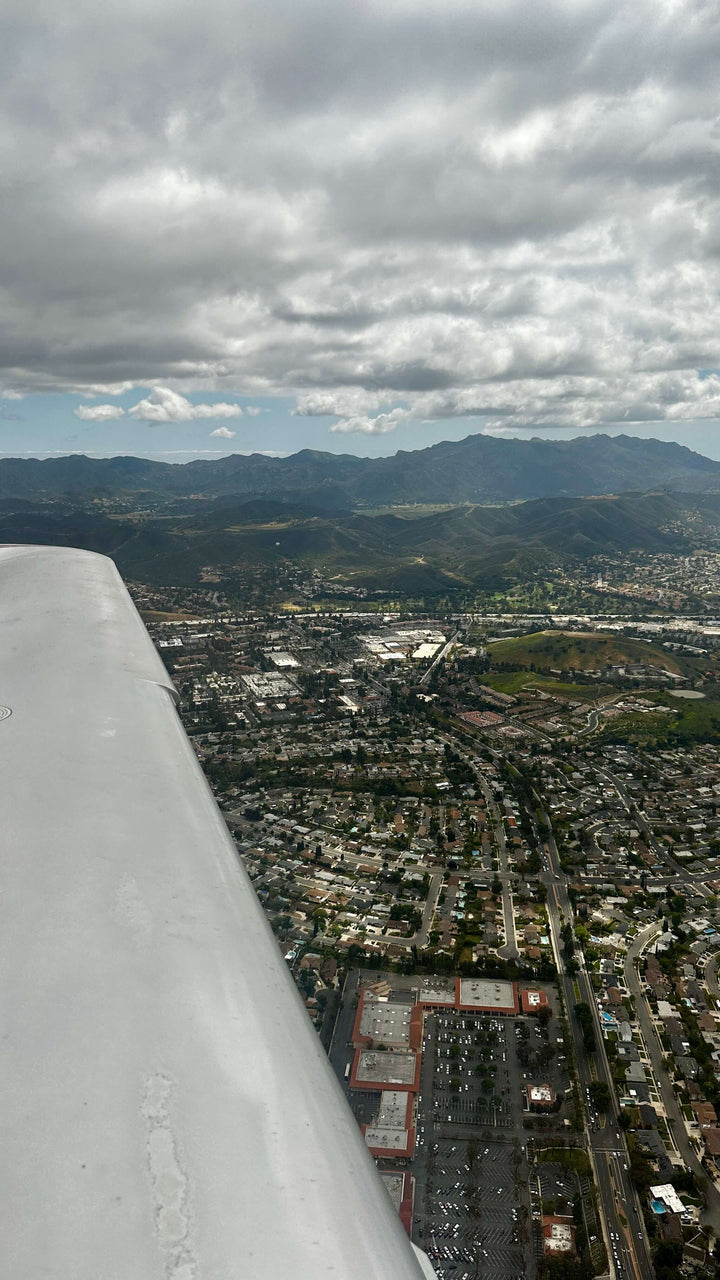
Airwork away from the field happens mostly to the north and west, over open ground toward Chatsworth and the Santa Susana hills, roughly eight to twelve minutes after takeoff. Slow flight, stalls, steep turns and practice engine failures all need space, easy ground references and somewhere to aim, and the north-west Valley has all three. It also keeps you clear of the Burbank Class C, which is the practical reason airwork does not happen east of the field.
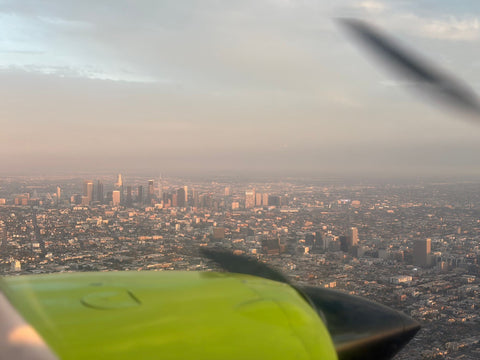
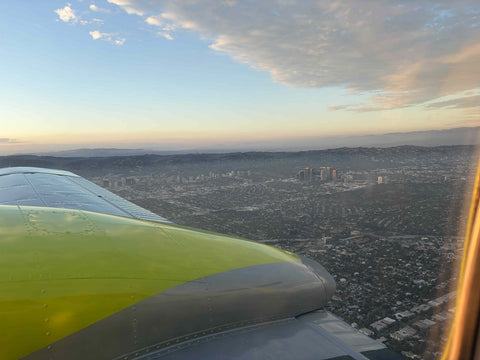
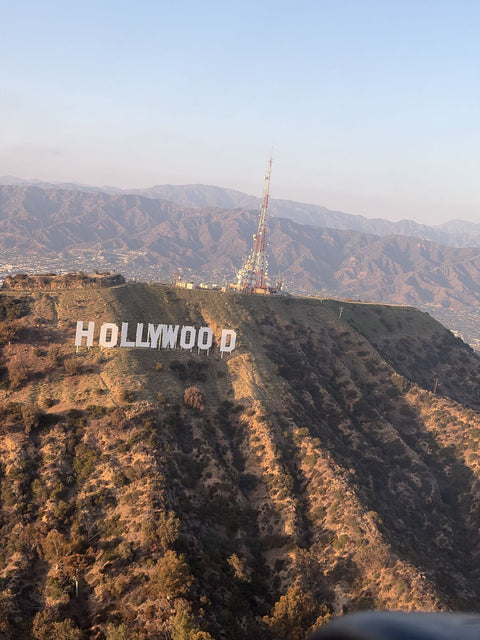
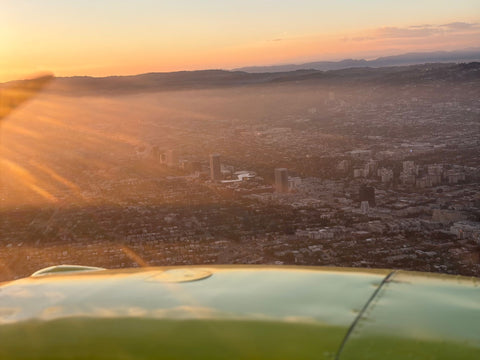
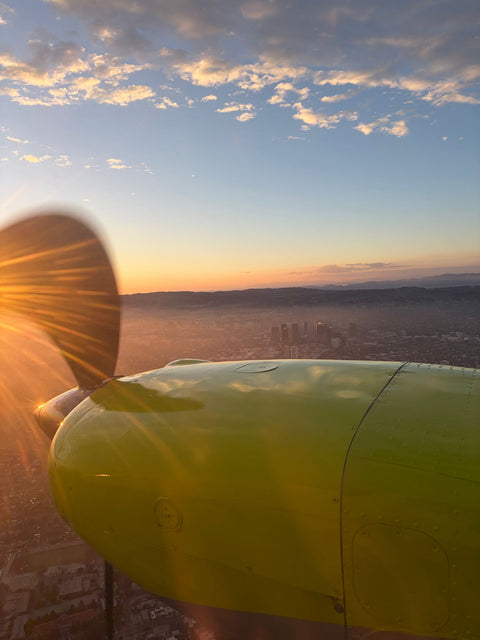
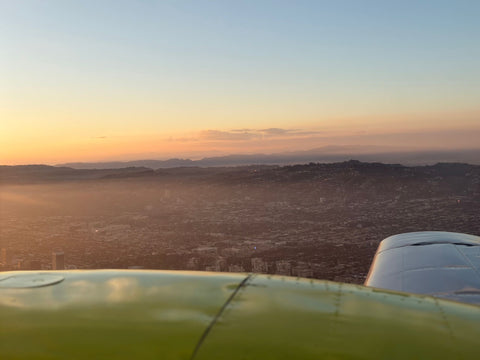
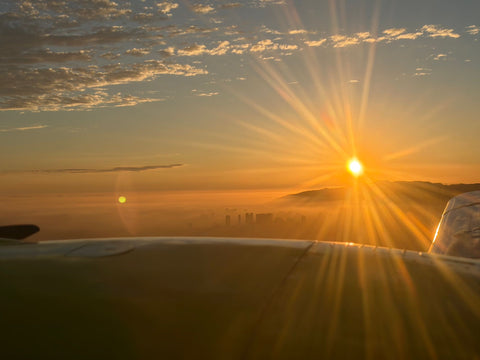
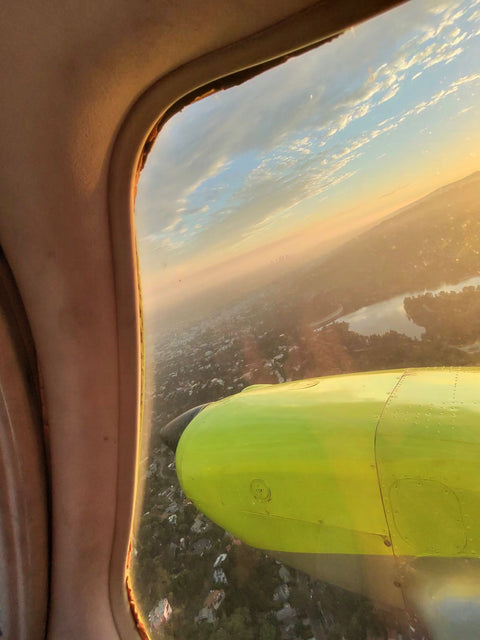
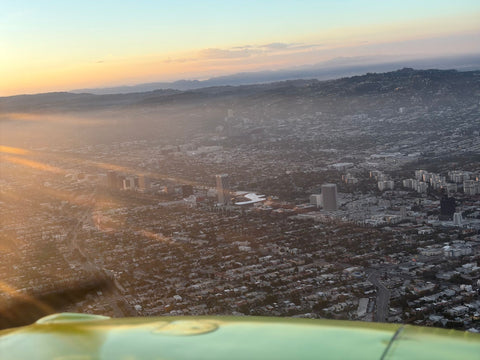
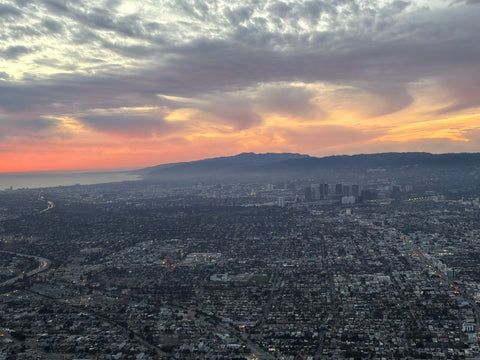
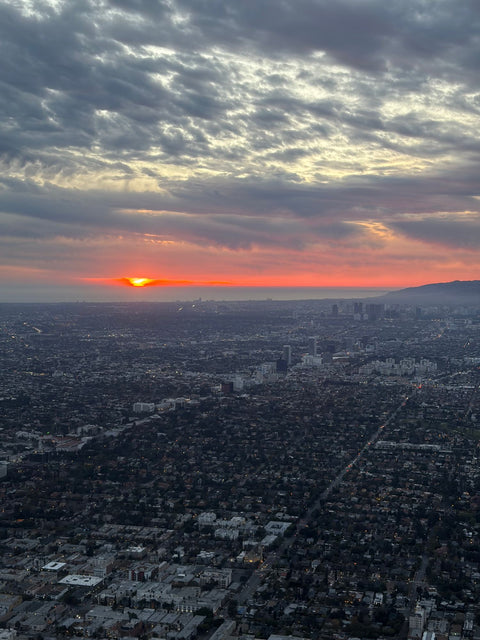
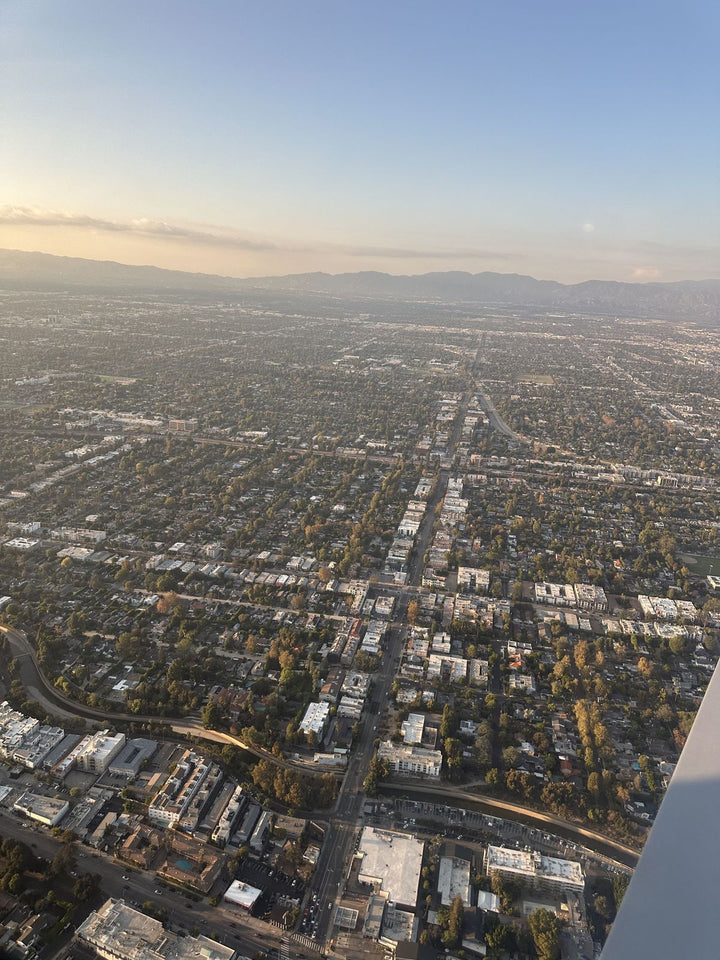
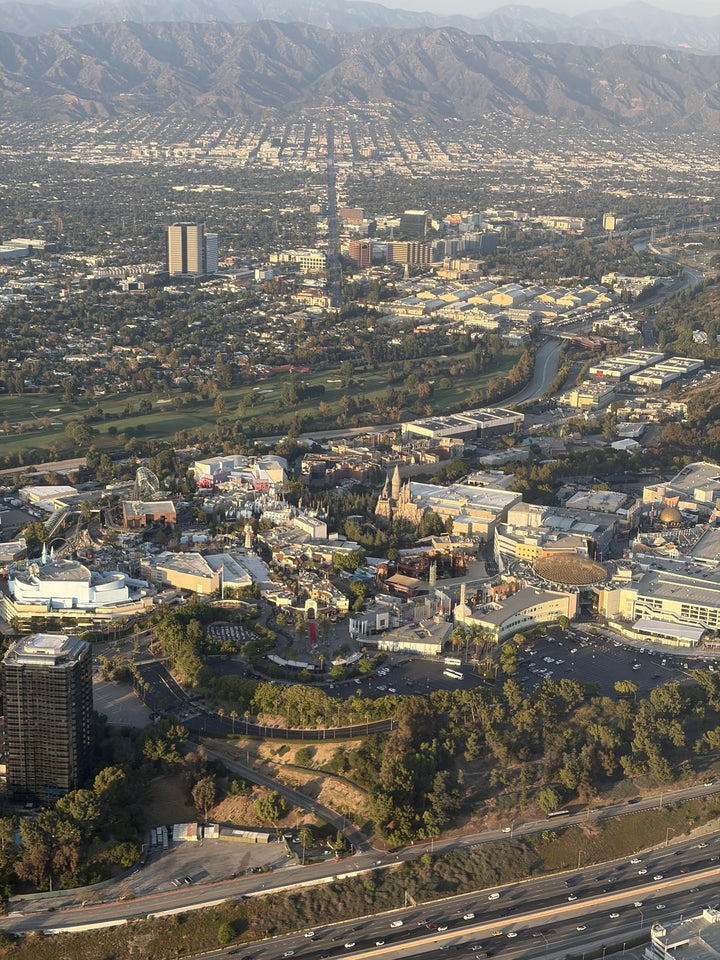
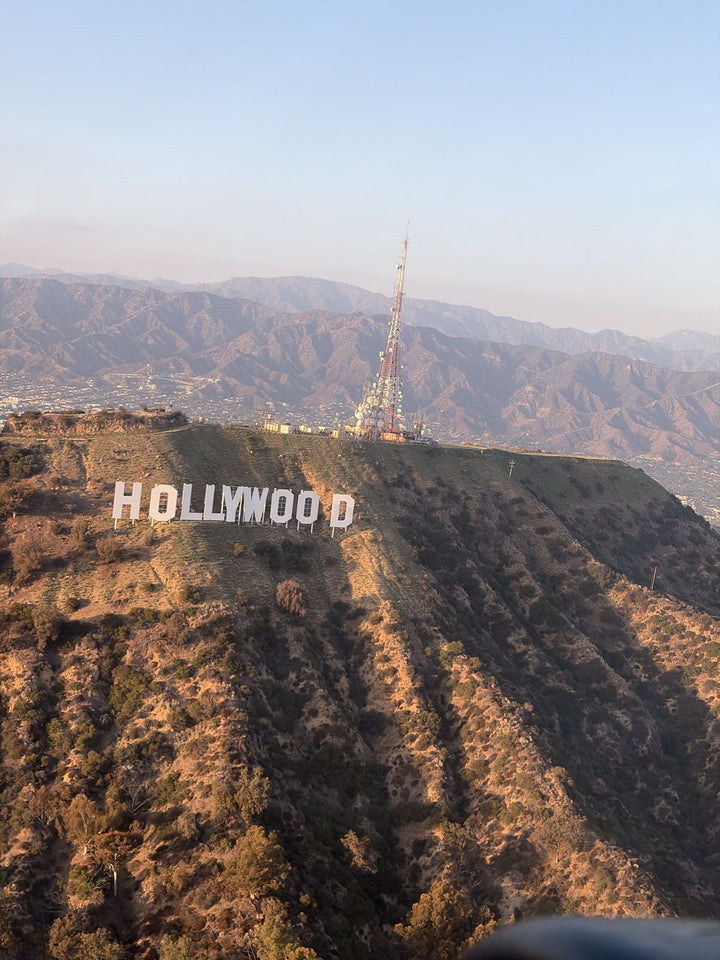
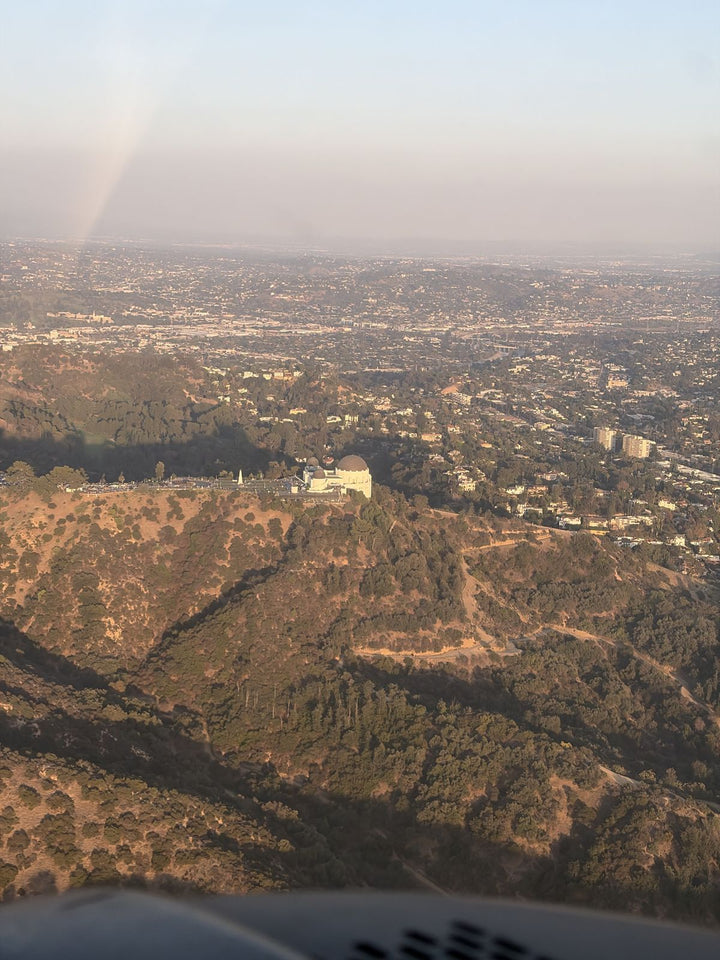
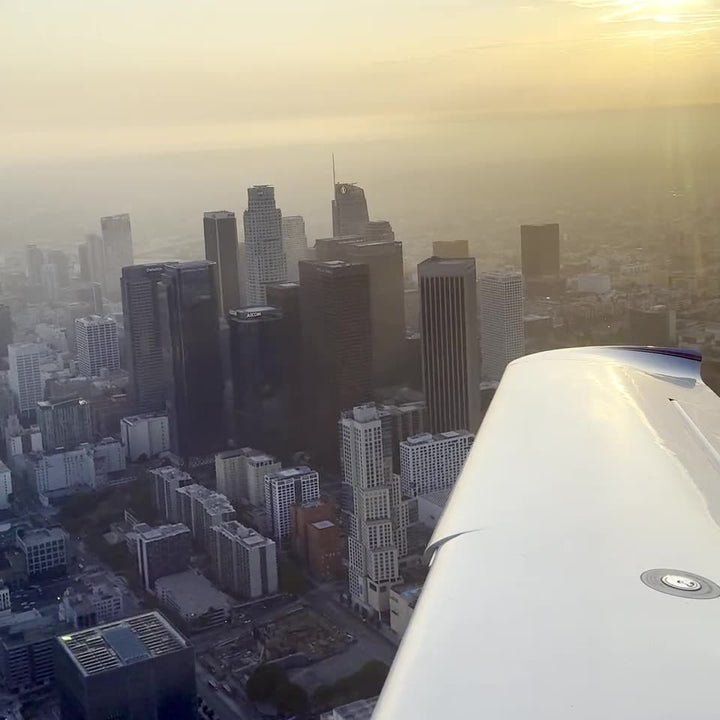
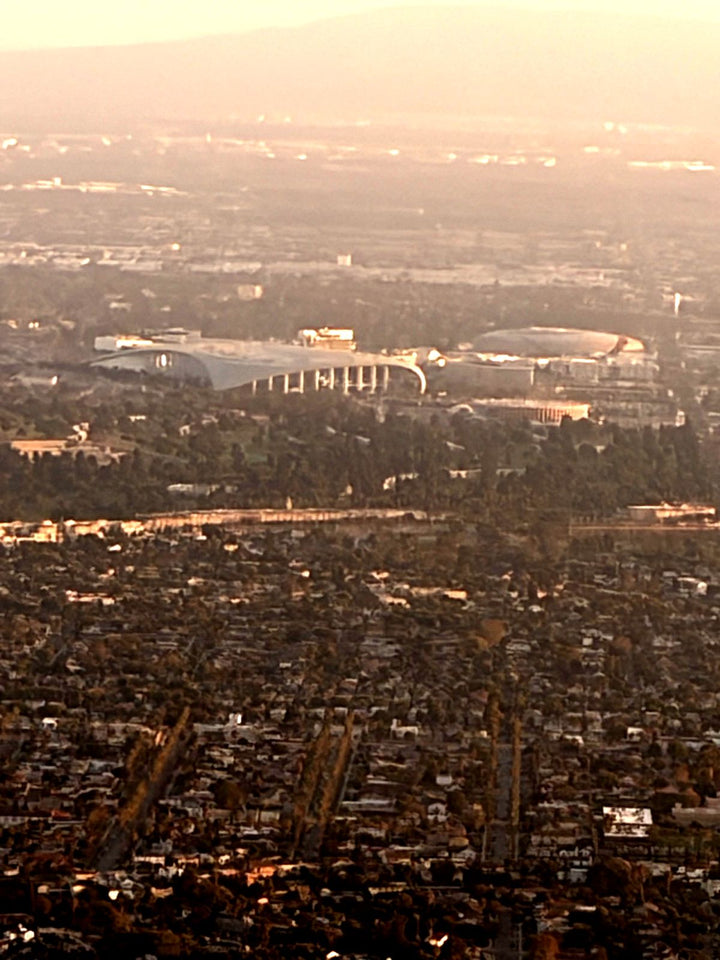
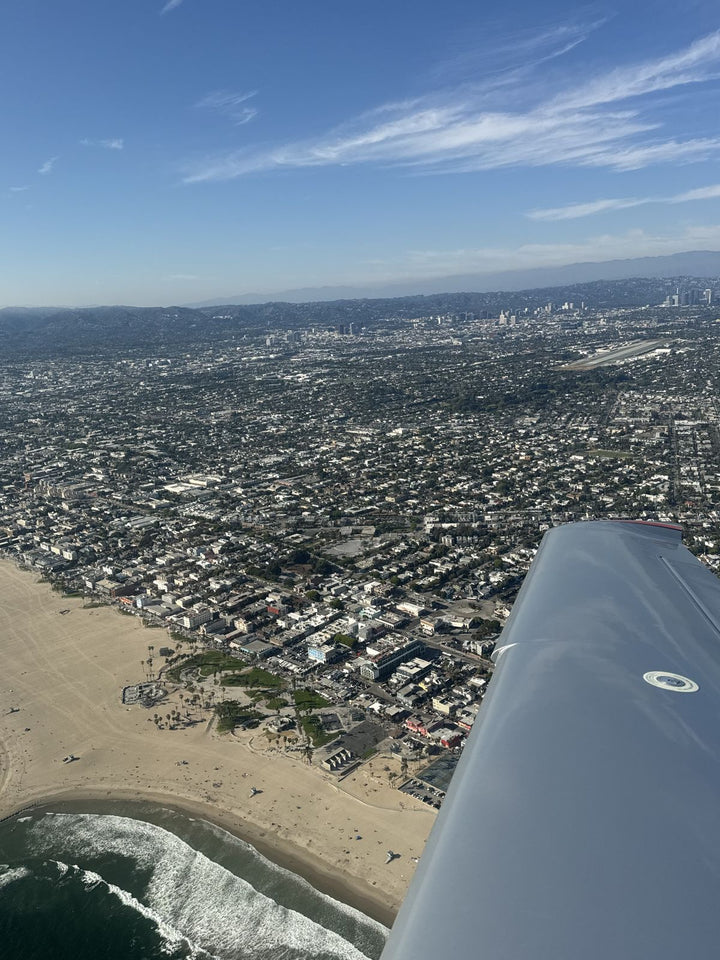
From the air Burbank is one of the easiest places in Los Angeles to identify: the Verdugo Mountains behind it, the runways of Hollywood Burbank on the valley floor, the studio lots in neat rectangles, and Griffith Park and the Observatory on the far side of the hills. On a clear winter morning the whole basin from Mount Wilson to the ocean is visible from three thousand feet.

A Calendar That Fits A Burbank Week
The FAA minimum for a private pilot certificate is 40 hours under 14 CFR 61.109. Students flying twice a week normally finish in the mid-fifties to mid-sixties of hours; students flying twice a month commonly pass eighty, because every lesson starts with twenty minutes of rebuilding. At $179 an hour for the airplane inside a package plus $110 an hour for the instructor, that gap is more than five thousand dollars.
Two fixed slots a week is the target. From Burbank the best weekday slot is the first of the day, because you drive west across the Valley against the commute and the air before nine is smooth. The Van Nuys tower opens at 0600 and closes at 2245, so an evening slot after work is equally available, and evening slots are what make the three hours of required night training a pair of ordinary weeknights instead of a project.
Plan on roughly two hours of ground study for every hour flown. That is the difference between finishing near 55 hours and finishing near 75.
The Milestones In Order
First solo, usually between 15 and 25 hours. 14 CFR 61.87 requires a pre-solo knowledge test on the applicable sections of parts 61 and 91, the airspace at your airport and the aircraft's limitations, with your instructor reviewing every incorrect answer; logged training on the listed maneuvers; and a logbook endorsement for that make and model from an instructor who has flown with you within the previous 90 days.
Cross-country, night and instrument time. 14 CFR 61.109 requires 40 hours total including 20 dual and 10 solo, three hours of cross-country training, three hours of night training with a flight over 100 nautical miles and ten takeoffs and landings, three hours of instrument training, and a 150-nautical-mile solo cross-country.
The written exam. Sixty questions, about two hours at a PSI testing center, roughly $175.
The checkride. An oral and a flight with a designated pilot examiner. Examiner fees in Southern California run roughly $800 to $1,000, paid to the examiner.
What It Costs
| Item | Price |
|---|---|
| Discovery flight, 60 / 90 / 120 minutes | $229 / $299 / $399 |
| Sport Pilot course | $8,400 |
| Private Pilot course, Standard | $10,400 |
| Private Pilot course, Comprehensive | $15,400 |
| Instrument Rating course | $11,700 |
| Aircraft, package rate inside a course, per hour | $179 |
| Flight or ground instruction, per hour | $110 |
| FAA knowledge test at a PSI center | About $175 |
| Designated examiner fee for the checkride | Roughly $800 to $1,000 |
Books and materials are included in course prices. Payment is interest-free direct installments over up to twelve months, typically $2,500 down and four payments of $1,975 on the Standard course, or Stratus Financial over a longer term with a soft credit check.
Related Reading
- Learn to fly in Los Angeles — the complete process with prices.
- Flight school near Burbank — the drive and the local detail.
- Flying in Los Angeles airspace — Class B, Class C and the corridors.
- Airspace classes explained — what A through G actually mean.
- Best airport for flight training in Los Angeles — six fields compared on real numbers.
- Learn to fly in Studio City — the same process from the other side of the hills.
- Service areas around Van Nuys — drive times from every neighborhood we serve, on one page.
Learning To Fly In Burbank FAQ
Can You Learn To Fly At Hollywood Burbank Airport?
Hollywood Burbank is a commercial airport inside Class C airspace, and light aircraft training is not what it is organized around. Burbank residents generally learn at Van Nuys Airport, about twelve miles west, and then fly into Burbank with an instructor as part of the training.
What Is The Difference Between Class C And Class D Airspace?
Class C is used at busier fields with airline service and requires an operating Mode C transponder and two-way radio communication established with ATC before entry. Class D is a tower-controlled cylinder around a smaller field and requires you to establish communication with the tower. Van Nuys is Class D, beneath the Burbank Class C, just north of the Los Angeles Class B.
How Far Is Van Nuys Airport From Burbank?
About twelve miles west across the Valley. The drive is covered in detail on our flight school near Burbank page, including which route works at which hour.
How Long Does It Take To Get A Private Pilot Certificate?
Five to eight months flying twice a week, and typically 55 to 70 hours against the 40-hour minimum in 14 CFR 61.109.
Where Will I Practice Maneuvers?
North and west of Van Nuys over open ground toward Chatsworth and the Santa Susana hills, eight to twelve minutes after takeoff, which also keeps you well clear of the Burbank Class C. Landings and pattern work happen at Van Nuys.
Will I Learn To Fly Into A Busy Airport?
Yes. Operating into Class C airspace with an instructor is part of the training, not an optional extra, and Burbank is the obvious place to do it from Van Nuys.
Do I Need A Medical Certificate To Start?
No. An FAA medical certificate is needed before your first solo, not before your first lesson. Most students book the exam with an Aviation Medical Examiner in their first month.
How Much Does It Cost In Total?
The Private Pilot Standard course is $10,400 including books and materials, plus about $175 for the FAA written test and roughly $800 to $1,000 for the designated examiner.
Start With One Flight
A discovery flight is $229 for sixty minutes, flown from the left seat with an instructor beside you, logged as dual instruction toward your certificate, and credited in full toward a course if you enroll within twenty-four hours. If you would rather talk through the airspace, the schedule and the money first, book a free consultation. Call (818) 330-1318 any day between 9 AM and 9 PM. We are at 7900 Balboa Blvd, Main Terminal Unit 108, Van Nuys, CA 91406.