
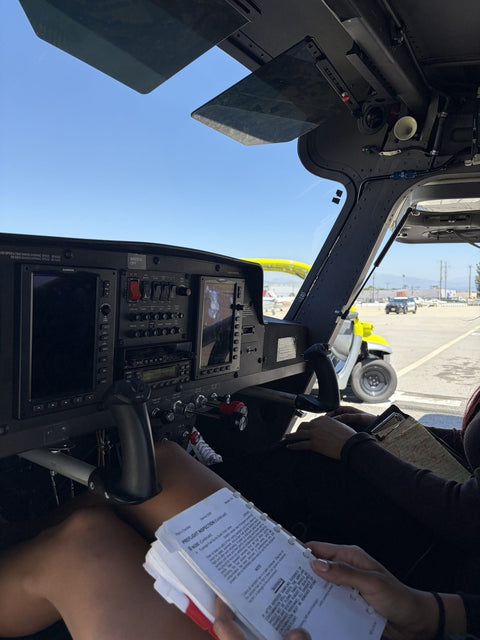
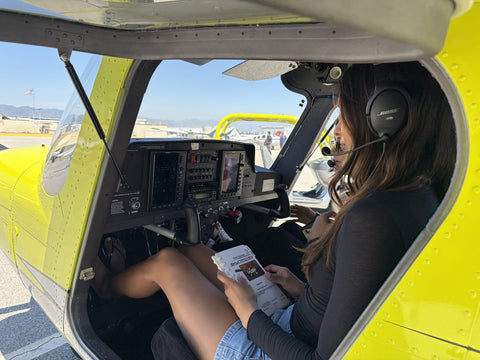


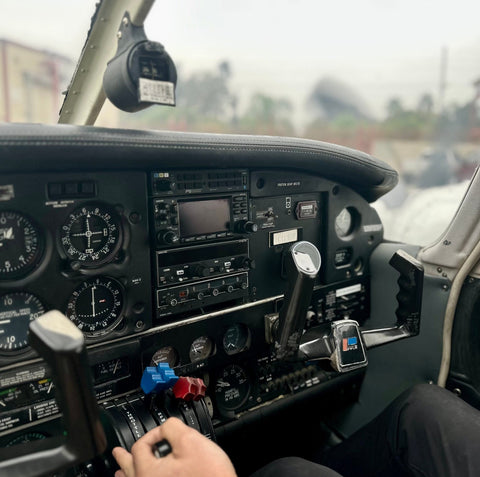
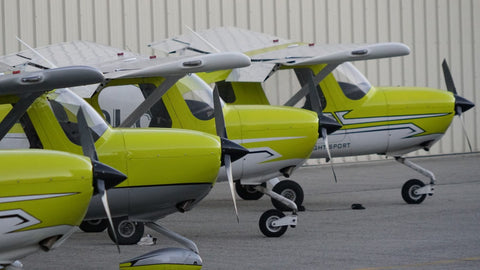


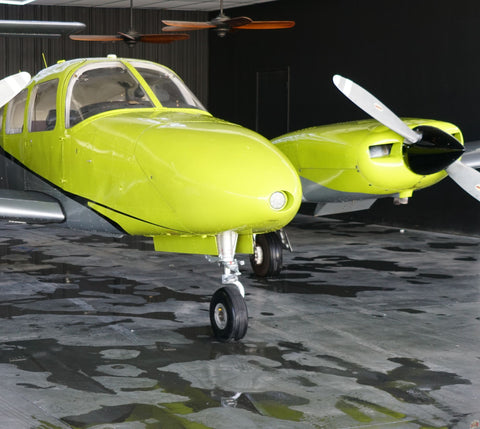

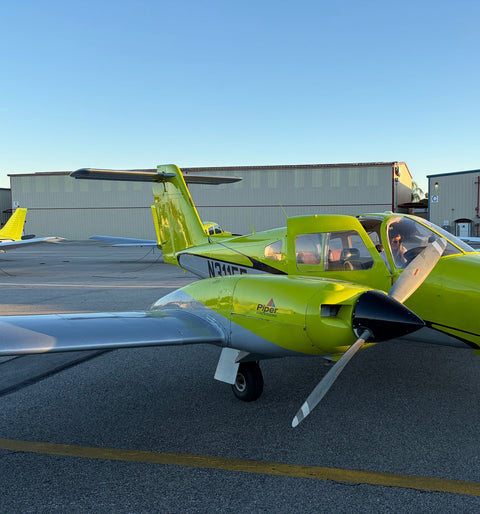


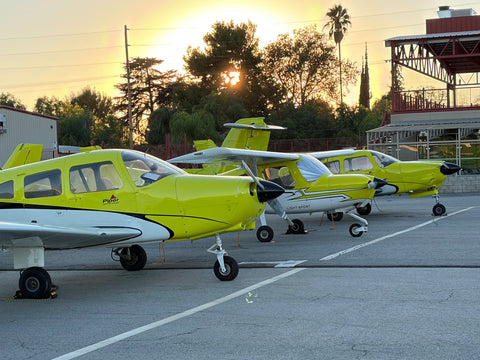
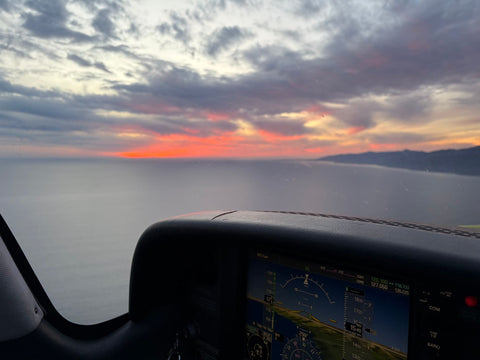
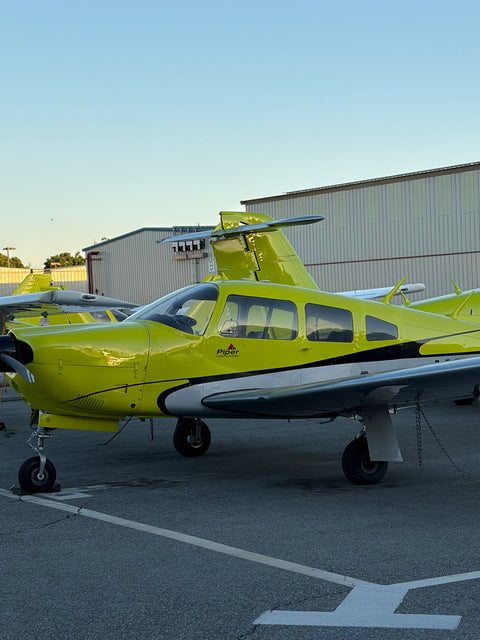
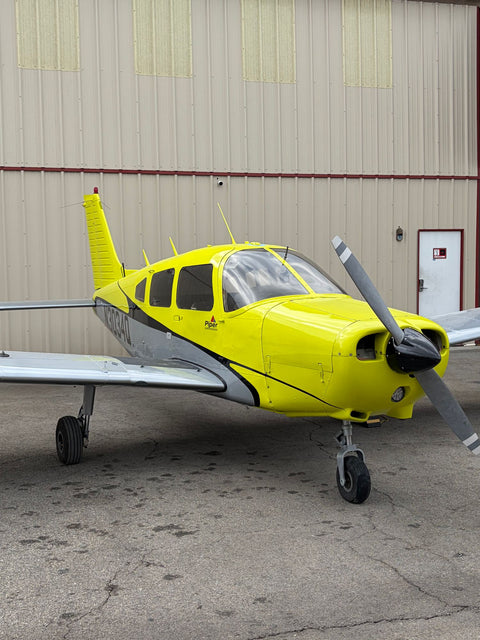













How high a plane flies depends on what it is built to do. An airliner climbs into thin, cold air because that is where its jet engines burn the least fuel per mile. A four-seat trainer stays far lower because it has no pressurized cabin, a piston engine that runs out of breath with altitude, and usually a job to do near the ground. We fly the second kind every day from Van Nuys Airport, so this page covers both, with the real ceilings of the aircraft we fly and the rules that decide where we actually fly them.
Quick Answer: Most airliners cruise between about 30,000 and 41,000 feet, business jets go a little higher, and turboprop airliners usually sit in the low to mid 20,000s. Small piston trainers are certified to somewhere between roughly 11,000 and 15,000 feet but spend most of their time far below that: on a discovery flight over Los Angeles we are usually between 1,500 and 3,500 feet.
Book A Discovery Flight · $229 Call Or Text (818) 330-1318
The Short Answer, By Aircraft Type
| Aircraft | Typical Cruise | What Sets The Altitude |
|---|---|---|
| Jet airliner | About 30,000–41,000 ft | Fuel burn, weight, winds and the 1,000-foot separation band between FL 290 and FL 410 |
| Business jet | Often 41,000–45,000 ft | Lighter, with a higher certified ceiling, so it can climb above airline traffic |
| Turboprop airliner | About 18,000–25,000 ft | Propeller efficiency falls off above that; shorter routes do not need the climb |
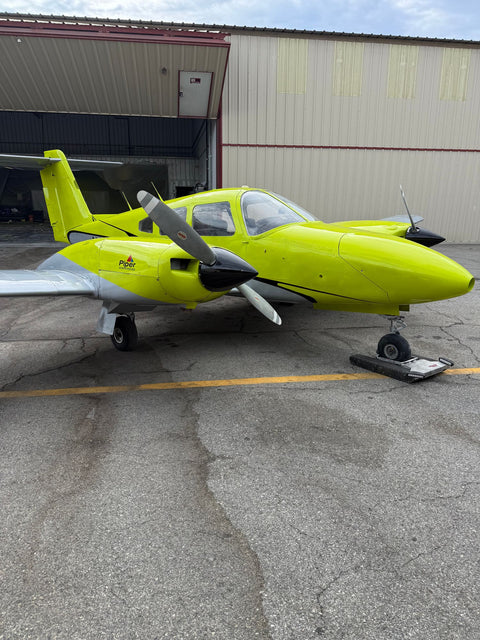
| Piston trainer (Warrior, DA20, Skycatcher) | 1,500–10,000 ft | No pressurization, supplemental-oxygen rules above 12,500 ft, and the work is done low |
| A discovery flight over LA | 1,500–3,500 ft | Minimum safe altitudes over the city and the Class B airspace south of the Valley |
Those are ranges, not rules. On the day, the altitude is a trade between weight, the winds at each level, turbulence reports and what air traffic control can give.
Why Airliners Cruise So High
Thin air means less drag. At 35,000 feet the air is less than a third as dense as at sea level, so the airplane pushes through far less of it for every mile. Jet engines are also most efficient in cold, thin air at high speed, which is why an airliner climbs as high as its weight allows and then climbs again in steps as it burns fuel and gets lighter.
Most weather is below. The bulk of the cloud, turbulence and icing sits in the lower atmosphere. Cruising in the mid-30,000s puts an airliner above most of it, although thunderstorms can build higher and clear-air turbulence does not show on radar.
The airspace is organized for it. Everything from 18,000 feet MSL up to and including Flight Level 600 is Class A airspace under 14 CFR 71.33, where every aircraft flies on an instrument clearance. Between FL 290 and FL 410 inclusive, air traffic control separates suitably equipped aircraft by 1,000 feet vertically (Appendix G to Part 91), which packs more usable altitudes into the band airliners want. Direction matters too: under FAA air traffic procedures, aircraft on eastbound courses (0 to 179 degrees) are normally assigned odd altitudes and westbound aircraft even ones, so opposite-direction traffic is always a level apart.
The cabin sets a limit. A transport-category airplane must keep its cabin pressure altitude at no more than 8,000 feet under normal operating conditions (14 CFR 25.841). The higher the airplane flies, the greater the pressure difference the fuselage has to hold, and that structural limit is one of the things that caps how high each type is certified to go.
How High Small Planes Fly
Every airplane has a service ceiling: in the FAA's definition, the altitude at which it can no longer climb faster than 100 feet per minute. Above it is the absolute ceiling, where the rate of climb falls to zero. Piston trainers typically reach their service ceiling somewhere in the low to mid teens of thousands of feet, and they get there slowly.
The practical limit usually arrives first. 14 CFR 91.211 requires the pilots to use supplemental oxygen for any part of a flight longer than 30 minutes at cabin altitudes above 12,500 feet, for the whole time above 14,000 feet, and requires oxygen to be provided to every occupant above 15,000 feet. An unpressurized trainer's cabin altitude is simply its altitude, so for everyday flying it stays below 12,500 feet.
And training happens low anyway. Takeoffs, landings, the traffic pattern, steep turns, slow flight and stalls are all flown within a few thousand feet of the ground, because that is where the skills get used. Even a cross-country trip in a trainer is usually flown between 3,500 and 10,500 feet.
Compare Our Aircraft
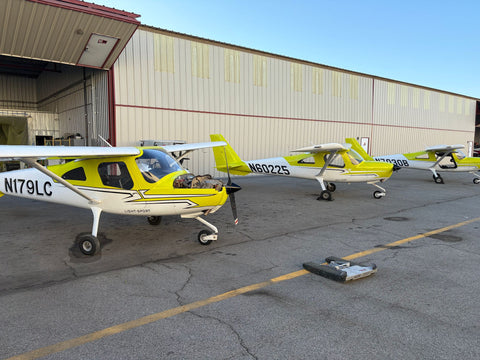
The picker below lays out the airplanes we fly side by side: seats, cruise speed, hourly rate and which flights and courses use each one. The ceilings are in the table underneath, taken from the published figures on each aircraft's page.
| Aircraft | Seats | Cruise | Service Ceiling |
|---|---|---|---|
| Piper Warrior PA-28-161 | 4 | 115 kt | Approx. 11,000–14,000 ft, by model year |
| Cessna 162 Skycatcher | 2 | 112 kt | Published at roughly 14,600–15,500 ft |
| Diamond DA20-C1 | 2 | 138 kt | Approx. 13,100 ft |
| Cirrus SR22 Turbo | 4 | 213 kt | Certificated to 25,000 ft (FL 250) |
| Piper Arrow PA-28R | 4 | 135 kt | Varies by model year; see the POH |
| Piper Seminole (twin) | 4 | 162 kt | 15,000 ft on two engines; 3,800 ft on one |
The Cirrus is the outlier. Its turbocharger holds engine power as the air thins, which is why it is certificated to FL 250, and above 12,500 feet its crew uses supplemental oxygen like any unpressurized airplane's. The Seminole's single-engine figure is the one twin pilots memorize: lose an engine on a hot day and the altitude it can hold may be below the surrounding terrain. Hourly rates for every aircraft are on our Van Nuys rates page, and the whole fleet is on the airplanes you'll fly.
Book A Free Consultation Book A Discovery Flight · $229
How High You Fly Over Los Angeles
Over the city, our altitude is set by two things more than by the airplane. The first is the rule on minimum safe altitudes. Over any congested area, 14 CFR 91.119(b) requires 1,000 feet above the highest obstacle within a horizontal radius of 2,000 feet, and 91.119(a) requires, everywhere, an altitude from which an engine failure would still allow an emergency landing without undue hazard to people on the ground. Over the Hollywood Hills that works out to flying the Sign abeam at around 3,000 feet rather than directly over the letters, as we explain on our Hollywood Sign flight page.
The second is the airspace. Van Nuys is a towered Class D airport sitting just north of the shelves of the Los Angeles Class B, the busy airspace around LAX. Those shelves have floors we stay beneath unless we have a clearance, and they are read off the current chart rather than memorized. The detail is on our Los Angeles airspace guide and, for the classes themselves, airspace classes explained.
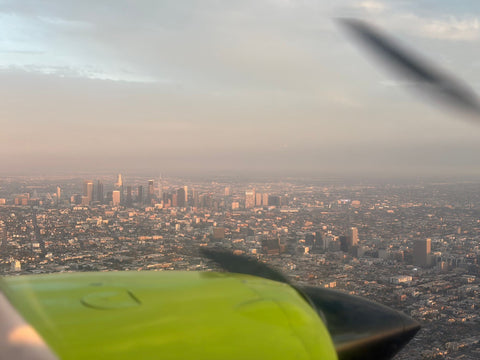
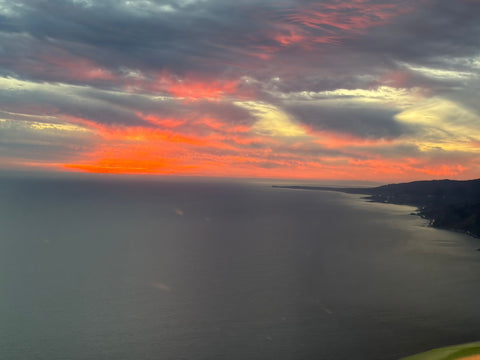
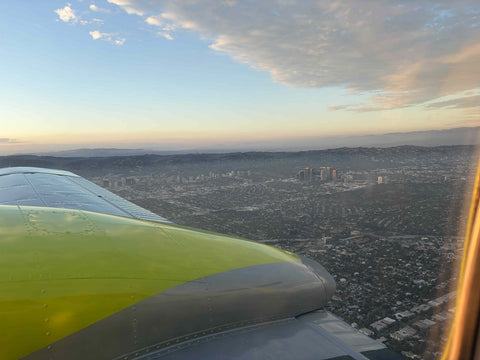
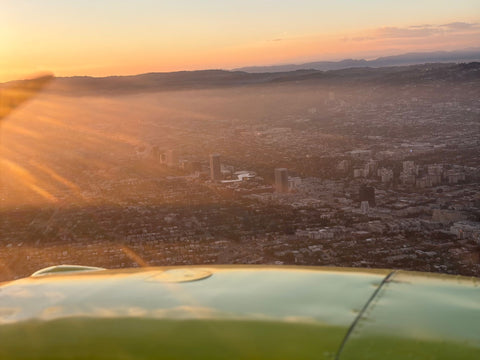
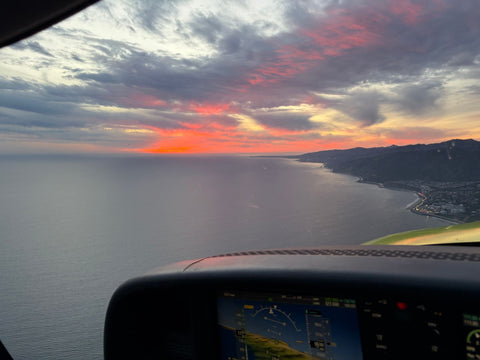
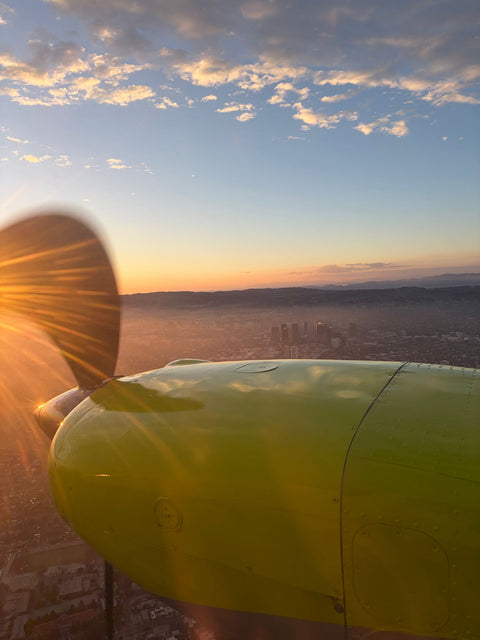
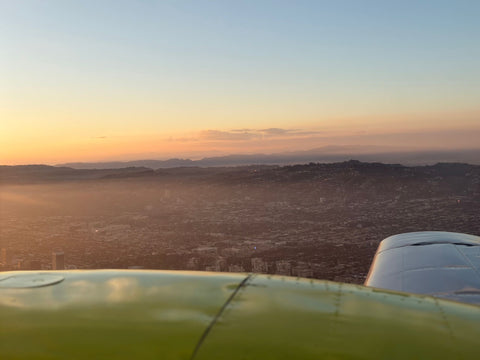
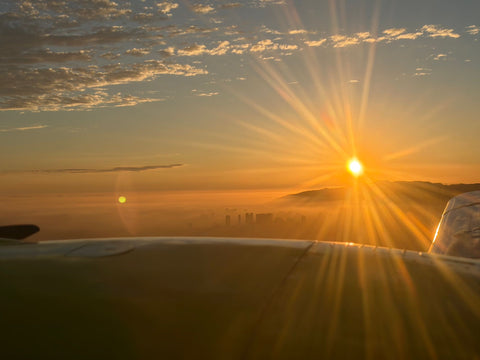
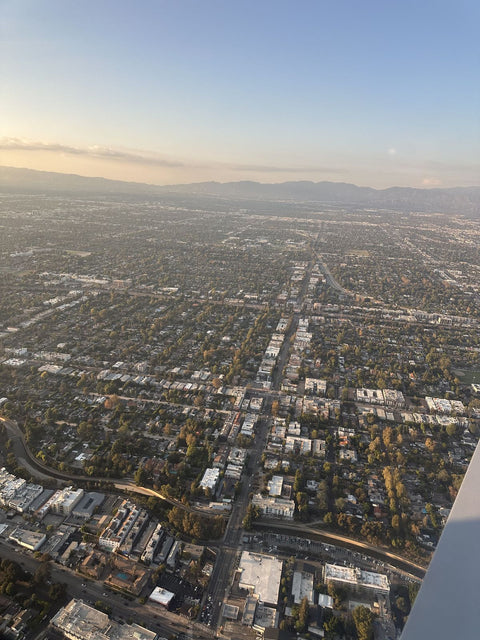
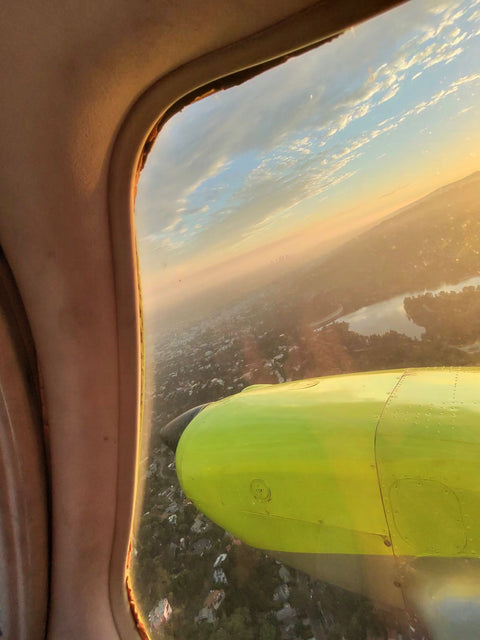
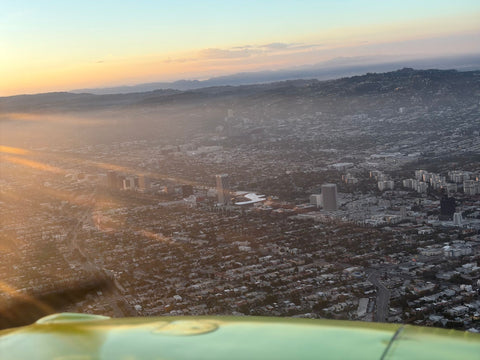
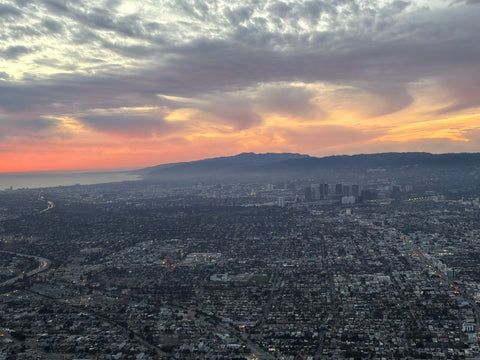
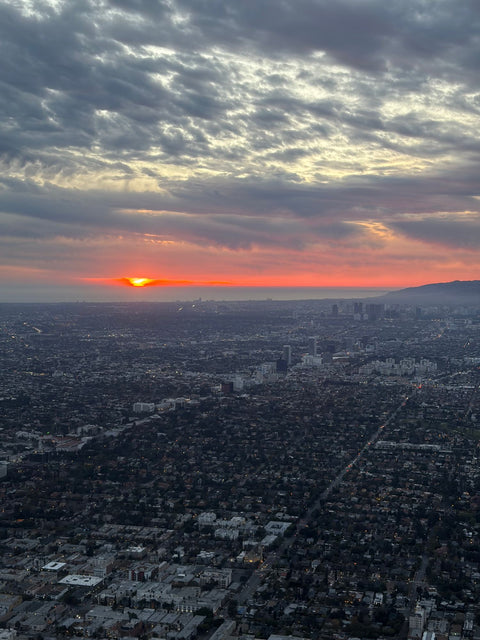
The result is a flight that feels close to the city. Along the Malibu coast we usually fly between about 1,500 and 3,000 feet, low enough to see the surf line and high enough to comply comfortably. It is a very different view from 35,000 feet, where Los Angeles is a pattern under the wing.
See It Yourself
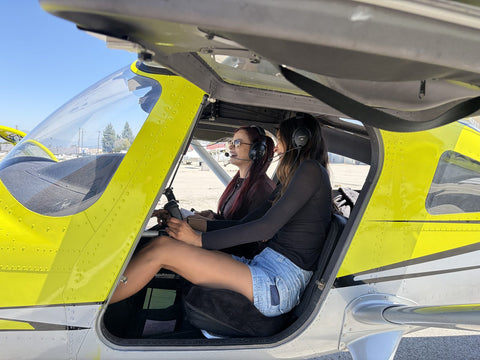
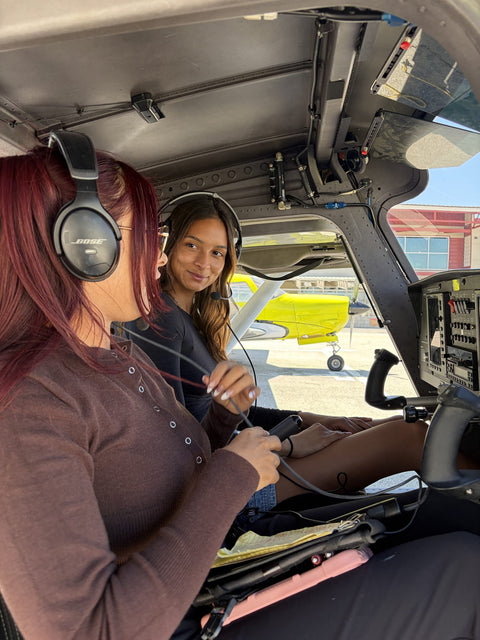
A discovery flight is a real first lesson: you sit in the left seat, an instructor sits beside you, and after the takeoff you fly the airplane over Los Angeles, climbing, turning and holding an altitude yourself. Sixty minutes is $229, ninety is $299 and two hours is $399, departing Van Nuys and landing back at Van Nuys. If you enroll in training within 24 hours, the whole discovery flight is credited toward it. Everything that happens on the day is on discovery flights in Los Angeles.
Book A Discovery Flight · $229 Call Or Text (818) 330-1318
Frequently Asked Questions
What Is The Highest A Plane Has Ever Flown?
For a winged aircraft flown by a pilot, the NASA X-15 rocket plane reached 354,200 feet on 22 August 1963, high enough to count as spaceflight. For comparison, NASA describes the SR-71 reconnaissance jet as designed to cruise at altitudes up to 85,000 feet.
Do Pilots Need Oxygen At High Altitude?
In an unpressurized airplane, yes, above set cabin altitudes. Under 14 CFR 91.211 the required crew must use oxygen for any part of the flight longer than 30 minutes between 12,500 and 14,000 feet, and at all times above 14,000 feet; above 15,000 feet every occupant must be provided with it. Pressurized airplanes have their own rules for high flight levels.
Why Do My Ears Pop On A Flight?
Because the cabin pressure changes as the airplane climbs and descends. An airliner's cabin is held at a pressure altitude of no more than 8,000 feet in normal operation, so on the way up and down your middle ear is equalizing with a cabin that is changing pressure. In a small unpressurized airplane the change is the real outside pressure, but the climbs are shorter. Swallowing or yawning helps.
Do Small Planes Fly Lower In Winter?
Not because of the cold. Cold, dense air actually improves a piston airplane's climb and engine power, which is why our winter mornings are some of the best flying of the year. What winter can change is the weather: cloud with freezing temperatures inside it is off limits to airplanes like ours, so the altitude you choose is the one that keeps you clear of cloud.
How High Can A Cessna Fly?
It depends on the model. Our Cessna 162 Skycatcher has a published service ceiling of roughly 14,600 to 15,500 feet depending on the source, while the larger four-seat trainers most people picture sit in a similar range. None of them is flown that high in normal training, because of the oxygen rules and because there is nothing to practice up there.
Why Don't Airliners Fly Even Higher?
Each type is certified to a maximum altitude set by its wing, engines and pressurized structure. Near that limit the margin between stall speed and maximum speed shrinks, so airlines pick the level that minimizes fuel and time for that day's weight and winds.
How High Will I Be On A Discovery Flight?
Usually between 1,500 and 3,500 feet above sea level, depending on the route. Minimum safe altitudes and the Class B airspace south of the Valley set the band; your instructor picks the altitude within it.
Book A Discovery Flight · $229 Book A Free Consultation
Sources: 14 CFR 71.33 (Class A airspace); 14 CFR Part 91, Appendix G (RVSM airspace, FL 290 to FL 410); FAA Order JO 7110.65, paragraph 4-5-2 (altitude assignment by direction of flight); 14 CFR 91.119 (minimum safe altitudes); 14 CFR 91.159 and 91.179 (VFR and IFR cruising altitudes); 14 CFR 91.211 (supplemental oxygen); 14 CFR 25.841 (pressurized cabins); FAA Pilot's Handbook of Aeronautical Knowledge (FAA-H-8083-25C), Chapter 11 (service and absolute ceiling); NASA history pages for the X-15 and SR-71.