







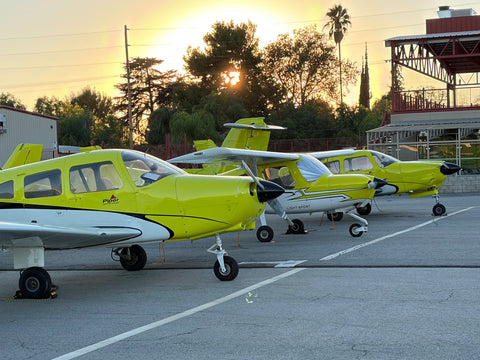
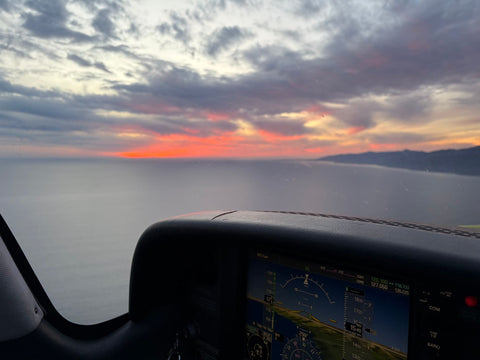










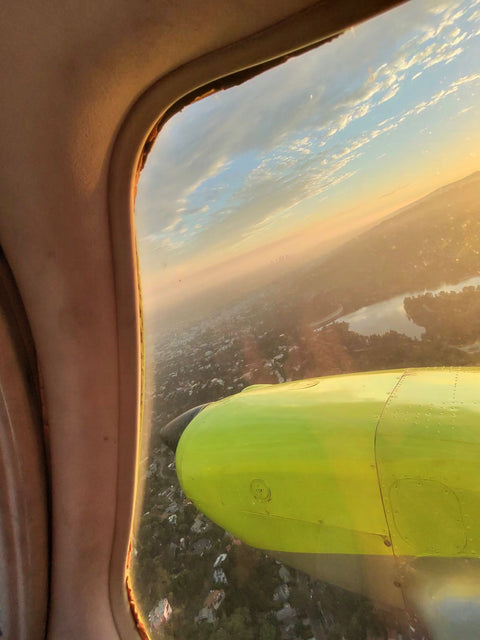

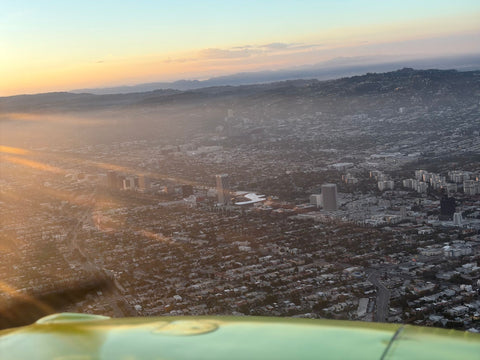
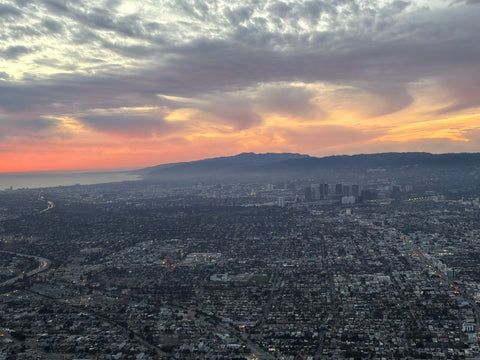
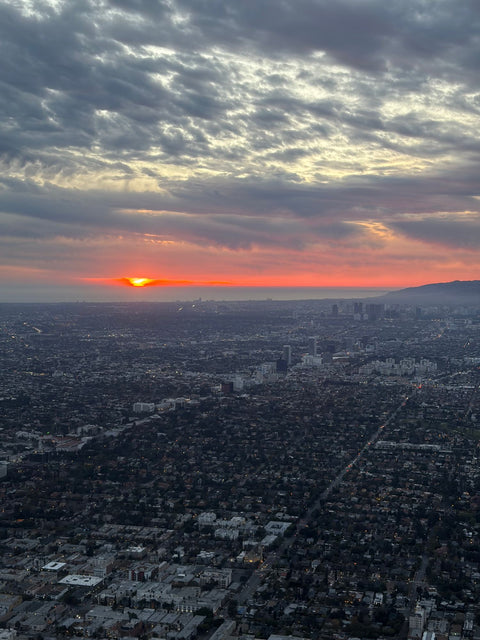

Van Nuys Airport has a free public observation area on the east side of the field where you can sit at a picnic bench, listen to the control tower and watch business jets, helicopters and training airplanes use the two parallel runways. We fly from the other side of the same airport every day. This guide covers where the observation area is and when it is open, what you are looking at, how to tell whether it is a good day to watch, and how to go from watching the airplanes to flying one.
Quick answer: The Van Nuys Airport public observation area is off Woodley Avenue at the end of Waterman Drive, on the east side of the airfield. The airport lists it as open daily from 8 a.m. to sunset, with historical exhibits, picnic benches, a children's activity area and a live broadcast of the control tower. Entry is free. If watching makes you want to fly, a 60-minute discovery flight from the same runways is $229.
Watch Then Fly: Book A Discovery Flight · $229 Book A Free Consultation Call Or Text (818) 330-1318
Where The Observation Area Is
According to Van Nuys Airport, the public observation area is located off Woodley Avenue at the end of Waterman Drive, adjacent to the east side of the airfield. The airport lists it as open daily from 8 a.m. to sunset and describes permanent historical and informational exhibits, picnic benches, a children's activity area, and a continuous live broadcast of the air traffic controllers in the tower. The airport's pages do not describe parking arrangements, so check current access when you plan your visit.
Two practical notes. First, the observation area and our school are on opposite sides of the airport: we are at 7900 Balboa Blvd, Main Terminal Unit 108, on the western side, so allow a short drive around the field if you plan to visit both. Second, the airport also runs free guided bus tours for school, civic and community groups on weekdays and select Saturdays; groups arrange those with the airport directly.
| Detail | What The Airport Publishes |
|---|---|
| Location | Off Woodley Avenue at the end of Waterman Drive, east side of the airfield |
| Hours | Daily, 8 a.m. to sunset |
| Cost | Free, public area |
| Facilities | Historical and informational exhibits, picnic benches, children's activity area |
| Listening | Live broadcast of the Van Nuys control tower |
| Group tours | Free guided bus tours for school, civic and community groups, weekdays and select Saturdays |
What You Will See
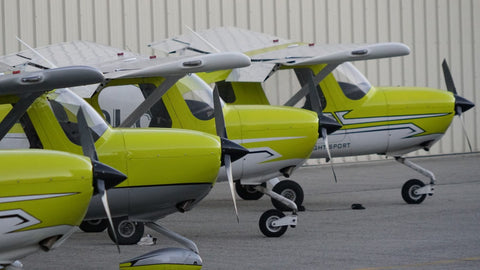
Van Nuys opened in 1928 on 80 acres and now covers about 730 acres, with two parallel runways running roughly north-south. The long one, 16R/34L, is about 8,000 feet and has a full instrument landing system; the airport's noise rules make 16R the preferred runway for all jets. The short one, 16L/34R, is about 4,000 feet and is the airport's training runway, which is where most of the small propeller airplanes, including ours, take off and land.
Runway numbers are the runway's magnetic direction divided by ten, so Runway 16 points roughly south-southeast (160 degrees) and Runway 34 the opposite way (340 degrees). Airplanes take off and land into the wind because it shortens the ground roll and makes the landing slower and more controllable. When the wind favors the south, traffic uses Runway 16 and arrives from the north; when it switches, everything reverses. Listening to the tower broadcast for a few minutes tells you which way the airport is flowing.
What you will hear on that broadcast is the Van Nuys tower, which the FAA's Chart Supplement lists on two frequencies, 119.3 and 120.2, split by sector and runway. The airport lists the tower as open from 6 a.m. to 10:45 p.m. daily. Expect a steady mix of business jets on the long runway, training airplanes flying circuits on the short one, and helicopters coming and going. Touch-and-go practice is restricted in the evening and overnight under the airport's noise rules, so daytime is when you will see training circuits.

Is Today A Good Day To Watch?
Almost any day is a good day to watch. Low cloud means fewer training circuits, and the arrivals you do see are more likely to be flying the instrument approach to the long runway. Whether light airplanes are flying depends on three numbers in the airport's weather report.
If the live Van Nuys weather panel does not load, our flyable days guide explains the seasonal pattern and our weather and cancellation policy explains what happens to a booked flight.
Ceiling is the height of the lowest broken or overcast cloud layer. Under 14 CFR 91.155, a pilot may not fly VFR beneath the ceiling in the airport's surface area when it is below 1,000 feet, except under a special VFR clearance. Visibility matters next: taking off, landing or entering the pattern under VFR needs at least 3 statute miles. Wind sets the runway and, for small airplanes, how gusty and turbulent the flying will be. On marine-layer mornings in late spring and early summer, the ceiling often starts low and lifts through the late morning, which is why our flyable days guide suggests a later slot at that time of year.
Bringing Kids
The airport built part of the observation area for children, with an activity area and exhibits aimed at younger visitors, and picnic benches for a snack between departures. Jets are loud on takeoff, so ear protection helps smaller children, and summer afternoons in the Valley are hot, so bring water and sun protection.
For children who want more than watching, there is no minimum age to fly a discovery flight; anyone under 18 needs a parent or guardian to sign. Our guide to flight lessons for kids explains what a child can do at each age, and teenagers who want structured training have the teen flight training program.
From Watching To Flying
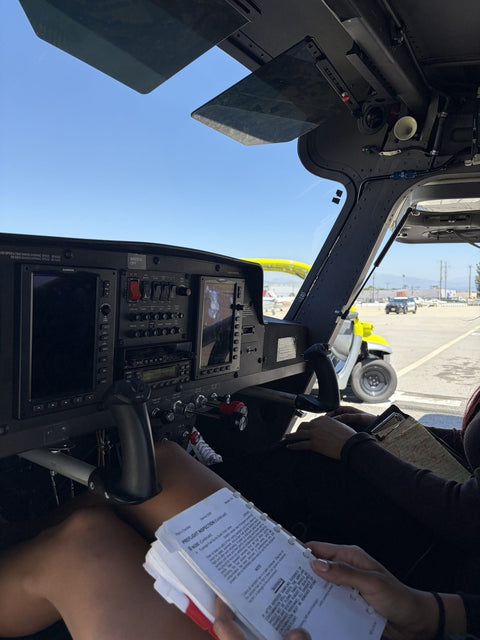
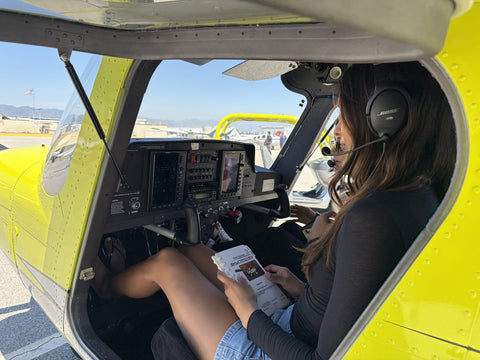
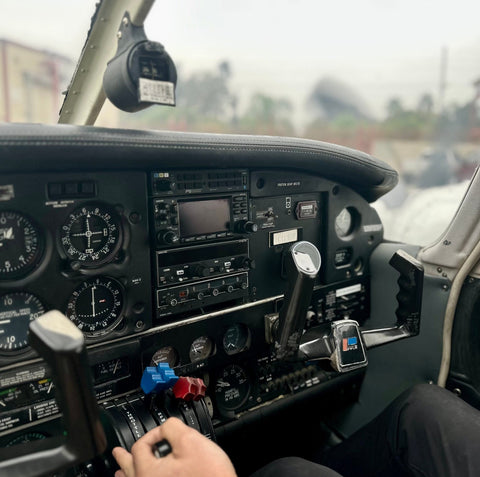
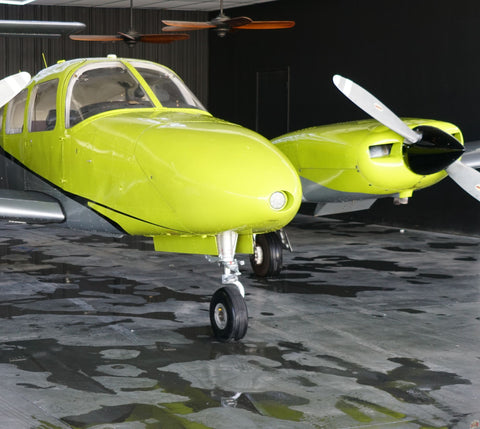
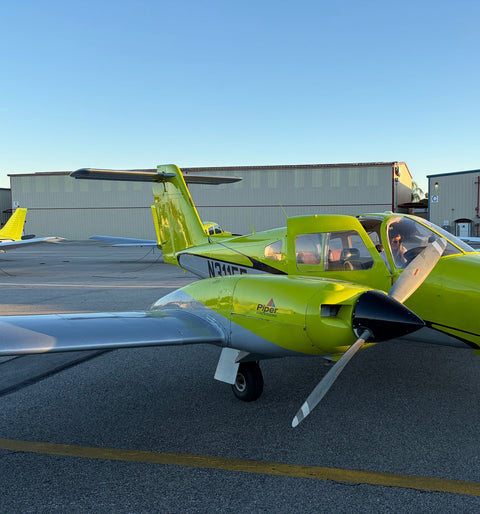
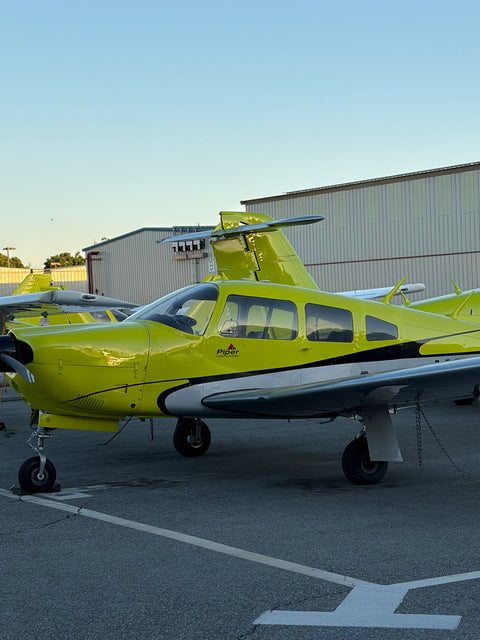
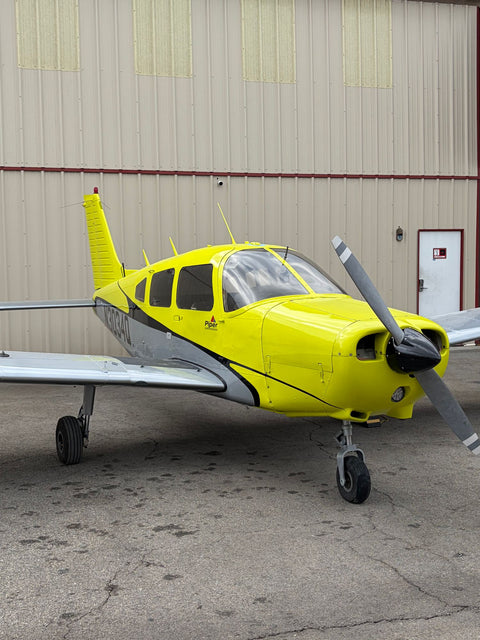
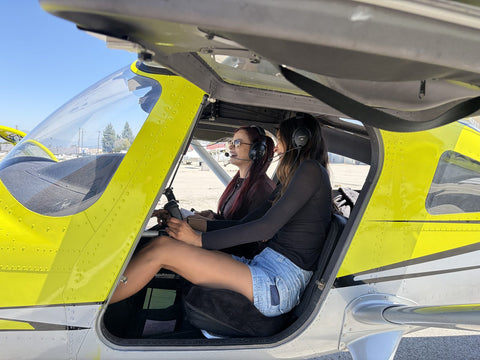
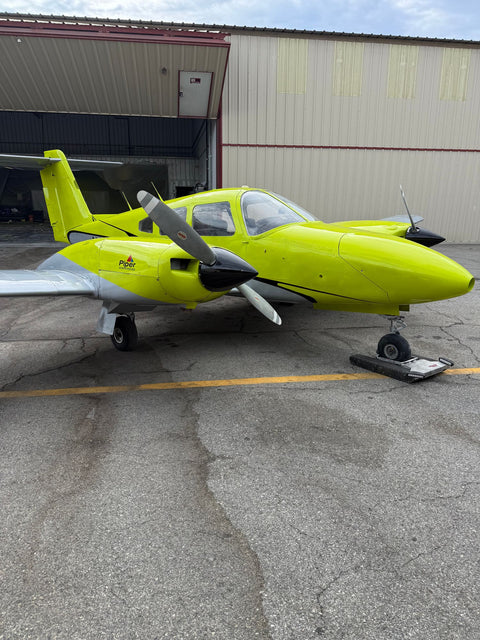
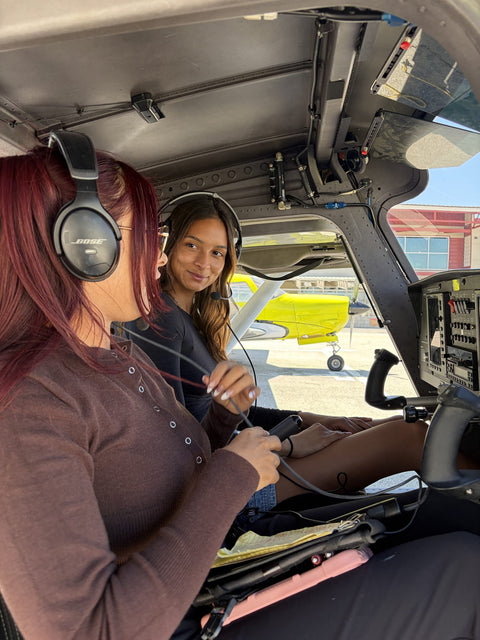
A discovery flight takes off from the same runways you watched, in a Piper Warrior with an FAA-certificated instructor in the right seat and you in the left. It is a real first lesson, not a ride. This is how the hour runs.
-
Arrive On The West Side
Come to 7900 Balboa Blvd, Main Terminal Unit 108, Van Nuys, about fifteen minutes before your slot. Bring a government-issued photo ID. There is no medical certificate to bring, because your instructor is the pilot in command.
-
Brief On The Ground
Your instructor walks you through the controls, what the airplane will feel like and what the tower will say, so the flying makes sense before you are in the air.
-
Walk Around The Airplane
You inspect the Warrior together: fuel, oil, control surfaces, tires. It is the same preflight every pilot does before every flight.
-
Taxi And Take Off
You steer on the ground; your instructor talks to the tower and flies the takeoff with your hands on the controls, from one of the runways you watched from across the field.
-
Fly The Airplane Yourself
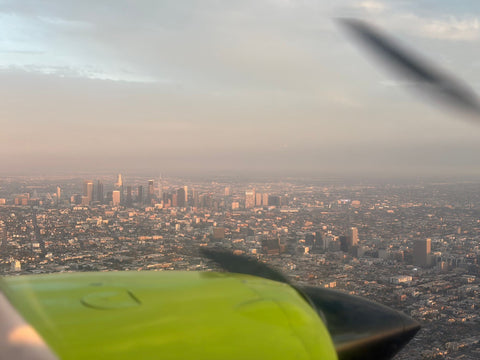
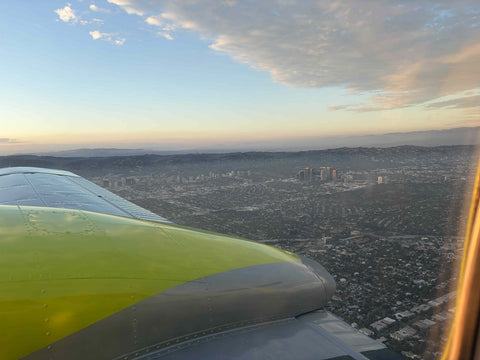
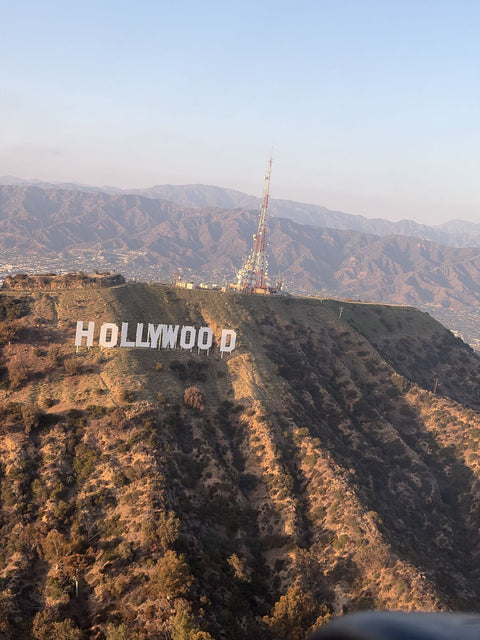
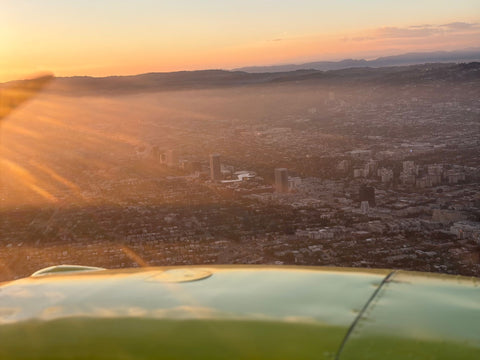
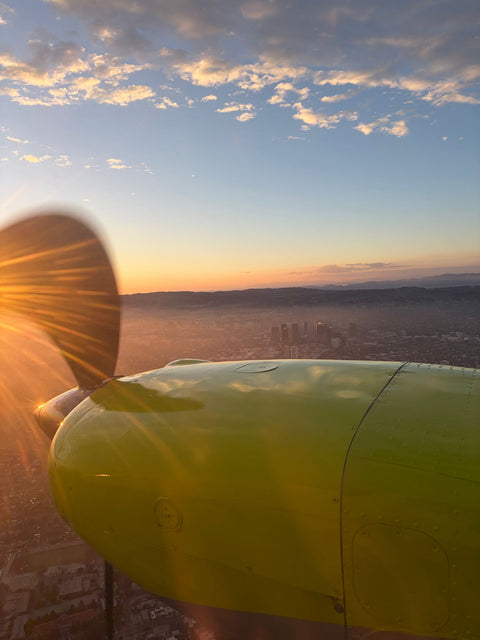
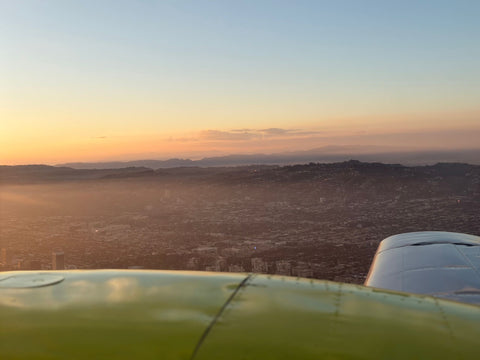
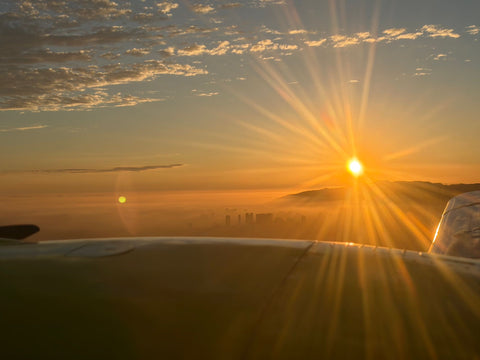
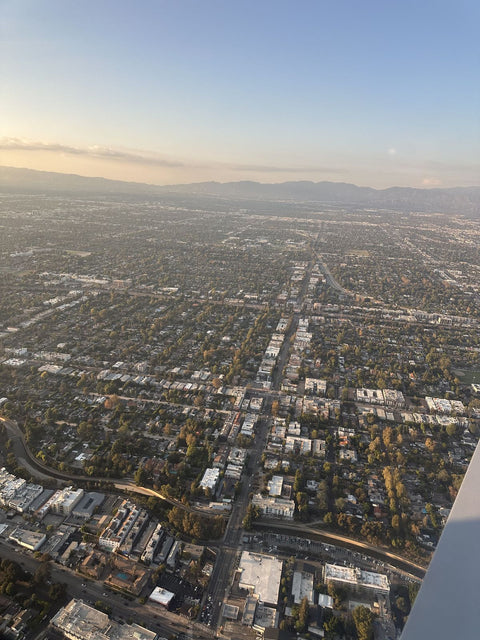
Clear of the airport, the controls are yours. The classic route passes over or beside the Sepulveda Basin, Mulholland, the Hollywood Sign, Griffith Observatory and the downtown skyline.
-
Land And Debrief
Your instructor flies the landing back at Van Nuys, the only landing of the flight, and you talk through what you did well. If you enroll in training within 24 hours, the full price of the discovery flight is credited toward it.
The 60-minute flight is $229, with 90- and 120-minute versions and options for two people on our discovery flights page. The single-person flight has a limit of 180 pounds per person. For the minute-by-minute version, read what to expect on your discovery flight; if you would rather start on the ground, the full-motion simulator is never canceled by weather.
Book A Discovery Flight · $229 Call Or Text (818) 330-1318
Frequently Asked Questions
Can I Take Photographs At The Observation Area?
It is a public viewing area built for watching airplanes, and a telephoto lens helps because you are beside the airfield rather than on it. Stay in the public area and follow any posted signs.
Do I Need A Radio To Hear The Tower?
No. The airport provides a live broadcast of the tower at the observation area. If you bring a handheld aviation receiver, the FAA Chart Supplement lists Van Nuys Tower on 119.3 and 120.2 and the ATIS weather broadcast on 127.55.
How Loud Is It?
Jet departures are loud, especially from the long runway. The airport restricts some late-night operations and asks operators to avoid flights between 11 p.m. and 7 a.m. where possible; our page on noise abatement at Van Nuys explains the rules and how we fly around them.
Is There Food?
The airport lists picnic benches and does not mention food service, so bring your own snacks and water.
Can I Visit Your Hangar Afterward?
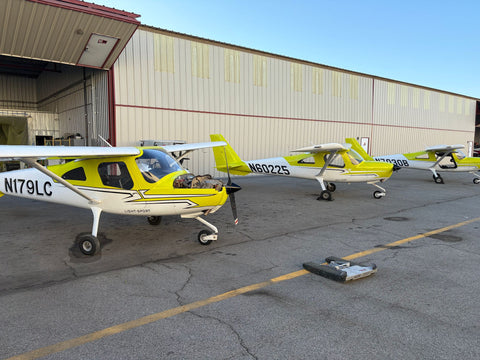
Yes, with a call first. We are on the west side at 7900 Balboa Blvd, Main Terminal Unit 108, open 9 a.m. to 9 p.m. seven days a week. Call (818) 330-1318 so an instructor is free to show you the airplanes and the simulator; a free consultation includes a look around.
Is The Observation Area Open After Dark?
No. The airport lists it as open from 8 a.m. to sunset. If you want to see Los Angeles lit up at night, that is a night discovery flight rather than a visit.
Watch Then Fly: Book A Discovery Flight · $229 Book A Free Consultation Call Or Text (818) 330-1318
Related Reading
- Van Nuys Airport: a pilot's guide: the airspace, the runways and getting to the field.
- Los Angeles airspace guide: how the Class B sits over the Valley.
- Our facilities: the ramp, the hangar and the simulator.
Sources: Van Nuys Airport community relations, airport features and noise restrictions pages (iflyvny.com); FAA Chart Supplement, Southwest U.S., Van Nuys entry; 14 CFR 91.155.